
 English
 中文简体
中文简体 русский
Product Consultation
Your email address will not be published. Required fields are marked *


Content
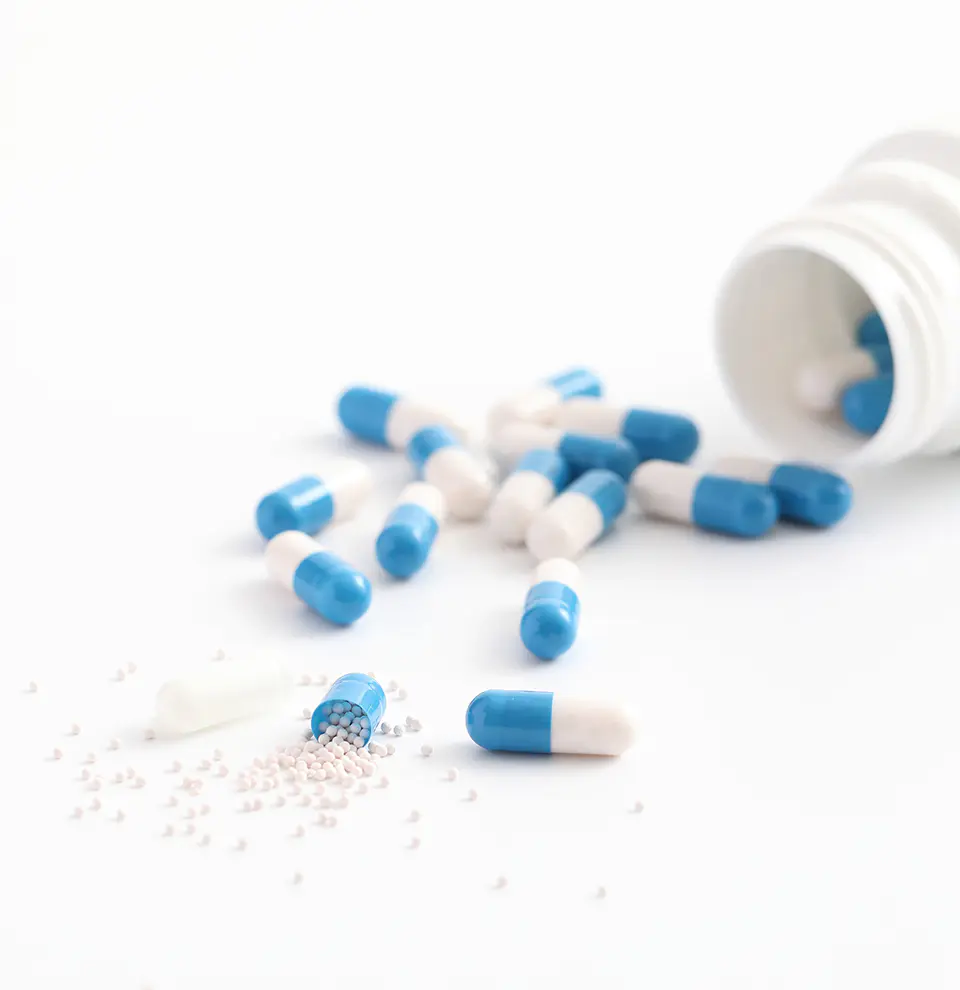
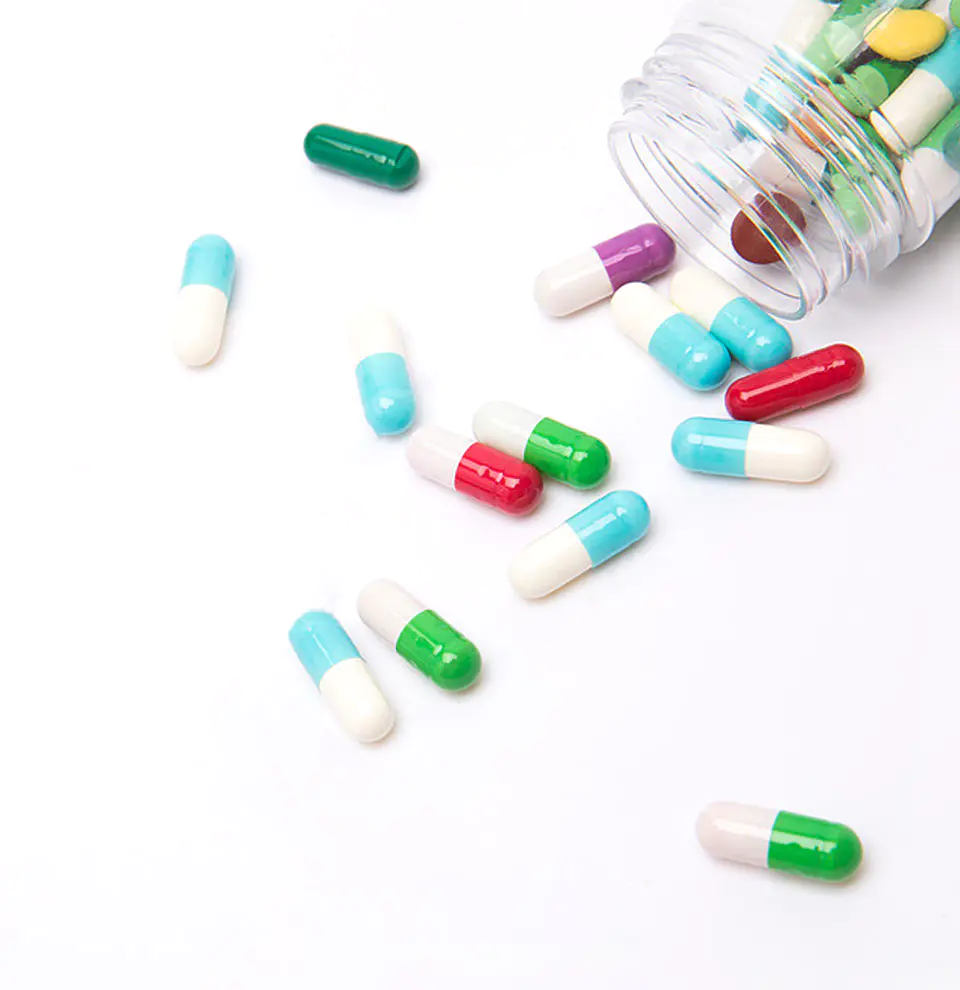
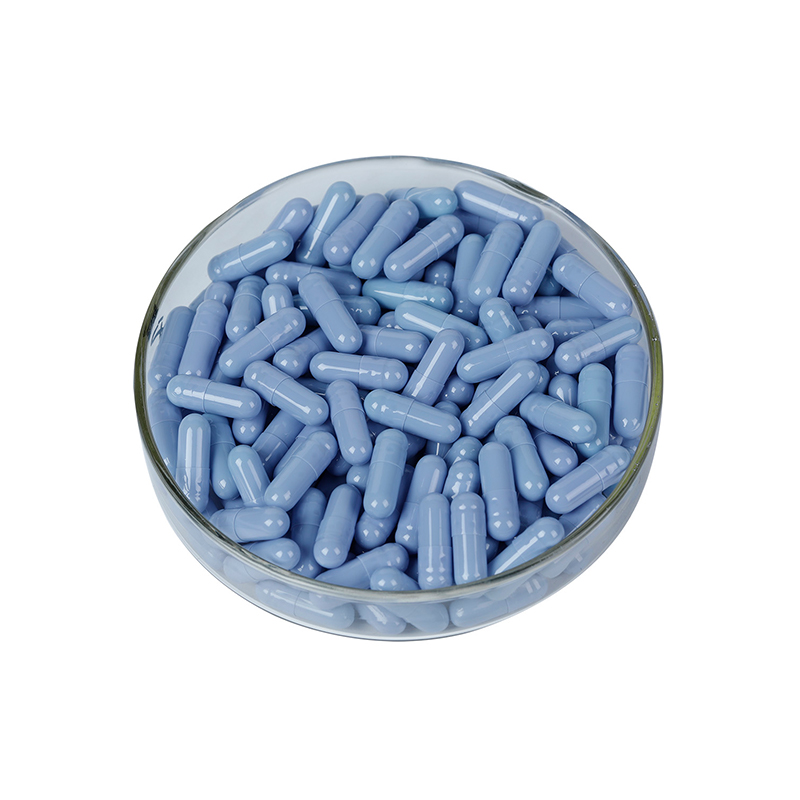
The short answer is no — conventional pharmaceutical capsules are not made of plastic. The capsule shells you swallow with medication or nutritional supplements are manufactured from gelatin (an animal-derived protein) or plant-based cellulose derivatives such as hydroxypropyl methylcellulose (HPMC). The confusion is understandable: the word “capsule” also applies to single-serving coffee pods that are genuinely fabricated from petroleum-based plastic. Getting the material facts right matters for consumers, supplement formulators, and packaging buyers alike.
Capsule shells are precision-engineered delivery systems. They must disintegrate at the correct point in the digestive tract, protect moisture-sensitive ingredients, run smoothly through automated filling equipment, and pass strict dissolution, disintegration, moisture, and microbial-limit tests. The shell itself is typically 90–95% polymer by weight, with the remaining fraction made up of water, plasticizers, colorants, and processing aids.
Two shell families dominate the global market:
Gelatin has been used for capsule shells since the 1830s and accounts for roughly 75% of global hard-capsule production, according to industry estimates cited in pharmaceutical trade literature. HPMC capsules, first commercialized on a large scale in the late 1990s, have grown rapidly because of the global shift toward vegetarian, vegan, and halal-friendly dosage forms. Additional shell polymers — including pullulan (a fermented tapioca starch) and modified starch — serve smaller niche segments.
Gelatin is a water-soluble protein obtained by the partial hydrolysis of collagen, which is found in animal connective tissue, skin, and bones. In commercial capsule production, the primary sources are bovine hides, porcine skins, and, to a lesser extent, fish skins. Type A gelatin comes from acid-processed porcine tissue; Type B comes from alkali-processed bovine tissue. Both yield shells with excellent mouthfeel, rapid dissolution, and predictable performance on high-speed filling lines.
A standard hard-gelatin shell contains 13–15% moisture, which gives it elasticity and makes it compatible with the majority of dry powder formulations. When swallowed, the shell absorbs gastric fluid, begins hydrating within two to three minutes, and typically disintegrates completely within 10 to 15 minutes at normal body temperature. The production process — dipping stainless steel pins into a heated gelatin bath, drying, stripping, trimming, and joining — is described in detail in our article on how gelatin capsules are manufactured.
Gelatin shells remain the preferred choice when the fill material is chemically neutral, moisture-tolerant, and not prone to cross-linking with aldehyde compounds. They are also generally the most economical option when purchasing in bulk. For a closer look at production scale and shell options, our  Gelatin Capsules: Classic, Affordable, and Widely CompatibleGelatin capsules are a cost-effective choice for neutral, moisture-tolerant fills. They dissolve quickly and are available in multiple sizes, suitable for most users except vegans.View Product → range is engineered to pharmaceutical and nutraceutical quality standards with eight available sizes.
Hydroxypropyl methylcellulose (HPMC) is a semisynthetic polymer derived from plant cellulose, typically sourced from wood pulp or cotton linters. Chemically, cellulose is treated with alkali and etherified to produce a water-soluble polymer that forms strong, stable films. Unlike gelatin, HPMC contains no animal-derived material whatsoever, making it suitable for vegetarians, vegans, and consumers who follow halal or kosher dietary rules.
HPMC shells hold only 4–7% moisture, roughly half the water content of gelatin shells. This lower moisture ceiling is a decisive advantage when filling hygroscopic ingredients, herbal extracts, probiotic cultures, and moisture-sensitive vitamins such as ascorbic acid. HPMC also avoids the cross-linking problem sometimes seen with gelatin: under hot, humid conditions, gelatin can form intramolecular bonds that slow dissolution, a failure mode that regulators flag during stability testing. HPMC shells dissolve by hydration rather than by thermal melting, which gives them consistent disintegration across a broader temperature range.
Whether HPMC capsules fit a specific dietary position is explored in our guide on HPMC capsules for vegetarian and vegan consumers. In practical terms, HPMC shells are slightly harder than gelatin shells, which reduces deformation during storage and shipping. Many brands also prefer the crystal-clear appearance of transparent HPMC shells to showcase colorful powder blends. Our  HPMC Capsules: Plant-Based, Moisture-Resistant, and TransparentMade from plant cellulose, HPMC capsules contain no animal ingredients. They resist moisture and heat better than gelatin, and their clear appearance is ideal for showcasing colorful blends.View Product → line is manufactured in the same 20,000-square-meter facility with automated pin-dipping lines and in-house chemical analysis.
The source of the myth is a blend of real chemistry and surface appearance. A plastic, in everyday usage, is a synthetic or semisynthetic polymer that can be molded into shapes. Capsule shells are also polymers — gelatin is a protein polymer, and HPMC is a carbohydrate polymer — but polymer identity does not equal plastic toxicity or environmental persistence.
Several sensory cues feed the misconception. A hard gelatin capsule is smooth, glossy, and slightly translucent; when dry to the touch, it has a flex and snap very similar to thin polypropylene film. Transparent HPMC capsules look almost indistinguishable from the plastic blister packs that hold them. If a consumer places a dry capsule on a table and taps it, the sound is plastic-like. Moreover, when capsules are dropped into cold water, they soften slowly rather than dissolving instantly, which reinforces the idea that “nothing is happening” — exactly what people observe with plastic.
The chemical distinction matters. Gelatin molecules are composed of amino acids that enzymes in the stomach recognize and digest. HPMC molecules are hydrophilic polysaccharides that absorb water, swell, and disentangle, allowing the fill to be released in the small intestine. Neither shell is a petrochemical product, and neither persists in the body. The terms “polymer” and “plastic” overlap only at a very abstract level; equating them would mean saying a cotton shirt and a PVC pipe are the same material because both are polymers.
Softgels deserve a separate discussion because their shells are materially different from hard capsules. A softgel shell contains gelatin, water, and one or more plasticizers — most commonly glycerol or sorbitol — that keep the shell flexible. The addition of plasticizer is what allows softgels to be manufactured as one-piece, sealed, liquid-filled capsules. Without this ingredient, the shell would crack during sealing.
Public concern about “plastic” in softgels flared after investigative reports in 2024 and 2025 detected phthalates in some softgel dietary supplements sold in North America. Phthalates are a class of chemicals used as plasticizers in PVC and other plastics; some phthalates are suspected endocrine disruptors. The health and environment publication Environmental Health News reviewed third-party laboratory data in 2025 showing that certain softgel products contained measurable levels of diethylhexyl phthalate (DEHP), likely introduced during manufacturing or migrating from packaging films. It is important to note that this finding applies to a subset of softgel products, not to hard-shell gelatin or HPMC capsules, and that regulatory thresholds exist in the United States and Europe for permitted phthalate exposure.
For manufacturers, the practical implication is to request a full material declaration for softgel shells, including plasticizer type and purity. Food-grade glycerol and sorbitol harmlessly digest in the body; they are not classified as plastics. The shell of a high-quality softgel is digestible and breaks down in the gastrointestinal tract after the fill is released. Consumers who want to avoid plasticizer exposure entirely can choose hard-shell gelatin or HPMC capsules, which do not contain plasticizers.
A large share of the confusion behind “are capsules made of plastic” comes from the coffee aisle. Most single-serving coffee pods are indeed made of genuine plastic, most commonly polypropylene (resin code #5), a thermoplastic polymer widely used in food packaging. Some premium coffee pods use aluminum, while a newer generation of home-compostable pods blends biodegradable polyesters with plant starches. The word “capsule” in the coffee industry simply describes the external geometry of a single-dose container — it says nothing about the material.
Medicine capsules are an entirely different product category with stricter regulatory oversight. In the pharmaceutical and nutraceutical industries, capsule shells must comply with pharmacopeial standards — the United States Pharmacopeia (USP), European Pharmacopoeia (Ph. Eur.), and Japanese Pharmacopoeia (JP) all specify allowable materials, moisture limits, disintegration time, and heavy-metal thresholds. Gelatin and HPMC shells are edible biopolymers broken down by normal digestive processes; polypropylene coffee pods are engineered for hot-water extraction and are not food in any chemical sense. When comparing the two, it is more accurate to say that coffee pods are plastic while medicine capsule shells are not.
The safety record of hard-shell gelatin and HPMC capsules is strong and well documented. The U.S. National Institutes of Health, through its PubMed Central database, has published comparative reviews of gelatin versus non-gelatin capsule materials, concluding that both categories are acceptable for pharmaceutical use when manufactured under current good manufacturing practices. The review noted that gelatin shells carry a slight theoretical risk of transmitting bovine spongiform encephalopathy if sourced from unapproved cattle material; consequently, pharmaceutical gelatin is sourced exclusively from certified herds and is subject to stringent processing controls.
HPMC shells were introduced partly to eliminate this concern entirely. They are derived from plant cellulose, contain no animal protein, and exhibit very low allergenic potential. The Wikipedia entry on pharmaceutical capsules, which aggregates data from USP and FDA guidance, states that vegetarian capsules were introduced in 1989 and are now widely accepted as equivalent alternatives to gelatin in terms of drug release. Because HPMC shells have lower moisture content, they also reduce the risk of microbial proliferation during storage.
At the manufacturing level, our Advanced Capsule Chemistry Laboratory runs dissolution, heavy-metal, residual-solvent, and microbial-limit assays on every batch before release. A description of the analytical scope is available on our capsule chemistry laboratory page. The practical takeaway for consumers: when capsules come from a regulated manufacturer, the shell material is food-grade and designed to be digested.
The table below summarizes the differences most relevant to consumers and buyers evaluating the two main shell families.
| Property | Gelatin Capsule | HPMC Capsule |
|---|---|---|
| Raw material | Bovine or porcine collagen | Plant cellulose (wood/cotton) |
| Moisture content | 13–15% | 4–7% |
| Dissolution mechanism | Thermal melting + enzyme digestion at 37°C | Hydration and gel-layer erosion |
| Suitable for vegetarians | No | Yes |
| Halal-certified options | Available with certified sourcing | Yes |
| Risk of protein allergy | Low but possible in sensitive individuals | Extremely low |
| Relative cost per thousand | Lower | Higher |
If you hold a capsule and wonder whether it is gelatin or plant-based, several reliable indicators do not require a laboratory.
Consumers should never perform burn tests on capsule shells at home. While gelatin chars with a protein-like odor and HPMC burns with a paper-like smell, open-flame testing poses a fire hazard and is unnecessary for routine identification.
For supplement brands and pharmaceutical formulators, the shell material decision affects not just label claims but also stability, production yield, and customer trust. Consider four factors in order of importance.
For brands that need a shell compatible with both animal-free positioning and clean-label aesthetics, HPMC is the strongest candidate. For value-driven lines targeting mainstream supplement users, gelatin remains perfectly safe and effective. Buyers with specific religious-certification needs can choose a dedicated  Halal-Certified Capsules for Religious ComplianceThese capsules meet Halal dietary standards, available in gelatin or plant-based options. They include Halal certification and cater to Muslim consumers or those with religious dietary requirements.View Product → manufactured with validated sourcing and traceability. A detailed shell specification review with the supplier is always recommended before scale-up.
True allergies to gelatin are rare but documented, typically in people with prior sensitization to gelatin in vaccines. HPMC shells are produced from plant cellulose and show an extremely low incidence of allergic response. If you have a known collagen or meat protein sensitivity, a plant-based shell is the safer choice.
Standard hard-shell gelatin and HPMC capsules are formulated to disintegrate in the stomach, typically within 15 to 30 minutes of swallowing. Enteric-coated capsules, which resist gastric fluid and dissolve in the higher pH of the small intestine, are a separate product with an additional coating layer.
Store both gelatin and HPMC shells in their original sealed packaging, at a temperature below 25°C and a relative humidity between 35% and 55%. Gelatin shells become brittle below 35% RH and sticky above 60% RH. HPMC shells tolerate a wider humidity range but should still be kept away from direct sunlight and strong odors.
No. Transparent capsules are most commonly HPMC or gelatin with no added opacifier. Their crystal-clear appearance comes from the natural transparency of the polymer film, not from plastic content. Transparent HPMC shells are widely used in the supplement industry because they show the color and quality of the encapsulated powder.
Yes. HPMC, pullulan, and starch-based capsules are designed as inert carriers and have no known toxicity associated with chronic ingestion at typical supplement doses. They do not contain heavy metals and do not introduce animal proteins into the body, which is an advantage for individuals following long-term vegetarian dietary patterns.
Check the product label first; the supplement facts panel or certificate of analysis will usually list “gelatin,” “hydroxypropyl methylcellulose,” or “pullulan.” If the information is missing, contact the brand’s customer service and ask for the specific shell material and moisture specification. Responsible suppliers provide this data without hesitation.
Your email address will not be published. Required fields are marked *
If you would like to learn more about our products, please feel free to contact us and we will do our to assist you.
Copyright © Shaoxing Zhongya Capsule Co., Ltd. High Quality Empty Capsule Manufacturers Wholesale Transparent Empty Capsule Factory
All Rights Reserved.

