
 English
 中文简体
中文简体 русский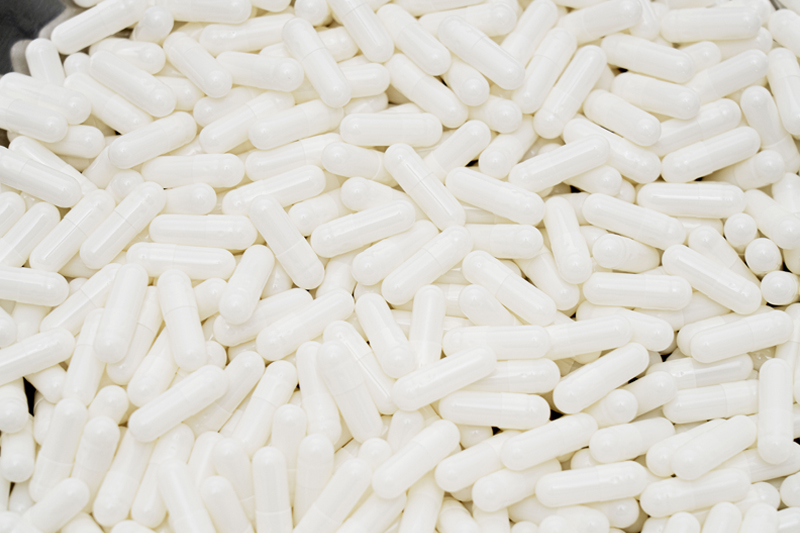
Product Consultation
Your email address will not be published. Required fields are marked *

Content
Excipients are inactive substances intentionally added to a medicine or supplement formulation alongside the active ingredient. They carry, bind, protect, and control how the active compound is released in the body. In one direct sentence: excipients are the functional infrastructure of a dosage form, performing everything from holding a tablet together to determining whether a drug dissolves in ten minutes or six hours.
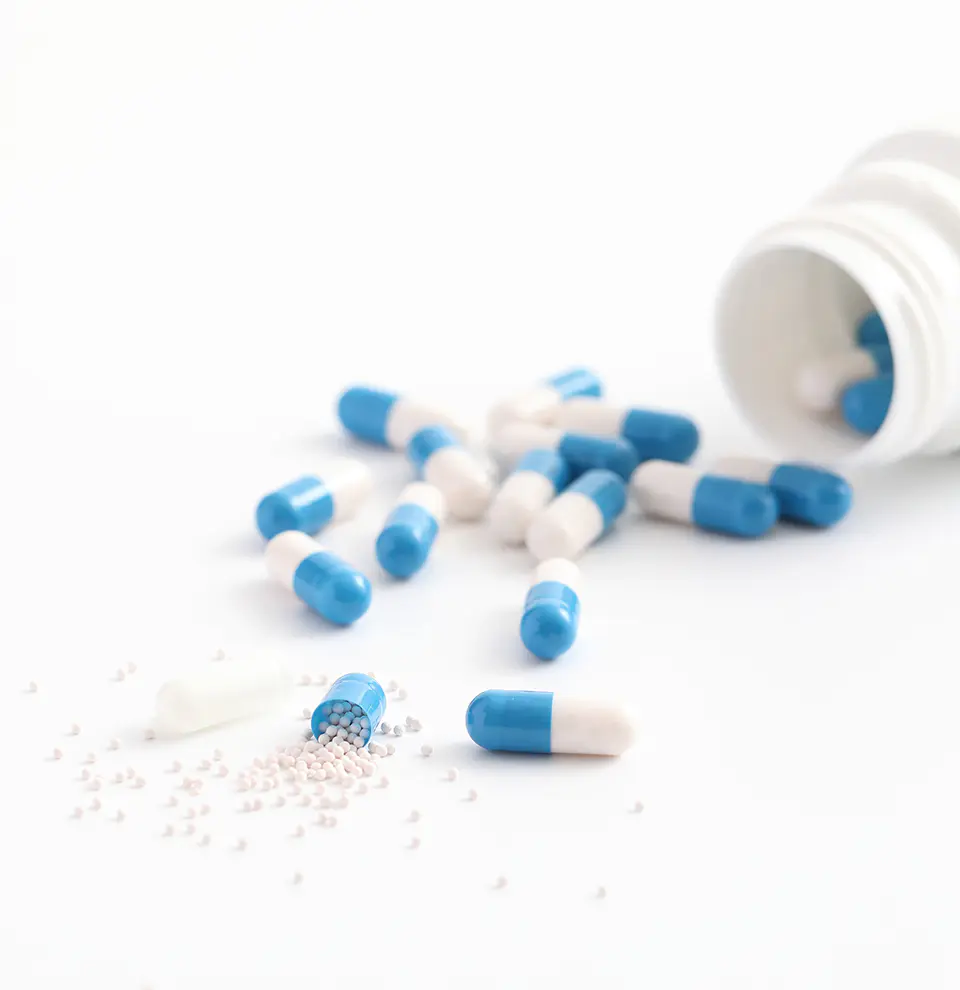
Consider a 500 mg tablet where the active pharmaceutical ingredient (API) is only 25 mg. The remaining 475 mg consists of fillers, binders, lubricants, and coatings. Every one of those components is an excipient. The same principle applies to capsules: the empty shell itself is an excipient that decides when and where the active ingredient is released in the digestive tract.
For procurement teams and formulators, recognizing the full scope of what counts as an excipient—including the capsule shell—is the first step in getting a robust, manufacturable, and patient-friendly product.
Any substance other than the active pharmaceutical ingredient (API) that is intentionally included in a finished dosage form is an excipient. This definition is used in major pharmacopoeia monographs and pharmaceutical formulation reference works. Excipients are present because the API in its raw form is usually incapable of becoming a usable medicine without them.
The word "inactive" can be misleading in practice. Although excipients do not produce the therapeutic effect themselves, many are highly active in terms of how they influence the finished product. Published pharmaceutical formulation data show that excipients commonly account for 60% to 95% of the total weight of a solid dosage form. Their roles include:
A single formulation will normally contain multiple excipients working together. The precise ratio of each component is established during development to hit the target dissolution profile, stability window, and manufacturing reproducibility standards.
Choosing an excipient is never about one function alone. A well-designed tablet or capsule requires excipients to perform five distinct jobs simultaneously. Understanding these functions helps formulators, procurement teams, and quality leaders establish meaningful specifications.
A documented manufacturing observation: over-lubrication with magnesium stearate for longer than three minutes can reduce drug dissolution by up to 10-20% in certain formulations. This is why excipient quantities and mixing times are treated as quality-critical process parameters, not afterthoughts.
Excipients are grouped by the function they serve in the dosage form. The table below summarizes the most important categories, typical examples, and concentration ranges encountered in oral solid dosage formulations.
| Category | Common Examples | Primary Function | Typical Range |
|---|---|---|---|
| Fillers / Diluents | Microcrystalline cellulose, lactose monohydrate, dibasic calcium phosphate | Add mass and volume to the tablet | 20-90% |
| Binders | Povidone (PVP), hydroxypropyl cellulose, gelatin | Hold powder particles together | 2-15% |
| Disintegrants | Croscarmellose sodium, sodium starch glycolate, crospovidone | Break the dosage form apart in the stomach | 2-8% |
| Lubricants | Magnesium stearate, stearic acid | Reduce friction during compression and ejection | 0.25-5% |
| Glidants | Colloidal silicon dioxide, talc | Improve powder flow during manufacturing | 0.1-2% |
| Coating Agents | HPMC, ethylcellulose, shellac | Protect core, mask taste, control release | 2-10% |
| Preservatives | Methylparaben, propylparaben, benzyl alcohol | Prevent microbial growth in liquid and semi-solid forms | 0.1-2% |
| Colorants | Titanium dioxide, iron oxides | Aid product identification and patient confidence | 0.1-5% |
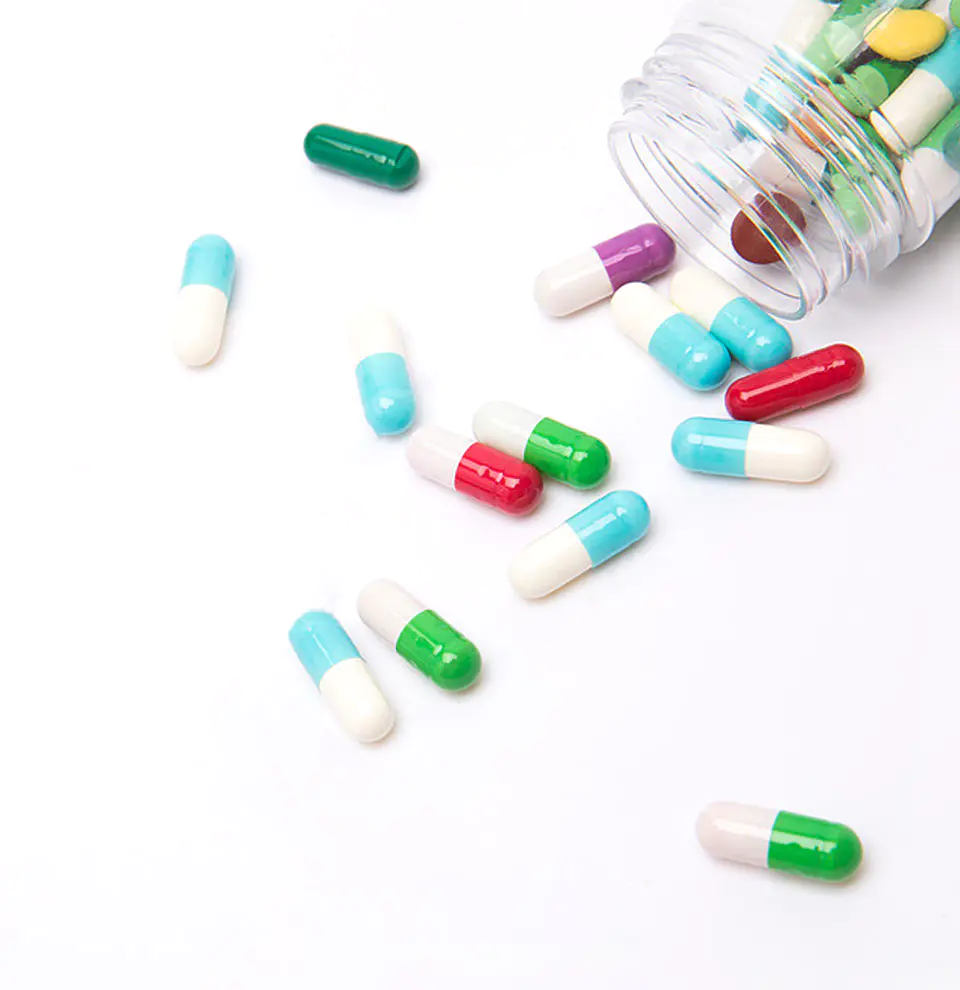
Among excipient-based dosage systems, the two-piece hard empty capsule is one of the oldest and most versatile. The capsule shell is itself classified as an excipient because it is a non-active component that physically contains the API and dictates how the contents reach the absorption site. Two primary shell materials dominate the market: animal-derived gelatin and plant-derived HPMC.
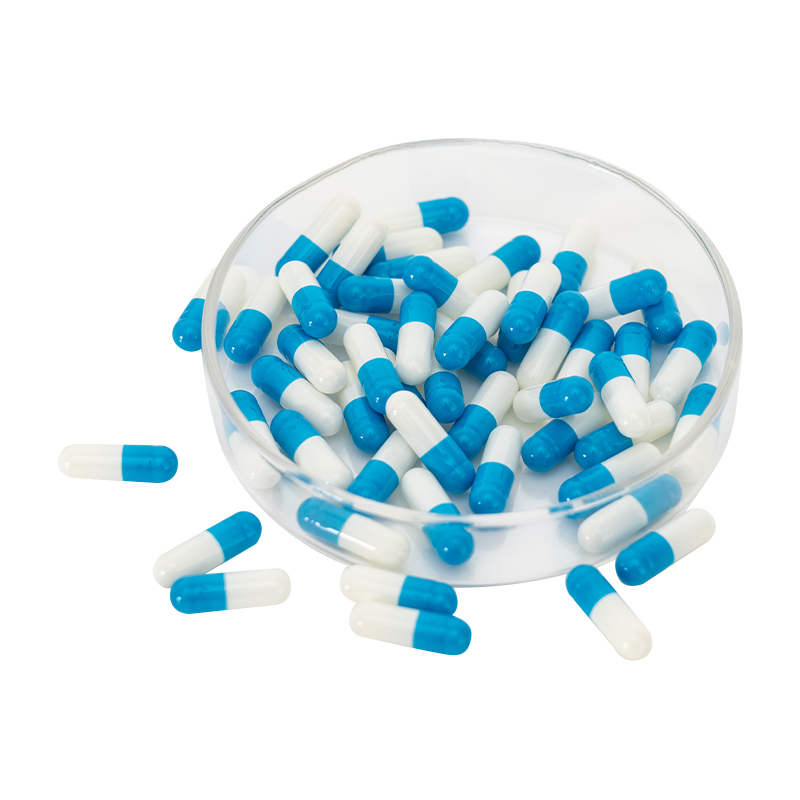
 Two-Piece Hard Gelatin Capsules for Rapid Drug ReleaseGelatin capsules are a classic excipient with low cost and high biocompatibility. Their inherent moisture content ensures rapid disintegration in gastric fluid, making them suitable for most populations except vegetarians and those with religious restrictions.View Product →
Gelatin capsules have been in continuous pharmaceutical use for more than a century. They are produced from bovine or porcine collagen, and published technical specifications indicate a moisture content of 12-16%. This inherent water content gives gelatin shells excellent elasticity and rapid disintegration in gastric fluid, typically achieving complete dissolution within 10 to 30 minutes.
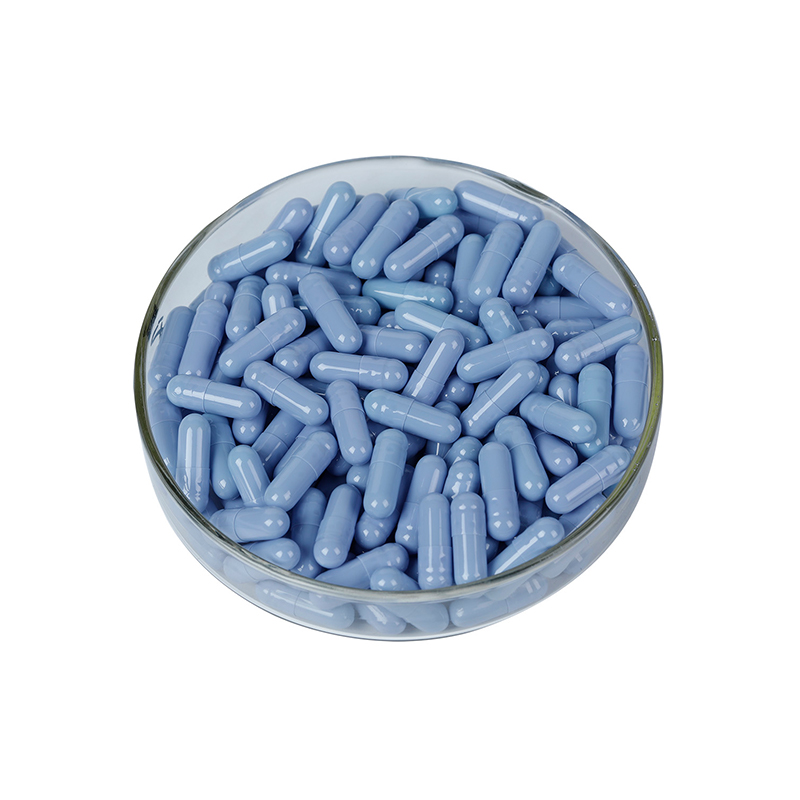
HPMC capsules, made from hydroxypropyl methylcellulose, represent a fully plant-based alternative. Because they retain only 3-7% moisture, they offer greater stability with moisture-sensitive APIs and do not exhibit the same cross-linking behavior that gelatin can display after long-term storage under humid conditions. For nutraceutical and supplement brands serving vegetarian or vegan consumers, HPMC capsules are the standard choice.
The difference between HPMC empty capsules compared with traditional gelatin shells is one of the most frequently researched topics in excipient selection. The lower water content of the plant-based shell also matters for formulations containing hygroscopic active ingredients.
 Plant-Based HPMC Empty Capsules for Moisture-Sensitive FormulationsHPMC capsules are made from pure plant sources, offering higher stability against moisture and heat. They are ideal for formulations with hygroscopic active ingredients and for consumers seeking vegetarian or special dietary options.View Product →
Halal capsules are a third category built for markets with religious dietary requirements. They can be manufactured from halal-compliant gelatin or from plant-based HPMC, ensuring that the shell contains no porcine-derived material. For international health product brands distributing to the Middle East, Southeast Asia, or Central Asia, halal-compliant excipients are not optional—they are an operational necessity.
Each capsule shell type behaves differently in the dosage form. Gelatin excels at rapid release. HPMC offers dryness and plant-derived appeal. Halal shells open access to specific geographic and cultural markets. Selecting among these excipient systems depends on the API, the target consumer, and the intended market.
 Halal-Certified Empty Capsules for Religious Dietary ComplianceHalal capsules comply with Islamic dietary laws and are certified Halal. They can be derived from halal-compliant gelatin or plant-based materials, making them a necessary excipient for brands targeting markets in the Middle East, Southeast Asia, or Central Asia.View Product →
Excipients are not biologically inert in practice. They directly affect dissolution rate, bioavailability, and shelf life. The most critical interactions formulators assess are between the API and the non-active components in the same dosage form.
Dissolution speed and bioavailability: A lubricant like magnesium stearate creates a hydrophobic film on particle surfaces. When mixing time is excessive, the dissolution rate can drop by 10-20% compared with a properly lubricated batch. This is why excipient handling and blending time are validated as critical process parameters.
Chemical compatibility: Lactose, a common filler, can interact with APIs containing primary amine groups. This Maillard reaction produces yellowish by-products and can reduce the active content over time. Compatibility studies are standard practice before the final excipient blend is locked.
Water activity and stability: Gelatin capsules at 12-16% moisture and HPMC capsules at 3-7% moisture create different microenvironments inside the shell. For APIs that degrade in the presence of water, the lower-water plant-based shell provides a more favorable storage condition.
In short, the same API can produce different performance outcomes depending on which excipients—including the capsule shell—are selected for the final dosage form.
Every excipient entering the supply chain should have a defined specification. For oral solid dosage forms, the quality parameters that matter most are water content, heavy metal limits, residual solvents, microbial purity, and functional consistency between batches.
A responsible capsule manufacturer maintains an in-house capsule chemistry laboratory capable of testing composition, degradation behavior, and water content. When sourcing excipients of any kind, the ability to perform validated testing matters more than a broad product catalogue.
Excipient development is moving faster today than it has over the past two decades. Four trends are influencing how suppliers and formulators choose excipients.
1. Plant-based excipients. HPMC has become the leading vegetarian alternative to gelatin. The global shift toward vegan and clean-label products has increased demand for plant-based capsule shells and non-animal fillers.
2. Halal-compliant products. As health product brands expand into Muslim-majority markets, halal-compliant excipients have moved from niche to standard product lines. Capsule manufacturers now offer dedicated halal shell formulations.
3. Functional co-processed excipients. Single-entity excipients are increasingly replaced by co-processed blends that combine two or more functions, such as a filler plus binder. This reduces inter-batch variability and simplifies the manufacturing process.
4. Moisture-sensitive packaging design. With more APIs being developed as high-humidity-sensitive compounds, excipient systems with low water activity—including HPMC capsules—are gaining priority in formulation development.
These trends influence the decisions made by B2B buyers, especially those in nutraceuticals, supplements, and health products. The right excipient must fit the market, the consumer profile, and the manufacturing environment.
Yes, when used at the levels permitted by established pharmaceutical quality standards. Each excipient is evaluated for toxicological safety before it is accepted for use in a finished product. The crucial point is that safety depends on the grade and purity of the excipient, not just its name.
An API is the active pharmaceutical ingredient that produces the intended therapeutic effect. An excipient is any other substance in the formulation. Excipients support the API physically and chemically, but they do not provide the primary therapeutic action.
Yes. A two-piece hard empty capsule shell—whether made from gelatin or HPMC—is classified as an excipient because it is a non-active component that contains and delivers the active ingredient. The shell material directly influences disintegration time and drug release.
Microcrystalline cellulose (filler), lactose monohydrate (filler), croscarmellose sodium (disintegrant), magnesium stearate (lubricant), and HPMC (coating/binder) are among the most frequently used excipients in tablet manufacturing.
Absolutely. Excipients control how quickly a tablet or capsule breaks apart, how fast the API dissolves, and whether the drug releases immediately or over time. For example, a hard gelatin capsule disintegrates in the stomach within 10-30 minutes in most cases, while a modified-release coating can postpone release for several hours.
Most active ingredients are used in very small amounts, from milligrams to micrograms. To make a practical, handheld dosage form, the API must be blended with fillers and binders. In solid oral forms, excipients consistently represent 60-95% of the total weight.
Gelatin is animal-derived and has a moisture content of 12-16%, providing rapid disintegration and excellent flexibility. HPMC is plant-derived and contains only 3-7% moisture, making it more stable with moisture-sensitive APIs and suitable for vegan consumers. The choice depends on the formulation requirements and target market.
Look for consistent specification control, laboratory testing capability, documented water content, and batch-to-batch stability. When sourcing capsule shells, evaluate the manufacturer's ability to maintain mechanical strength and dissolution behavior under real-world storage temperatures and humidity conditions.
Your email address will not be published. Required fields are marked *
If you would like to learn more about our products, please feel free to contact us and we will do our to assist you.
Copyright © Shaoxing Zhongya Capsule Co., Ltd. High Quality Empty Capsule Manufacturers Wholesale Transparent Empty Capsule Factory
All Rights Reserved.

