
 English
 中文简体
 русский

Product Consultation
Your email address will not be published. Required fields are marked *

Content
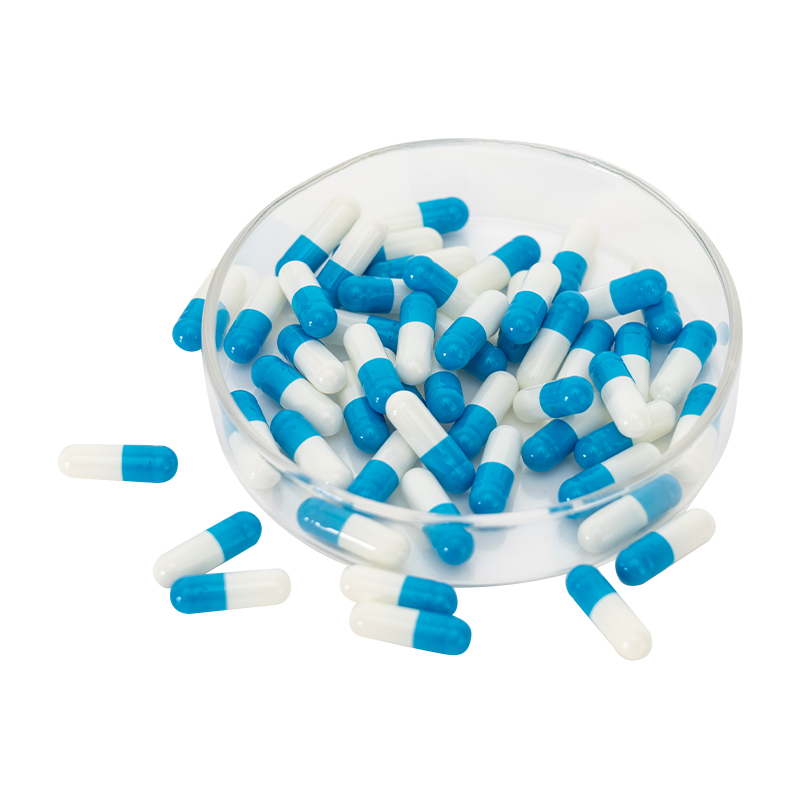
Your last batch of home-dehydrated vegetable powder looked incredible in the jar, but spooning it into smoothies every morning gets old fast. The alternative that actually works is filling your own vegetable powder blends into empty vegetable capsules by hand. The short answer: yes, this is realistic at home, and a well-made batch of 100 capsules can be finished in 30 minutes or less. The capsule shell you choose, the powder moisture, and the way you store the filled capsules decide whether the result looks polished or falls apart in three weeks.
Vegetable capsules made from hydroxypropyl methylcellulose (HPMC) are the right starting point because they contain far less moisture than gelatin shells and they hold up to the dry, hygroscopic nature of vegetable powders. The sections below cover capsule sizing with real fill volumes, two filling methods, powder preparation, storage rules, and the mistakes that most DIY guides skip.
Choose vegetable capsules for this job because the shell chemistry matches the fill. Hard gelatin capsules contain roughly 12 to 15 percent moisture, while HPMC vegetable capsules are normally manufactured inside a 3 to 7 percent moisture band. A dry vegetable powder is hygroscopic; it pulls water from whatever surrounds it, including the inner wall of a gelatin shell. If you fill beet, kale, or carrot powder into gelatin, the shell can soften, stick together, or distort over several weeks. HPMC capsules give off far less moisture, so the shell remains hard, the powder stays dry, and the capsules move freely in the jar.
 HPMC Vegetable Capsules for Hygroscopic Dry PowdersWith 3–7% moisture, HPMC shells prevent softening and sticking when filling moisture-absorbing powders like beet or kale. They stay flexible in low humidity and disintegrate in 12–25 minutes at body temperature—ideal for stable daily supplements.View Product →
If your blend will sit on a shelf for months, the moisture difference is the deciding factor. HPMC also keeps its mechanical strength across a wide humidity range; at low household humidity, gelatin shells become brittle and crack, whereas HPMC shells stay flexible without turning soggy. When you swallow the capsule, HPMC shells disintegrate reliably at body temperature; typical disintegration times in 37°C water are 12 to 25 minutes, which suits a daily supplement routine.
Vegetable capsules are also naturally free of animal ingredients, and because the raw material is plant-derived cellulose, there is no gelatin taste or odor left on the shell. If you are new to plant-based shells, this plain-language overview of what a vegetable empty capsule actually is explains the raw materials and production basics before you buy your first bag.
For the vast majority of homemade vegetable powder projects, HPMC capsules in sizes 0 or 00 will cover the blend you actually use; sizes 1 and 2 are better for stronger-tasting herbs where a smaller dose is desirable.
Capsule size is the most important practical decision because it sets your per-capsule dose and affects how easy the capsule is to swallow. For vegetable powder blends, most people land on size 0 as a daily default; size 00 works for high-volume servings, while sizes 1 and 2 suit concentrated blends where a 300 mg dose is enough. The table below shows the nominal fill volume of six common sizes and the approximate powder weight you can expect for two different tapped densities, which covers most dried vegetable powders.
| Capsule size | Nominal volume (mL) | Powder at 0.55 g/mL | Powder at 0.70 g/mL |
|---|---|---|---|
| 00# | 0.91 | 500 mg | 635 mg |
| 0# | 0.68 | 375 mg | 475 mg |
| 1# | 0.50 | 275 mg | 350 mg |
| 2# | 0.37 | 200 mg | 260 mg |
| 3# | 0.30 | 165 mg | 210 mg |
| 4# | 0.21 | 115 mg | 145 mg |
To estimate your specific blend, fill a clean 10 mL graduated cylinder with vegetable powder, tap it gently ten times, and read the volume again. Weigh the powder and divide the weight in grams by the tapped volume in millilitres. For example, if 10 mL of your blended green powder weighs 6.4 g, the tapped density is 0.64 g/mL, so a size 0 capsule of 0.68 mL would carry roughly 0.44 g (440 mg) of powder.
Some capsule manufacturers also offer extended-length sizes such as 00B and 0EL. The longer body gives extra headspace for powders that are light, fluffy, or prone to trapping air, and it helps when you want to stay in a smaller diameter shell for easier swallowing.
Clear vegetable capsules let you see the true color of the powder and make it easy to check fill level consistency batch after batch. Opaque shells block light, which is useful for chlorophyll-rich greens whose color fades under daylight, and they hide natural shade variation from crop to crop. Pearlescent shells add a smooth, soft-luster finish that feels noticeably more premium; they are a good choice when you are making capsules as gifts or building a small branded product.
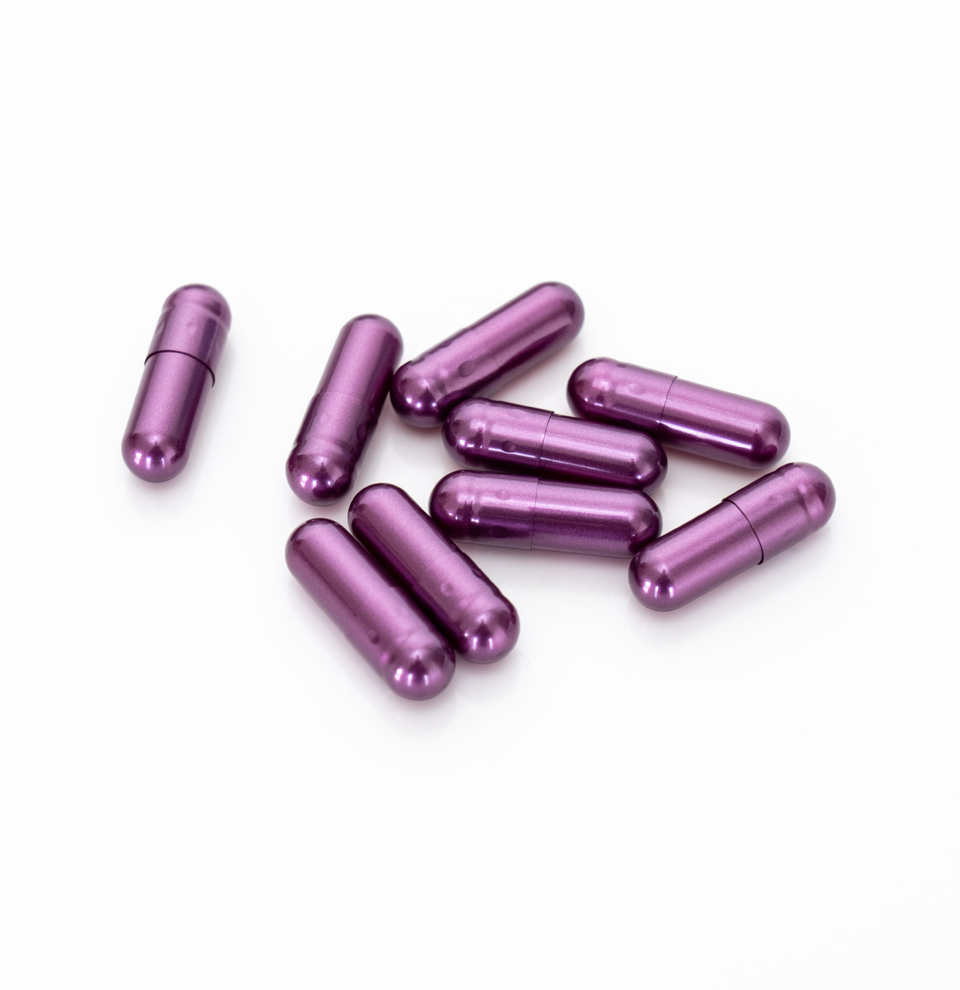 Pearlescent Capsules with a Premium, Lustrous FinishMade with pearl powder and gelatin or plant base, these capsules add a soft, smooth luster for a high-end look. Perfect for gifts or small branded batches, they pair well with hand filling or a capsule tray for monthly production.View Product →
You have two practical filling options: pure hand filling or a capsule tray. Hand filling is fine for 20 to 40 capsules and teaches you the mechanics of tamping. A small tray with 50 or 100 holes lifts the pace to roughly 100 capsules in 10 to 15 minutes, which is the sweet spot for monthly batch production.
Target an average filled weight with a tolerance of +/- 10 percent. Weigh every third capsule during your first batch; this takes one minute and catches inconsistent tamping before you commit to a full tray.
The powder side deserves more attention than the filling step because every problem that appears after two weeks can usually be traced back to how the powder was prepared. Four rules cover most situations:
If the blend contains powdered extracts or gums, remember they are strongly hygroscopic; aim for the low end of the moisture range and always include a desiccant sachet in the storage jar.
The enemy of filled vegetable capsules is humidity and light, not time. Store them in an amber glass jar with a tight lid, add a small silica gel sachet, and keep the jar below 25°C in a cupboard away from windows. Avoid the refrigerator; temperature cycling creates condensation inside the jar and can make both powder and shell pick up moisture.
Under these conditions, a blend made from fully dehydrated vegetable powders keeps its color, aroma, and capsule integrity for 12 to 18 months. Blends that contain ground seeds, powdered extracts, or high-fat ingredients are better consumed within 6 months. If the capsule color fades, the powder smells stale or sour, or the shells feel sticky or brittle, the batch has passed its useful life.
Once you pass the 1,000-capsule mark, three things determine whether the experience stays predictable: the manufacturer's moisture specification, the dimensional consistency of the shells, and how openly the production process is documented. A supplier that publishes its production process step by step, like Vivacaps by Zhongya Capsules, which runs its own advanced capsule chemistry laboratory, makes it easy for a small-batch producer to verify quality before spending money. Ask for the moisture range of each batch and confirm the sizes you need arrive in sealed packaging with a lot number.
These six failure patterns account for most of the disappointing DIY capsule batches:
Start with a small test batch instead of a big commitment. Fill 100 capsules, weigh every third one, and store the jar in a cool dark place for two weeks before opening it. If the capsules stay hard, the color holds, and the powder smells fresh, scale up with confidence. If the shells soften or crack, fix the moisture or the container first, then try again. One test cycle is enough to turn a messy experiment into a repeatable process.
Your email address will not be published. Required fields are marked *
If you would like to learn more about our products, please feel free to contact us and we will do our to assist you.
Copyright © Shaoxing Zhongya Capsule Co., Ltd. High Quality Empty Capsule Manufacturers Wholesale Transparent Empty Capsule Factory
All Rights Reserved.

