
 English
 中文简体
中文简体 русский
Product Consultation
Your email address will not be published. Required fields are marked *

Content
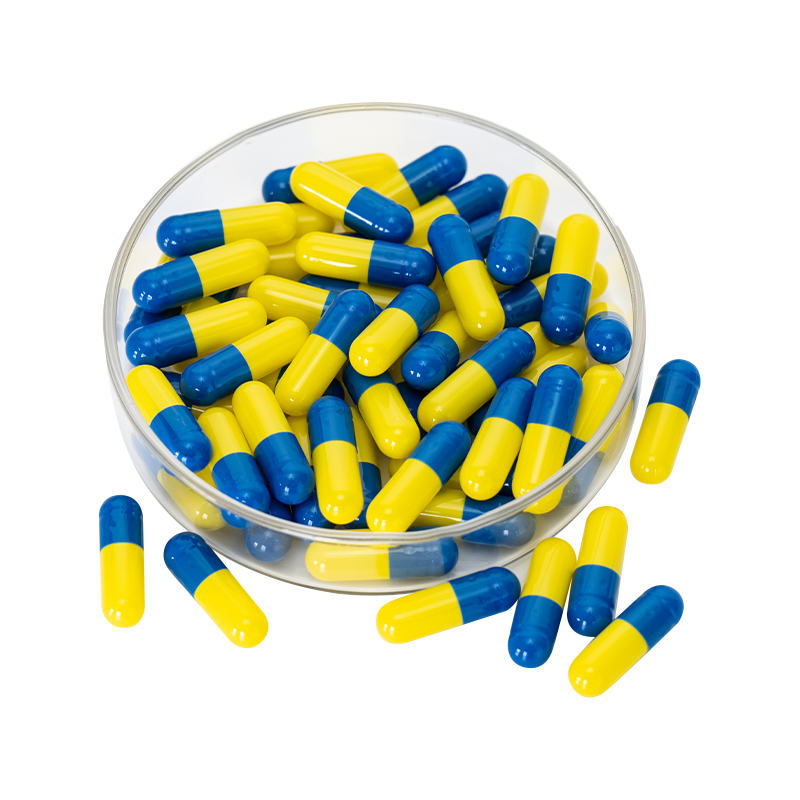
Most drug capsules on the market today are made from one of two base materials: gelatin, derived from animal collagen (bovine or fish skin and bone), or HPMC (hydroxypropyl methylcellulose), a plant-based cellulose polymer sourced from wood pulp or cotton linters. A smaller but fast-growing share of the market uses pullulan, a fermentation-derived polysaccharide, for premium vegetarian formulations, and a handful of niche producers work with starch, alginate, or modified carrageenan blends for specialty release profiles. Halal capsule shells are typically produced from HPMC or from bovine gelatin sourced through halal-compliant slaughter and processing lines, since fish gelatin and plant cellulose avoid the pork-derived material concern entirely.
Beyond the base polymer, every capsule shell contains a small percentage of water (moisture content usually between 13 percent and 16 percent for gelatin, lower for HPMC), plus optional colorants, opacifiers such as titanium dioxide, and in some HPMC formulations a gelling agent like carrageenan or gellan gum to help the shell set during dip-molding. None of these materials are chosen at random. Each one carries a distinct cost profile, dissolution speed, moisture tolerance, and dietary compatibility, and a manufacturer's choice of shell material shapes almost every downstream decision, from storage conditions to shelf life claims to which export markets a finished product can realistically reach.
The remainder of this article works through each material in depth: where it comes from, how it behaves once it becomes a finished shell, how it is actually produced on a dip-molding line, what additives typically go into it, how capsule sizing works, what buyers should check on a quality certificate, and how sustainability and packaging considerations are starting to reshape sourcing decisions across the industry.
Gelatin has been the default capsule material since the modern two-piece hard capsule was first commercialized in the late 1800s, and it still accounts for the majority of global capsule production. It is produced by partial hydrolysis of collagen extracted from animal skin, connective tissue, and bone, most commonly from cattle hide (bovine gelatin), pig skin (porcine gelatin), or fish skin (fish or marine gelatin). The collagen source is broken down through a controlled acid or alkaline pretreatment, followed by extraction in hot water, filtration, concentration, and drying into a granular or powdered form that capsule manufacturers then redissolve for dip-molding.
Within the gelatin category, manufacturers generally work with two subtypes. Type A gelatin comes from an acid pretreatment process, most commonly applied to porcine skin, and tends to have a slightly higher bloom strength range. Type B gelatin comes from an alkaline (lime) pretreatment process, most commonly applied to bovine hide and bone, and is generally the preferred choice for pharmaceutical-grade capsule shells because of its consistent gel strength and clarity. Bloom strength, a measurement of gel rigidity, typically falls between 150 and 280 bloom for capsule-grade gelatin, and manufacturers blend different bloom-strength batches to hit a target viscosity and set time for their specific dip-molding equipment.
Gelatin capsules are sensitive to humidity and heat. In dry environments the shell can become brittle and crack; in humid conditions it can soften, distort, or stick together during storage and transport. This is why gelatin capsules are usually packed with desiccant and stored below 25 degrees Celsius and 45 percent relative humidity. Gelatin is also not suitable for vegetarian, vegan, kosher-pork-restricted, or certain halal formulations unless it is sourced specifically from fish or halal-certified bovine lines, which narrows supplier options and adds a traceability requirement that many buyers prefer to avoid altogether.
A less discussed limitation is cross-linking, a phenomenon where gelatin shells become insoluble over time when stored with certain reactive fill ingredients such as aldehydes or reducing sugars, or when exposed to elevated temperature and humidity for extended periods. Cross-linked shells fail to disintegrate properly even when the labeled dissolution time has long passed, which is one reason formulators run accelerated stability testing before finalizing a gelatin-based product for long shelf life claims.
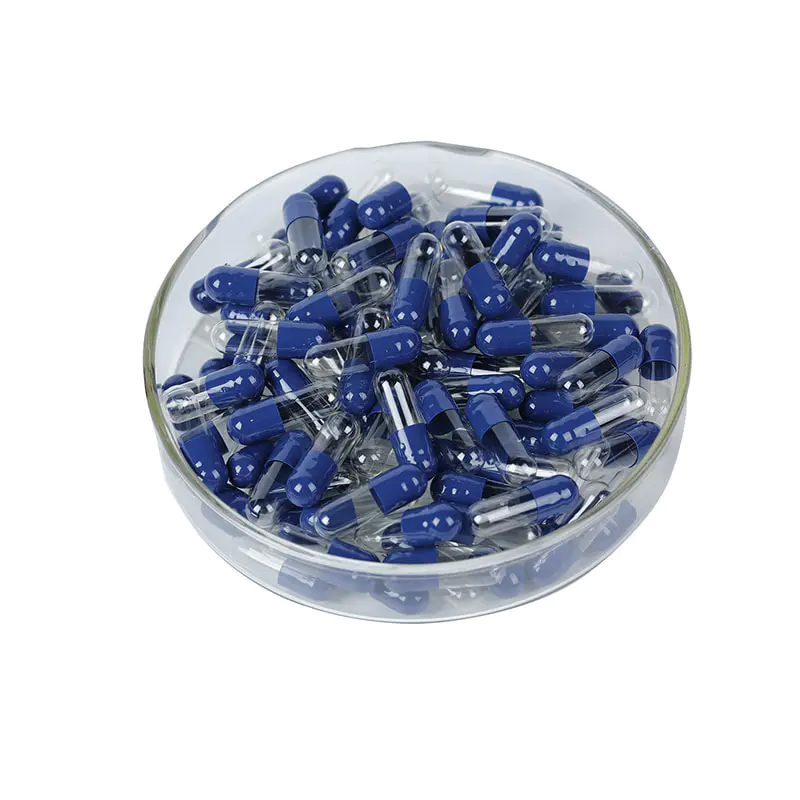
HPMC capsules are made from hydroxypropyl methylcellulose, a chemically modified cellulose derived from wood pulp or cotton fiber. The cellulose is treated with propylene oxide and methyl chloride to produce a water-soluble polymer that can be dissolved, gelled, and dip-molded in much the same way as gelatin, but without any animal input. The substitution pattern of methoxy and hydroxypropoxy groups on the cellulose backbone is what determines the final polymer's gelation temperature, viscosity, and film-forming behavior, so capsule-grade HPMC is manufactured to a tighter substitution specification than the HPMC used in construction adhesives or paint thickeners.
| Property | Gelatin | HPMC |
|---|---|---|
| Source | Animal collagen (bovine, porcine, fish) | Wood pulp or cotton cellulose |
| Moisture content | 13 percent to 16 percent | 4 percent to 6 percent |
| Disintegration time | Around 10 to 15 minutes | Around 25 to 35 minutes |
| Storage stability | Sensitive to humidity swings | Stable across a wider humidity range |
| Brittleness in dry climates | More prone to cracking below 30 percent relative humidity | Retains flexibility across a broader humidity band |
| Dietary compatibility | Not vegetarian; halal status depends on source animal | Vegetarian, vegan, and halal by default |
| Typical unit cost position | Lower | Moderately higher |
Because HPMC contains no animal material at all, it is naturally suited to vegetarian, vegan, and halal capsule product lines without needing to trace an animal supply chain back to the slaughter method. This is a major reason HPMC has become the preferred shell material for brands exporting to markets across the Middle East, Southeast Asia, and other regions where halal-compatible formulation matters to buyers. HPMC also tends to perform better than gelatin in hot, humid climates during shipping and warehousing, which matters a great deal for exporters shipping finished capsules by sea freight through tropical transit routes where temperature and humidity are difficult to fully control.
Pure HPMC solution does not gel on its own the way gelatin does when it cools, so manufacturers add a secondary gelling agent to help the dipped film set on the pin before it moves into the drying tunnel. Carrageenan, a polysaccharide extracted from red seaweed, is the most widely used gelling agent in HPMC capsules, typically used at a concentration well under two percent of the total solution. Gellan gum is used as an alternative in some formulations, particularly where a manufacturer wants to reduce potassium or calcium ion content in the finished shell for compatibility with specific fill materials.
Pullulan is a polysaccharide produced through fermentation of starch by the fungus Aureobasidium pullulans. It forms an unusually thin, oxygen-resistant film, which makes it attractive for products sensitive to oxidation, such as certain vitamins, probiotics, and fish oil derivatives that would otherwise degrade in shells with higher oxygen permeability. Pullulan capsules cost more to produce than gelatin or HPMC, so they are mostly reserved for premium supplement lines rather than mass-market pharmaceuticals, but demand has grown steadily as more brands look for a shell that combines vegetarian status with faster disintegration than standard HPMC.
Starch-based capsule shells, often made from modified potato or tapioca starch, appear in smaller production volumes as a lower-cost vegetarian alternative to pullulan. These shells generally have lower mechanical strength than gelatin or HPMC, which limits their use on very high-speed filling lines, but they remain a viable option for smaller batch runs or artisanal supplement brands prioritizing a simple ingredient list.
Alginate, extracted from brown seaweed, and various carrageenan blends occasionally appear in specialty capsule formulations, usually where a manufacturer wants a specific gel texture or a shell that interacts predictably with a particular mineral-based fill material. These remain niche compared to the four materials above, but they illustrate how much formulation flexibility exists once a brand moves past the assumption that "capsule" always means gelatin.
A halal capsule is defined by its raw material and the way that material was processed, not by any change to the physical shape, size, or function of the shell. Two paths are common in current production:
Fish gelatin is sometimes marketed alongside halal product lines as well, since fish do not require the same slaughter method considerations as cattle. In practice, buyers sourcing halal capsule shells for export tend to favor HPMC precisely because it removes the sourcing question entirely, simplifying supply chain audits and reducing dependence on any single abattoir, tannery, or hide broker whose practices could otherwise change from batch to batch.
Brands selling supplements into markets across the Gulf Cooperation Council countries, Malaysia, Indonesia, and parts of North Africa frequently standardize their entire capsule line on HPMC rather than running two parallel production lines, one gelatin and one halal-sourced gelatin. Consolidating on a single shell material reduces inventory complexity, avoids the risk of mixing shell types on a shared filling line, and gives sales teams a simpler, cleaner story to tell distributors and retail buyers who are evaluating multiple supplier options at once.
For brands formulating supplements aimed at halal-conscious consumers, the practical checklist usually covers three points: confirming the shell polymer itself, confirming that any colorants or opacifiers used are not derived from restricted animal sources, and confirming that the fill material inside the capsule follows the same sourcing logic as the shell. A shell being HPMC does not automatically confirm every other input in a finished product meets the same standard, which is why serious buyers request documentation covering the entire bill of materials rather than the shell alone.
Regardless of whether the base material is gelatin or HPMC, most hard two-piece capsules are produced using a dip-molding process that has changed relatively little in its basic mechanics for decades, even as the equipment has become faster, more automated, and more tightly monitored.
A single production line can process tens of thousands of pins per cycle, and modern facilities run continuous humidity and temperature control across the entire dip-drying tunnel to keep wall thickness consistent from the first shell of the day to the last. Environmental monitoring inside the production hall itself is just as important as the dip solution recipe, since even small shifts in ambient humidity change how quickly a film sets on the pin and how much it shrinks during drying.
Reputable facilities check dip solution viscosity multiple times per shift, sample finished shells for moisture content using loss-on-drying testing, and run periodic disintegration tests on random batches pulled directly off the line rather than relying solely on a single end-of-batch test. Camera-based sorting equipment can typically reject shells with visible defects at a rate far faster than manual inspection, which has become the standard approach for high-volume producers supplying pharmaceutical-grade capsules.
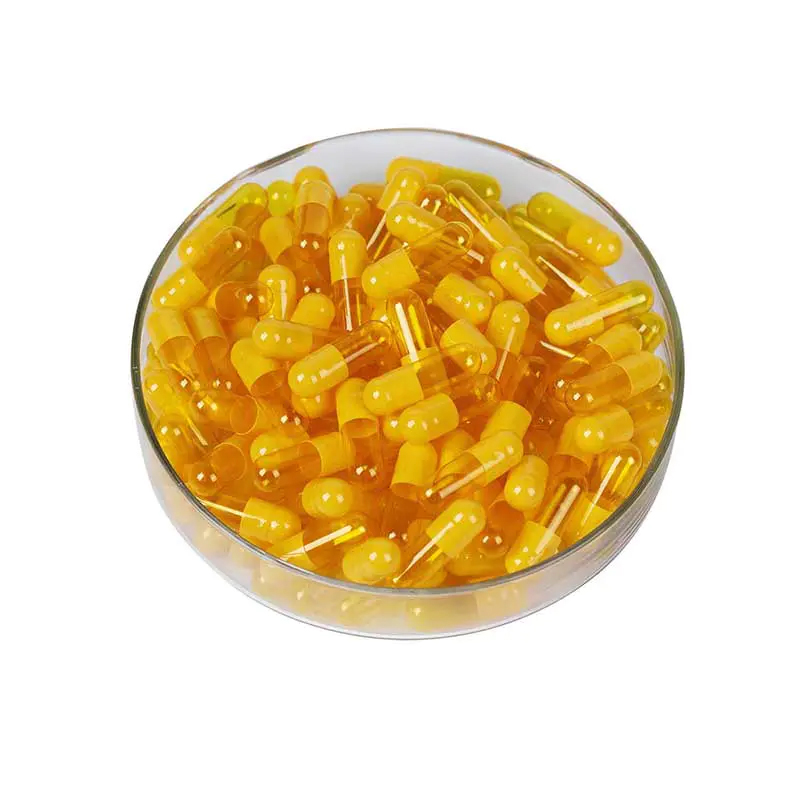
Capsule shells are manufactured in a standardized set of sizes regardless of whether the material is gelatin or HPMC, which lets formulators switch between shell materials without redesigning their filling equipment. The table below outlines the most common sizes used across supplement and pharmaceutical manufacturing.
| Size | Approximate volume | Common use |
|---|---|---|
| 000 | About 1.37 ml | Large veterinary or high-dose formulations |
| 00 | About 0.95 ml | Common large supplement size |
| 0 | About 0.68 ml | Widely used general-purpose size |
| 1 | About 0.50 ml | Common pharmaceutical and supplement size |
| 2 | About 0.37 ml | Compact dosing, easier swallowing |
| 3 | About 0.30 ml | Smaller dose or pediatric-oriented products |
| 4 | About 0.21 ml | Small-volume, low-dose formulations |
Choosing a size is not purely about fill volume. Powder density, flow characteristics, and compressibility all affect how consistently a filling machine can dose a given formulation into a given shell size, which is why formulators often run small-scale filling trials across two or three candidate sizes before locking in a final specification for full-scale production.
The base polymer only makes up part of a finished capsule shell. Several functional additives are blended into the dipping solution before the shell is formed, each serving a specific purpose that affects appearance, stability, or manufacturability:
| Additive | Function |
|---|---|
| Titanium dioxide | Opacifier that blocks light and hides the fill material inside the shell |
| Iron oxide pigments | Provide red, yellow, or black shell coloring for branding and product differentiation |
| Carrageenan or gellan gum | Gelling agents added to HPMC solutions to help the film set during dipping |
| Sodium lauryl sulfate | Surfactant sometimes used in small amounts to improve film uniformity |
| Sodium lauryl sulfoacetate | Occasionally used as an alternative surfactant in gelatin formulations |
| Purified water | Solvent for the polymer solution, largely evaporated during drying but retained at a controlled residual percentage in the finished shell |
Reputable capsule manufacturers publish a certificate of analysis for each production batch listing the exact percentage of each additive, which buyers should request and keep on file for their own product documentation and for any downstream retailer or distributor audits.
Shell material choice increasingly intersects with packaging and sustainability decisions further down the supply chain. Gelatin, as an animal byproduct, is sometimes framed by brands as a form of upcycling within the meat processing industry, since it uses tissue that would otherwise be discarded. HPMC and pullulan, by contrast, appeal to brands building a plant-based or environmentally focused product story, even though the actual manufacturing footprint of each material depends heavily on the specific supplier's energy sourcing and water treatment practices rather than the polymer type alone.
On the packaging side, capsule shells are commonly shipped in moisture-barrier bags with desiccant packs, and buyers receiving large volumes should confirm that pallet storage conditions at their own warehouse match the manufacturer's recommended temperature and humidity range. A shell that leaves the factory within specification can still fail quality checks weeks later if it sits in an uncontrolled warehouse environment during a humid season, which is a logistics issue rather than a manufacturing defect, but one that buyers frequently overlook when evaluating supplier quality.
For any brand sourcing capsules for a finished supplement or pharmaceutical product, a handful of specifications matter more than most others on a data sheet: disintegration time, wall thickness consistency, moisture content, and brittleness under varying storage conditions.
Disintegration time is usually tested in water at 37 degrees Celsius using a basket-rack apparatus, simulating stomach conditions. Standard gelatin capsules typically disintegrate in under 15 minutes, while standard HPMC capsules run closer to 25 to 35 minutes because the cellulose film swells before it fully breaks apart. For time-release or delayed-release formulations, manufacturers add enteric coatings on top of either base material, which changes disintegration behavior entirely and is tested separately using a two-stage protocol that first exposes the shell to simulated gastric fluid and then to simulated intestinal fluid.
Wall thickness that varies too much across a single batch leads to capsules that either crack during filling on high-speed equipment or fail to lock properly between cap and body. Buyers running automated capsule filling lines at 100,000 units per hour or faster should request thickness variance data, not just an average figure, since a wide variance is what actually causes line stoppages and rejected capsule waste on the filling floor.
Moisture content is typically verified using loss-on-drying analysis, and manufacturers usually run accelerated stability testing at elevated temperature and humidity, commonly 40 degrees Celsius and 75 percent relative humidity, to predict how a shell will hold up over its intended shelf life. Buyers evaluating a new supplier should ask to see this stability data rather than relying solely on the moisture specification listed at the time of shipment, since a shell within spec on day one can still behave differently after six months in a warm distribution warehouse.
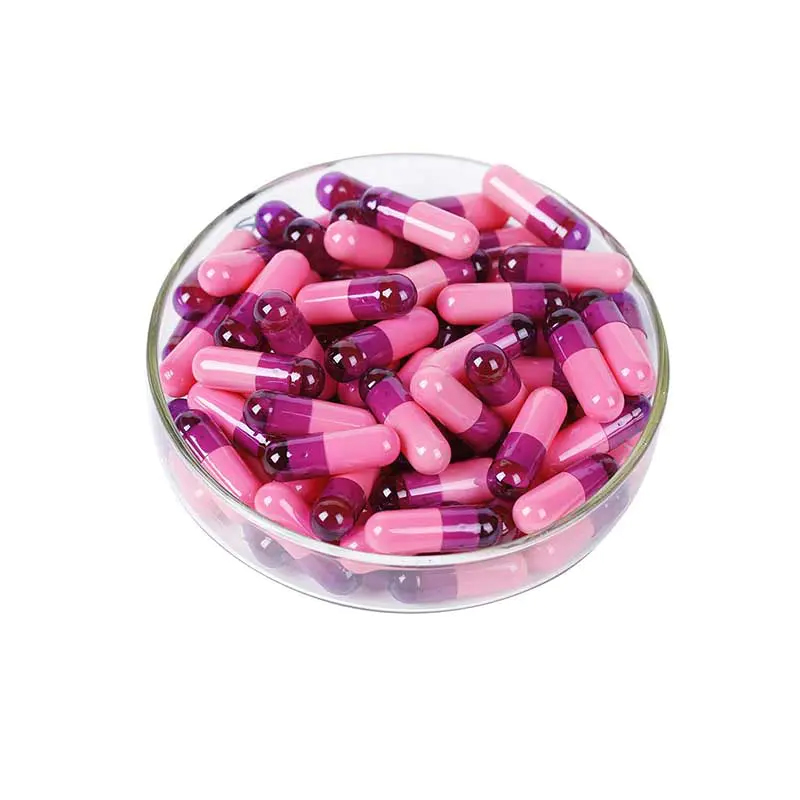
Even with tightly controlled dip-molding lines, a handful of defect types recur across the industry, and understanding them helps buyers ask more specific questions during supplier evaluation rather than relying on general assurances of quality.
Established manufacturers track defect rates by batch and share this data with buyers on request, which is a far more useful evaluation tool than a single glowing quality statement on a product brochure.
There is no single correct answer across every product category. The decision generally comes down to five practical questions:
Many contract manufacturers now offer both gelatin and HPMC lines side by side precisely so that a single facility can serve conventional supplement brands and halal or vegetarian-focused brands without operating two separate production sites. For brands still deciding between materials, running a small pilot batch in both shell types under the same storage and dosing conditions is generally a more reliable way to compare real-world performance than relying on specification sheets alone.
No. Gelatin remains common, but HPMC, pullulan, and other plant-based or fermentation-derived polymers make up a growing share of capsule production, particularly for vegetarian, vegan, and halal product lines.
HPMC is plant-derived and contains no animal material, which makes it inherently compatible with halal formulation requirements. However, a shell being HPMC does not automatically confirm every other input in a finished product, such as the fill material or colorants, meets the same standard.
Dissolution speed depends primarily on the base polymer, with gelatin generally dissolving faster than HPMC, as well as on shell thickness, moisture content, and any additional coating applied for delayed or extended release.
Yes. Fish gelatin is produced from fish skin and bone rather than cattle or pig sources, and it is used in some halal and kosher-oriented product lines as an alternative to mammalian gelatin.
Most modern capsule shells do not require added preservatives because their moisture content and drying process already limit microbial growth, though specific formulations can vary by manufacturer and should be confirmed on the batch certificate of analysis.
Color is typically selected using approved pigments such as titanium dioxide for opacity and iron oxides for hue, allowing brands to differentiate product lines or match packaging without altering the underlying shell material.
The chemical modification process used to produce capsule-grade HPMC is more involved than gelatin extraction, and HPMC also requires an added gelling agent to set properly during dip-molding, both of which contribute to a higher raw material and processing cost.
Yes. Standard capsule sizes such as 00, 0, 1, 2, 3, and 4 are manufactured in both gelatin and HPMC, which allows formulators to switch shell material without redesigning fill volume or filling equipment settings.
Brittleness generally results from moisture loss during extended storage in low-humidity environments, or from over-drying during manufacturing, both of which reduce the flexibility of the shell wall and make it more prone to cracking during handling.
Pullulan can be a strong fit for brands positioning a premium, oxidation-sensitive product, but its higher cost and typically higher minimum order quantities make it less practical for very early-stage brands compared to HPMC or gelatin.
Your email address will not be published. Required fields are marked *
If you would like to learn more about our products, please feel free to contact us and we will do our to assist you.
Copyright © Shaoxing Zhongya Capsule Co., Ltd. High Quality Empty Capsule Manufacturers Wholesale Transparent Empty Capsule Factory
All Rights Reserved.

