 English
 中文简体
 русский

Product Consultation
Your email address will not be published. Required fields are marked *

Content
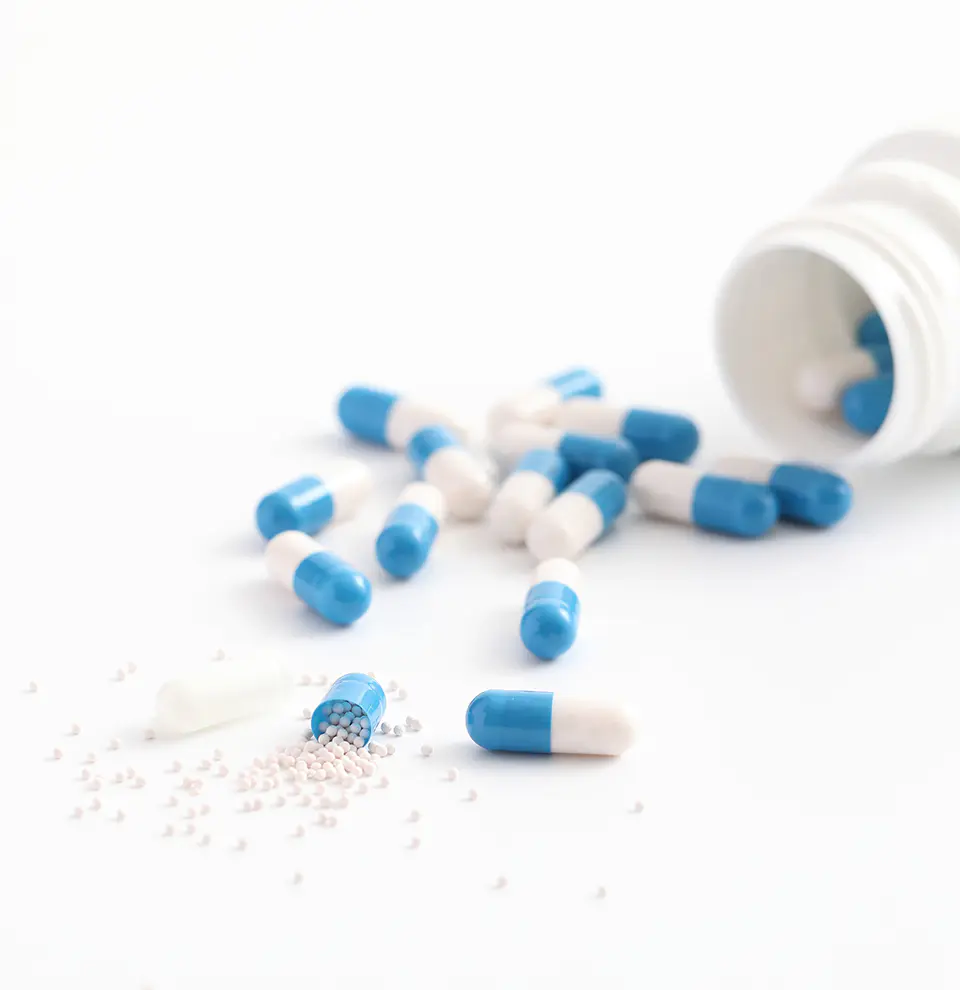
Open a bottle of most white supplement capsules and you will find titanium dioxide on the inactive-ingredient list. It is there because a thin white coating makes capsules look consistent, masks off-color powders, and protects light-sensitive ingredients. But a simple function does not end the debate. The European Union has banned TiO2 in food, including supplements, while the U.S. Food and Drug Administration still permits it in color-additive applications. So which view should a supplement buyer trust? For most consumers, the more useful question is not whether TiO2 is technically lawful, but whether you can get the same product quality without it. The answer is yes, and the choice starts with the capsule shell.
Titanium dioxide is not an active ingredient, and it is not a preservative. It is a white pigment classified as a color additive. In a supplement, its role is visual and protective rather than nutritional. That is why it is more common in capsules and coated tablets than in loose powders or liquids.
The practical conclusion is simple: TiO2 is used to give supplements a clean, uniform, and marketable appearance. Replace that visual function, and the ingredient becomes optional.
| Dosage form | Common role | Frequency |
|---|---|---|
| Hard-shell capsules | Opacifier in the shell material | Very common in white opaque shells |
| Tablet film coating | White base in coating suspension | Common in coated tablets |
| Softgel shells | Colourant in gelatin or alginate shell | Less common unless a bright shell is required |
The most important split in the titanium dioxide debate is geographic. In the European Union, TiO2 is no longer considered safe as a food additive. In the United States, it remains an approved color additive for food, drugs, and cosmetics. These positions are not directly comparable because they come from different regulatory frameworks.
| Parameter | European Union | United States |
|---|---|---|
| Additive name | E171 | Titanium dioxide |
| Current status | Banned as a food additive since February 2022 | Approved under 21 CFR 73.575 as a color additive |
| Regulatory basis | EFSA 2021 opinion concluded genotoxicity could not be ruled out | FDA’s existing approval remains in place |
| Practical impact | Brands selling in the EU must remove TiO2 or reformulate | Brands selling only in the U.S. can still use it, but many are voluntarily reformulating |
This is not a simple scientific disagreement. It reflects different risk policies. The FDA starts from the position that a permitted color additive is safe when used according to specifications. EFSA’s 2021 evaluation asked whether new genotoxicity data changed the previous no-effect conclusion. The two processes ask different questions, which is why they reach different answers. (Source: EFSA, 2021; EU Regulation 2022/63; FDA 21 CFR 73.575)
EFSA’s Panel on Food Additives and Flavourings reviewed a large body of toxicological literature before concluding that TiO2 can no longer be considered safe as a food additive. The central reason was not acute poisoning or obvious organ damage, but the possibility of genotoxicity. Genotoxicity means a substance can damage DNA, and such damage is considered a step toward mutations and long-term health risk. The panel stated clearly that a concern could not be ruled out. That uncertainty was enough to trigger a ban under the precautionary principle used in Europe. (Source: EFSA Scientific Opinion, 2021)
Food-grade TiO2 contains a fraction of particles smaller than 100 nanometers. Particle size matters because nanoscale materials can interact with biological barriers differently than larger particles. The EU ban did not rely solely on nanoparticles, but they played a major role in the overall uncertainty. When supplement capsules are swallowed, the shell degrades and TiO2 particles are released into the gastrointestinal tract. Even if absorption is low, repeated daily exposure over years creates a very different scenario from a single dietary source.
Food remains the largest source of TiO2 for most people, but supplements are a direct and repeatable exposure. A person taking three capsules per day can consume a visible capsule shell plus a coated tablet, which may add up to a larger cumulative dose than occasional food products. For this reason, supplement brands that want to stay ahead of regulation are treating TiO2 as an avoidable ingredient rather than waiting for further legal changes.
Separately, the International Agency for Research on Cancer classified titanium dioxide as Group 2B, meaning possibly carcinogenic to humans, based primarily on inhalation studies in occupational settings. The oral route relevant to supplements is different, but the classification continues to influence consumer perception. (Source: IARC, 2010)
Supplement labels do not always use the full name. You need to recognize the standard food and chemical names. The ingredient statement is the best source of truth, including the capsule shell, because shell ingredients are part of the finished supplement.
Some labels use generic terms such as “color added” or “artificial color” without naming the specific pigment. If you see a bright white capsule with a generic color term, ask the brand directly whether the shell contains titanium dioxide. Clean-label brands usually state “no titanium dioxide” or “TiO2-free” because the claim is now a meaningful differentiator.
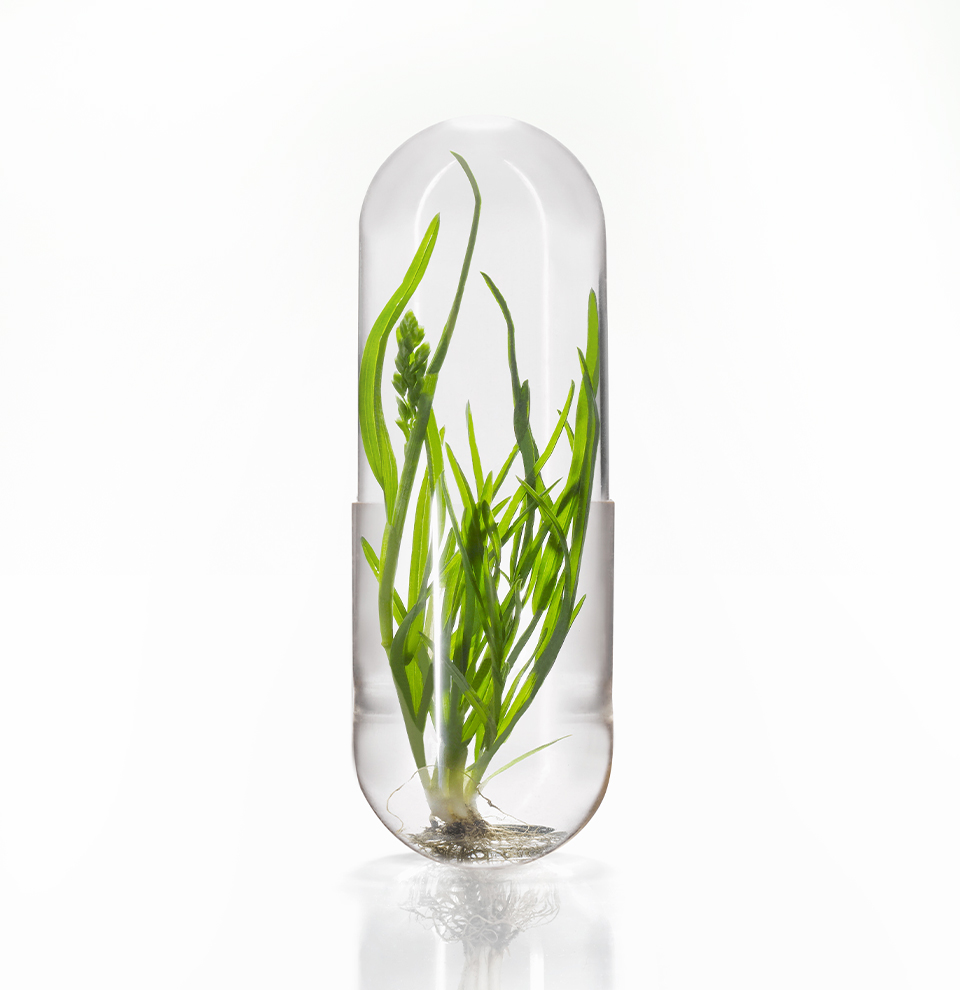
If you want to remove TiO2 from a supplement, the most straightforward point is the capsule shell. The shell is often why TiO2 is needed in the first place. Transparent or lightly colored shells eliminate the need for an opacity agent. Plant-based shells made from HPMC can be produced without titanium dioxide while maintaining clarity, low moisture, and a neutral taste. A growing number of supplement manufacturers now evaluate HPMC capsules as a standard clean-label option.
 Plant-Based HPMC Capsules Without Titanium DioxideThese HPMC capsules offer a clean-label alternative by eliminating the need for TiO2. Their transparent plant-based shell provides high stability and low moisture, making them ideal for vegetarians and those avoiding animal-derived ingredients.View Product →
For brands that prefer a traditional gelatin shell, the clean route is to request an undyed or transparent shell. Gelatin itself is naturally clear or slightly amber. When a supplier adds TiO2, it is usually to achieve a bright white opaque look, not because the capsule needs it for performance. Removing the white pigment changes the appearance, but it does not change the dissolution profile or filling behavior if the formula is re-validated.
| Capsule type | Typical appearance | TiO2 usually needed? |
|---|---|---|
| Gelatin capsule | Clear, translucent, or opaque | Only if bright white opacity is required |
| HPMC capsule | Clear or colored; plant-based | Can be TiO2-free by default |
| Pearl capsule | Pearlescent finish, premium look | Usually not needed |
The table shows that clean capsules are already the norm in many product lines. The real work is not whether TiO2 can be removed, but whether the alternative visual system meets the brand’s specification for whiteness, light protection, and consistency.
Consumers do not need a background in toxicology to choose a clean supplement. A quick label scan and a few targeted questions can eliminate most of the uncertainty.
For brands and manufacturers, the same checklist applies in a more detailed form. A supplier who cannot confirm the absence of TiO2, or who cannot name the exact pigment system used in the shell, is not ready for a clean-label claim. If you prefer a traditional but clean gelatin option, ask for a transparent or lightly tinted shell instead of a white one.
 Transparent Gelatin Capsules as a TiO2-Free OptionFor brands preferring traditional gelatin shells, choosing undyed transparent capsules avoids titanium dioxide. The appearance changes without affecting dissolution or filling performance when properly re-validated.View Product →
Supplement brand owners and R&D teams should not rely on word-of-mouth when replacing TiO2. Supplier transparency is easy to test if you ask the right questions.
These questions are not designed to discredit suppliers. They are designed to separate deliberate TiO2-free formulations from simple color changes that do not solve the underlying consumer concern.
For brands that value an elegant appearance, decorated or pearlescent capsules are another way to stand out without using a white opacifier. A distinctive shell finish can reinforce brand appeal while remaining functionally transparent.
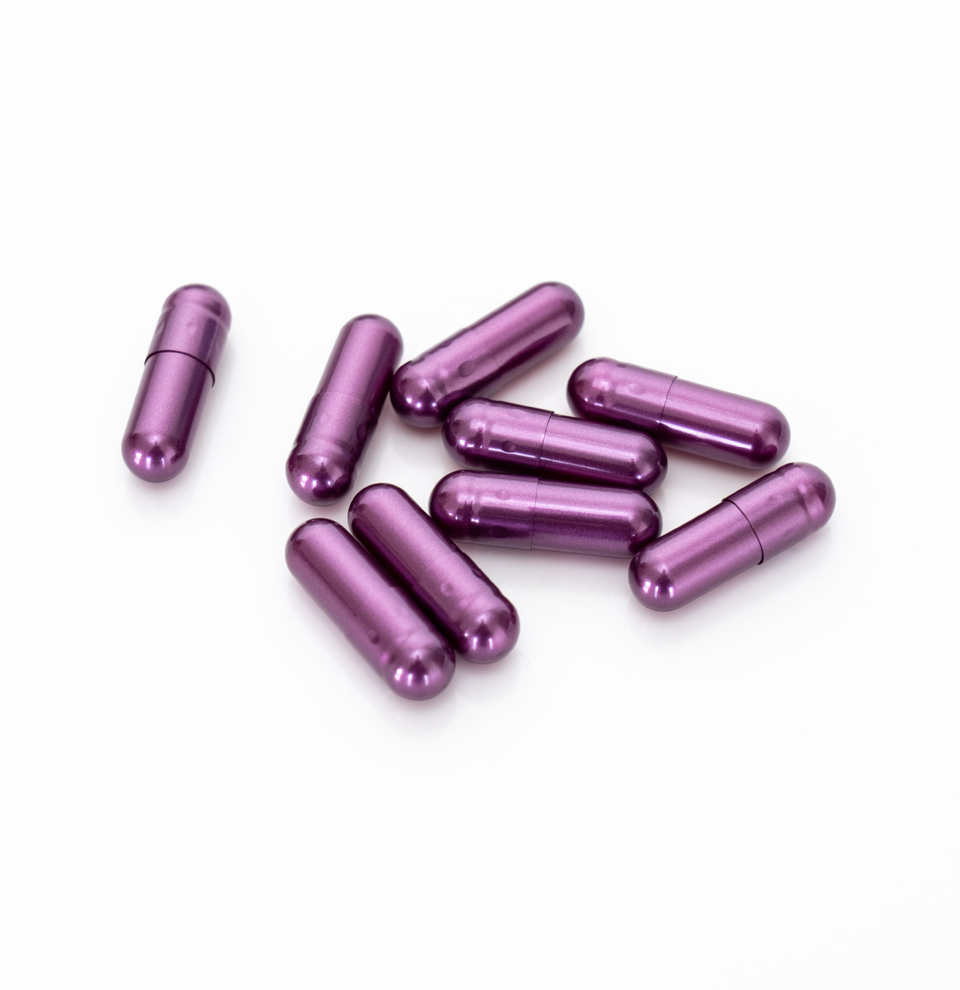 Pearlescent Capsules with Pearl Powder for BeautyThese pearl capsules feature a distinctive, elegant finish that eliminates the need for white opacifiers. Enriched with pearl powder, they appeal to health-conscious consumers seeking a visually appealing supplement without TiO2.View Product →
There is no universal yes or no. The EU concludes that the available evidence does not allow a safe level to be defined, while the FDA continues to permit it. Consumers who want to minimize unnecessary exposure can avoid it without sacrificing supplement quality.
The EU applies the precautionary principle and acted on EFSA’s 2021 genotoxicity uncertainty. The FDA evaluates the same additive under existing permitted-use regulations and would require a formal petition to revoke or amend the approval.
A truly transparent shell is unlikely to contain TiO2, because the pigment is used as an opacifier. However, the fill powder inside the capsule could still contain a color additive, so the full ingredient list remains essential.
No. HPMC capsules can be made without TiO2, but a white opaque HPMC shell may still contain it unless the manufacturer intentionally selects a TiO2-free pigment system. Always confirm with the capsule supplier.
Look for the words titanium dioxide, E171, CI 77891, or TiO2 in the ingredient list. An uncoated white shell is a red flag, but do not assume it contains TiO2 without checking the label.
Removing an opacifier can change appearance, light protection, and release from tooling, but well-designed replacement systems maintain dissolution and stability when the formula is validated. The result is a capsule that performs the same while supporting a cleaner label.
The titanium dioxide debate in supplements is not going to disappear. Regulatory decisions are evolving, and consumer preference for clean labels is permanent. The safest strategic view for a brand is to treat TiO2 as avoidable rather than essential. Capsule suppliers already have the raw material options and production controls to deliver a white or premium look without it. Whether you are a consumer checking a bottle or a brand evaluating a vendor, the practical move is to ask one question: was this capsule deliberately formulated without titanium dioxide?
Your email address will not be published. Required fields are marked *
If you would like to learn more about our products, please feel free to contact us and we will do our to assist you.
Copyright © Shaoxing Zhongya Capsule Co., Ltd. High Quality Empty Capsule Manufacturers Wholesale Transparent Empty Capsule Factory
All Rights Reserved.

