
 English
 中文简体
中文简体 русский

Product Consultation
Your email address will not be published. Required fields are marked *


Content
A fish oil capsule is one of the most familiar examples of a soft gel. It is a small, sealed, one-piece shell made mostly from gelatin that holds a liquid or semi-liquid fill inside, without any powder pressed into a separate cap and body the way a hard capsule works. Beyond fish oil, common soft gel examples include vitamin E capsules, vitamin D3 drops in a gel shell, CoQ10 capsules, garlic oil pearls, evening primrose oil capsules, krill oil softgels, and flaxseed oil capsules. Each of these products is built the same way: a flexible gelatin capsule shell wraps around an oil-based or oil-soluble fill, is sealed by heat and pressure along a center seam, and dries into a firm, chewable-feeling shell that stores well at room temperature.
The term soft gel (also written softgel or soft gelatin capsule) refers specifically to a one-piece, hermetically sealed shell, as opposed to a hard capsule, which is two telescoping pieces filled with dry powder, granules, or pellets. Because the soft gel shell forms and seals around the fill material in a single continuous process, it is the preferred format whenever the fill is oily, oil-soluble, or a suspension that would leak out of a two-piece shell. This single design principle explains almost every example seen on store shelves and in industrial supply catalogs today.
A softgel shell is typically 60 to 90 percent gelatin by dry weight, with the remainder made up of a plasticizer such as glycerin or sorbitol, purified water, and small amounts of opacifiers or colorants. The gelatin itself is derived from collagen, most often sourced from bovine hide, bovine bone, or porcine skin, and occasionally from fish skin for markets that specify a marine-derived shell. The plasticizer is what keeps the finished shell flexible rather than brittle, which is why a softgel can bend slightly between your fingers instead of cracking the way a dried-out hard capsule shell would.
Gelatin remains the standard raw material for softgel shells because it melts at body temperature, forms a strong seam when heated during encapsulation, and dissolves reliably once swallowed. A typical gelatin capsule shell used in softgel production has a bloom strength between 150 and 220, a viscosity that supports smooth ribbon casting, and low ash content to keep the finished shell clear or evenly tinted. Manufacturers select bloom strength and viscosity together, since a shell that is too soft will not hold its seam under rotary die pressure, and a shell that is too stiff will crack during packing or shipping.
Plant-based shells built from carrageenan, modified starch, or pullulan exist as an alternative to gelatin for buyers who need a non-animal shell, but they behave differently on the production line. Carrageenan-based shells generally need a lower fill temperature and a different sealing profile, and they tend to have a slightly higher moisture transmission rate than gelatin, which changes how the finished product needs to be stored and packaged.
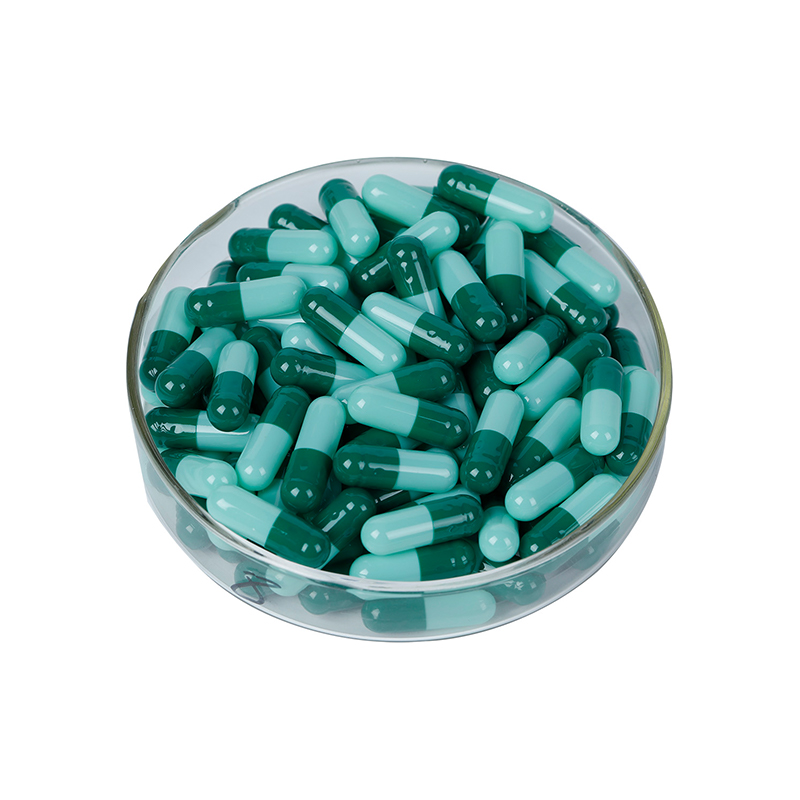
Softgel examples fall into a handful of recognizable groups based on what fills the shell. The table below lists the most common product categories, a representative example of each, and the general fill viscosity that manufacturers plan around.
| Fill Category | Representative Example | Typical Fill Viscosity | Common Shell Tint |
|---|---|---|---|
| Marine oils | Fish oil, krill oil | Low to medium | Amber or clear |
| Fat-soluble vitamins | Vitamin E, vitamin D3 | Low | Clear or pale yellow |
| Plant and seed oils | Flaxseed oil, evening primrose oil | Low to medium | Amber |
| Oil-soluble actives | CoQ10, astaxanthin | Medium | Opaque or dark tint |
| Suspensions | Garlic oil pearls, beta-carotene beadlets in oil | Medium to high | Opaque |
Astaxanthin and beta-carotene fills usually get an opaque shell because both actives are light sensitive, and an opaque or dark-tinted gelatin capsule shell slows the oxidation that daylight would otherwise cause. Clear shells are reserved for fills that are stable in light, such as plain vitamin E oil, since the transparency itself becomes a selling point that shows the fill quality inside.
Nearly all commercial softgels, regardless of what example you pick off a shelf, are produced on a rotary die encapsulation machine. The process turns molten gelatin and a metered fill into a finished, sealed capsule in a continuous line rather than as separate filling and closing steps.
This is the same basic sequence whether the finished example is a large fish oil softgel meant to be swallowed whole or a small vitamin D3 pearl designed to be bitten and the oil released directly. The die roll engraving is what changes the shape and print, not the underlying process.
The base formula for a standard gelatin capsule shell used in softgel production breaks down roughly as follows on a dry-weight basis, before water is added to form the gel mass used on the encapsulation line.
| Component | Typical Share | Role In The Shell |
|---|---|---|
| Gelatin | 60 to 90 percent | Structural film former |
| Glycerin or sorbitol | 10 to 35 percent | Plasticizer for flexibility |
| Opacifier, commonly titanium dioxide | Under 2 percent | Blocks light, hides fill color |
| Colorants | Under 1 percent | Brand identity, product differentiation |
Buyers sourcing gelatin capsule shells for softgel lines generally specify bloom strength, viscosity at a set temperature, moisture content, and ash content on the raw gelatin, since these four values predict most of how the material will behave on a rotary die machine. A shell running consistently at 180 bloom with a stable viscosity window tends to produce fewer leakers and a more even seam than gelatin with wide batch-to-batch variation.
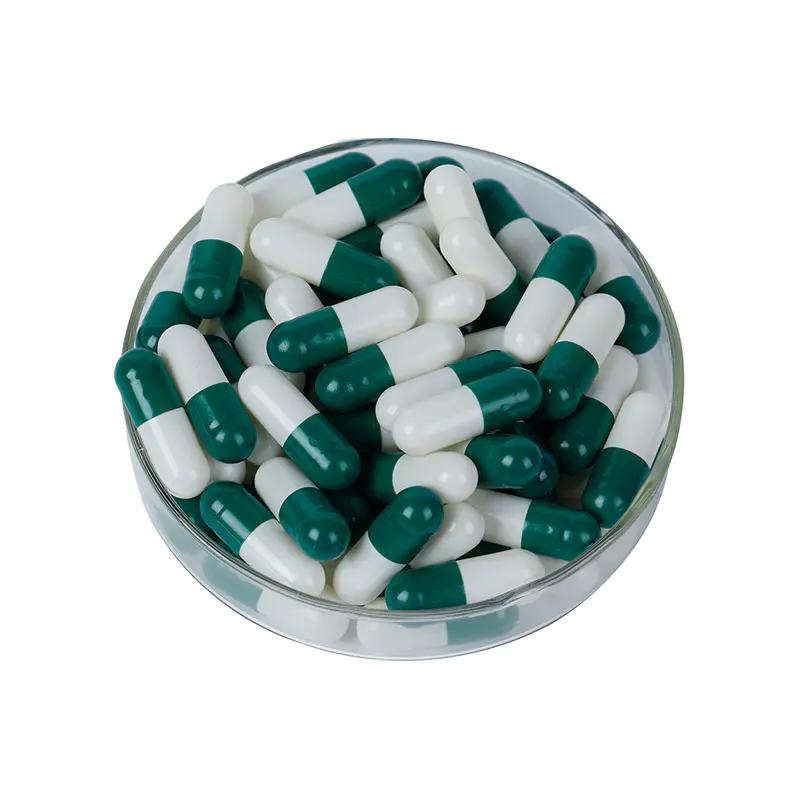
People searching for an example of a soft gel often want to know how it differs from the more familiar two-piece hard capsule. The table below lines up the two formats side by side.
| Feature | Softgel | Hard Gelatin Capsule |
|---|---|---|
| Shell pieces | One piece, formed and sealed together | Two pieces, cap and body |
| Typical fill | Liquid, oil, paste, suspension | Powder, granules, pellets |
| Production method | Rotary die, one continuous step | Dip molding, then separate filling |
| Shell feel | Soft, slightly flexible | Rigid, brittle if dried out |
| Seam | Fused center seam, fully sealed | Overlapping cap and body, not fused |
Because the softgel shell is fused rather than simply overlapped, it holds liquid fills without leaking, which is the main reason oily and liquid actives almost always end up in a soft gel rather than a hard capsule format.
Die rolls can be engraved to produce a wide range of softgel shapes, and the shape itself is often chosen for branding as much as function. Common shapes include:
Softgel size is described by fill volume in minims, with common production sizes ranging from roughly 3 minims for a small single-drop pearl up to 20 minims or more for a large fish oil capsule. A 20-minim oval is a familiar large example, holding close to 1.2 milliliters of oil, while a 5-minim round pearl holds a small fraction of that volume and is easy to bite and swallow the fill directly.
Shell color is built from food-grade colorants blended directly into the gelatin mass before ribbon casting, giving a uniform tint through the entire shell rather than a surface coating. Manufacturers commonly pick amber or brown tones for oxidation-sensitive oils, bright colors for brand recognition on multivitamin lines, and clear, uncolored shells when the fill color itself is part of the product story.
Softgel capsules show up well beyond the vitamin aisle. The format is chosen anywhere a liquid or oil-based fill needs a stable, single-dose, easy-to-handle unit.
This is the largest category by volume, covering omega-3 fish oil, krill oil, vitamin E, vitamin D3, CoQ10, garlic oil, evening primrose oil, and blended oil formulas. The oil-based fill in each case is exactly why the softgel format was chosen over a powder-filled hard capsule.
Single-use softgel pearls are used in some cosmetic lines to deliver a metered dose of serum or oil, letting a user twist off the tip and apply the contents directly rather than pouring from a bottle.
Outside of consumer supplement lines, the same rotary die technology is used to encapsulate certain single-dose liquid chemicals, flavor concentrates, and fragrance oils where a precise, sealed, single-dose unit simplifies handling and dosing compared to a bulk liquid container.
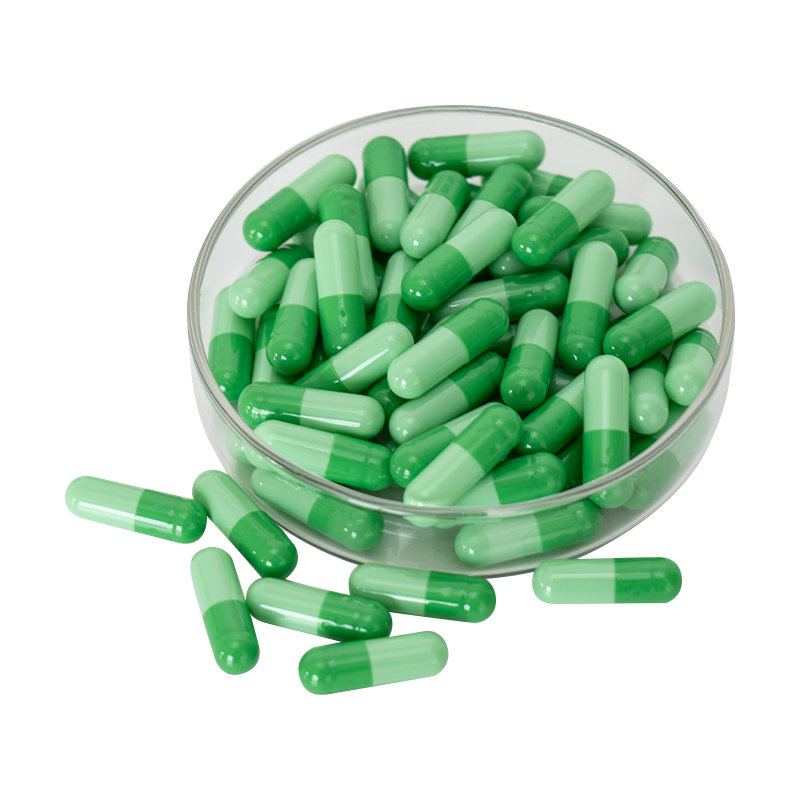
Softgel shells are more sensitive to temperature and humidity than many people expect. A gelatin capsule shell that sits in a hot, dry environment will lose moisture and can become brittle, while one stored in a humid environment can pick up moisture, soften, and stick together. Most manufacturers target a storage environment between roughly 15 and 25 degrees Celsius and 35 to 45 percent relative humidity for both the finished capsules and the bulk gelatin material before processing.
Oxidation of the fill is a second concern that is separate from the shell itself. Fish oil and other polyunsaturated oil fills oxidize faster in light and heat, which is why amber or opaque shells and nitrogen-flushed packaging are common choices for these products even before the shell composition is considered.
Selecting a softgel format starts with the fill, not the shell. A low-viscosity oil like plain fish oil works well in a standard oval shell with a fused seam, while a thicker suspension with beadlets or particulates needs a slightly heavier shell and a slower encapsulation speed to avoid uneven seams. Buyers sourcing shells or finished softgels typically confirm four things before committing to a run:
Getting these four variables right at the sourcing stage is what separates a softgel batch that seals cleanly and stores well from one that develops leakers, uneven seams, or shell softening after a few months on the shelf.
A plain fish oil capsule is the simplest and most common example. It is a single oval gelatin shell sealed around a liquid fish oil fill, with no powder or dry ingredient involved.
Not exactly. Gelatin capsule is a broader term that covers both the two-piece hard capsule and the one-piece softgel, since both are commonly made from gelatin. A softgel is one specific type of gelatin capsule, defined by its one-piece, fused-seam construction.
Yes. Plant-based softgel shells built from carrageenan, modified starch, or pullulan are available for buyers who need a non-animal shell, though they run at different temperatures and moisture settings on the encapsulation line compared to standard gelatin.
Opaque shells, usually made with titanium dioxide as the opacifier, block light from reaching a fill that oxidizes quickly, such as astaxanthin or beta-carotene. Clear shells are reserved for fills that are stable when exposed to light.
Size is set by the required fill volume, measured in minims, and by how large a capsule a person can comfortably swallow. Production sizes commonly range from about 3 minims for a small pearl to 20 minims or more for a large oval capsule.
Generally yes, because the fused gelatin shell is thin and the fill is already in liquid or semi-liquid form, so there is less material for digestive fluid to break down compared to a compacted powder fill in a hard capsule.
A hard capsule is two overlapping pieces rather than a fused shell, so a liquid fill can seep out at the join over time. The fused seam on a softgel is specifically what allows it to hold liquid and oil fills reliably.
Your email address will not be published. Required fields are marked *
If you would like to learn more about our products, please feel free to contact us and we will do our to assist you.
Copyright © Shaoxing Zhongya Capsule Co., Ltd. High Quality Empty Capsule Manufacturers Wholesale Transparent Empty Capsule Factory
All Rights Reserved.

