 English
 中文简体
中文简体 русский

Product Consultation
Your email address will not be published. Required fields are marked *

Content
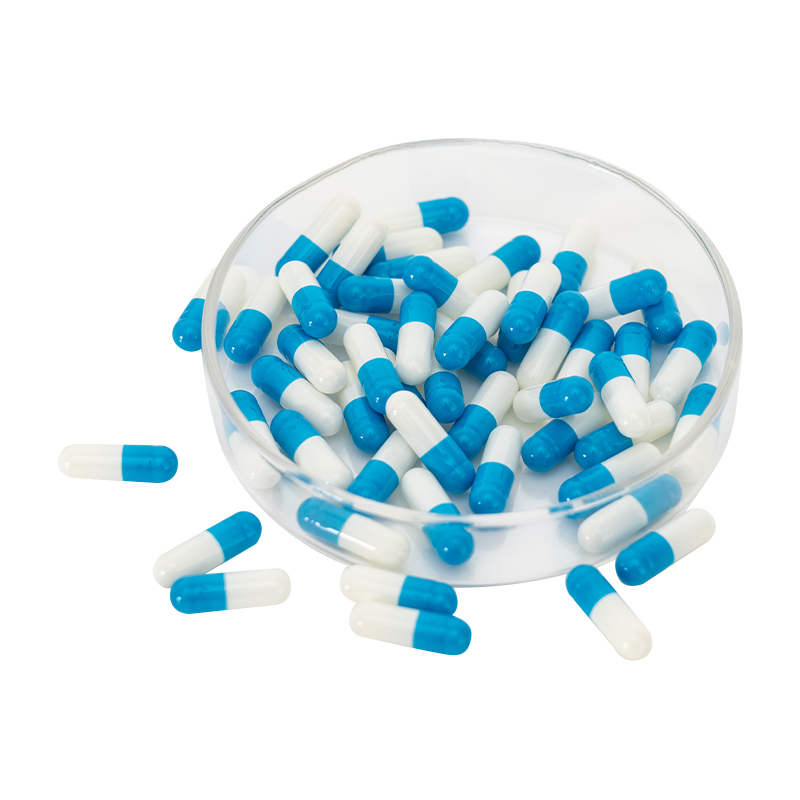
Hypromellose, also called HPMC (hydroxypropyl methylcellulose), is used as a binder, film former, thickener, and controlled-release agent across pharmaceuticals, food, cosmetics, and building materials. In medicine specifically, its two biggest jobs are forming the shell of an HPMC capsule and coating or holding together tablets so a drug releases at the right speed. Outside of pharma, it thickens eye drops, keeps mortar workable, and stabilizes sauces and baked goods without adding animal-derived material.
In plain terms: if a product needs something plant-based that can gel, coat, bind, or slow down how fast a substance dissolves, hypromellose is very likely the ingredient doing that work. It is one of the few excipients that performs well in solid dosage forms, liquid formulations, semi-solid gels, and dry building compounds all at once, which is part of why it has stayed a default choice across so many unrelated industries for decades.
The rest of this guide breaks down exactly how hypromellose works in each of those settings, why capsule manufacturers moved toward HPMC shells in the first place, how viscosity grade changes performance, and what to check before sourcing hypromellose or finished HPMC capsules for a production line.
Hypromellose is a semi-synthetic polymer made from plant cellulose, usually wood pulp or cotton linters. Manufacturers treat purified cellulose with sodium hydroxide to make it reactive, then react it with methyl chloride and propylene oxide. That step swaps some of the hydroxyl groups on the cellulose chain for methoxy and hydroxypropyl groups, which is what turns plain cellulose into a water-soluble, film-forming polymer.
The result is a white to off-white powder that is odorless, essentially tasteless, and dissolves into a smooth, viscous solution in cold water while staying insoluble in most organic solvents. That single property, controllable viscosity in water, is why hypromellose shows up in so many unrelated industries. A low-viscosity grade behaves almost like a light coating varnish; a high-viscosity grade behaves more like a slow-dissolving gel matrix.
Producing hypromellose generally follows four stages. First, cellulose is purified from wood pulp or cotton fiber to remove lignin and other impurities. Second, the purified cellulose is alkalized with sodium hydroxide, which swells the fiber and exposes hydroxyl groups so they can react. Third, the alkalized cellulose undergoes etherification, where methyl chloride introduces methoxy groups and propylene oxide introduces hydroxypropyl groups along the polymer backbone. Fourth, the crude product is washed to remove salt byproducts, then dried and milled to a controlled particle size and viscosity grade.
The ratio of methoxy to hydroxypropyl substitution, known as the degree of substitution, is what separates one hypromellose type from another. Small changes to that ratio shift the temperature at which the polymer gels, how quickly it hydrates in water, and how it interacts with different active ingredients or fillers.
Two products both labeled "hypromellose" can behave completely differently depending on their degree of substitution and molecular weight. A formulator choosing hypromellose is really choosing a viscosity number and a substitution pattern, not just an ingredient name. That is the detail buyers of HPMC capsules and film coatings should always confirm before committing to a supplier.
Commercial hypromellose is typically sold under several brand families, each covering a range of viscosity grades measured in a 2 percent aqueous solution at a fixed temperature. Buyers comparing suppliers should ask for that exact viscosity figure rather than relying on marketing terms like "standard" or "premium" grade, since those labels are not standardized across the industry.
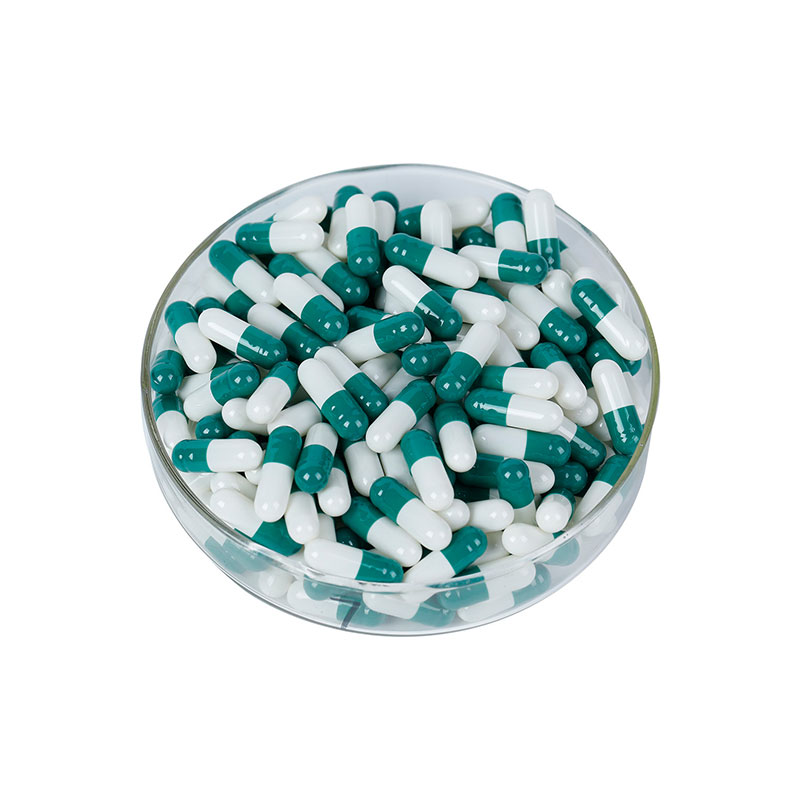
Traditional capsule shells were made almost entirely from animal gelatin. Hypromellose changed that. An HPMC capsule is a two-piece shell made from hypromellose, water, and a gelling agent, formed on the same dip-molding lines used for gelatin capsules but without any animal-derived raw material. That single substitution solves several practical problems at once.
Manufacturers dissolve hypromellose in hot water along with a secondary gelling agent such as carrageenan or gellan gum, since hypromellose alone gels too slowly for efficient high-speed dipping. Stainless steel pins are dipped into this warm solution, pulled out, rotated to spread the film evenly, then cooled and dried in a controlled tunnel. The dried film is stripped from the pins, trimmed to length, and joined into cap and body sections that snap together to form the finished shell. The entire process mirrors gelatin capsule production closely enough that most contract manufacturers can switch between the two shell types on the same equipment with only minor adjustments.
HPMC capsules disintegrate through a slightly different mechanism than gelatin. Gelatin shells rely on enzymatic breakdown as much as moisture penetration, while HPMC shells break down primarily through hydration and swelling. In practice this means HPMC capsules can offer more consistent disintegration behavior across people with different digestive conditions, which is one reason they are frequently chosen for probiotic, enzyme, and herbal extract products where dissolution timing is closely tied to product performance claims.
Because of these properties, HPMC capsules have become the default choice for nutraceutical brands, probiotic and enzyme supplements, and any formulation where the finished product needs to say "plant-based" or "vegetarian" on the label without qualification.
Inside a tablet, hypromellose most commonly does one of three jobs: it binds powder into a compressible mass, it forms the thin protective film coating on the outside, or it builds the hydrophilic matrix that controls how fast the active ingredient is released. Hypromellose-based hydrophilic matrix tablets have been used in oral controlled-release formulations for more than six decades, which is one reason it remains a default choice rather than a newer, less proven alternative.
During wet granulation, a hypromellose solution is sprayed onto a powder bed to bind individual particles into larger granules. Those granules flow more consistently through tableting equipment and compress into tablets with better hardness and lower friability than loose powder alone would produce.
A thin hypromellose film coats the tablet surface to mask taste, make swallowing easier, and protect the core from moisture and light, without slowing down how quickly the tablet breaks apart in the stomach. This type of coating typically adds only a small percentage to total tablet weight, so it does not meaningfully change how fast the drug becomes available.
Higher-viscosity hypromellose grades swell into a gel layer when they contact fluid. That gel layer slows down water penetration and drug diffusion, which is how a single daily tablet can release medication steadily over many hours instead of all at once. As the outer gel layer fully hydrates, it slowly erodes away, exposing a fresh gel layer underneath, which keeps the release rate relatively steady across the dosing period rather than tapering off sharply.
For drugs that are poorly soluble in water, formulators sometimes disperse the active ingredient in an amorphous, non-crystalline state within a hypromellose matrix produced by hot-melt extrusion or spray drying. Hypromellose helps keep the drug from recrystallizing during storage, which preserves the faster dissolution rate that the amorphous form provides compared to the drug's normal crystalline structure.
In lubricating eye drops and artificial tears, hypromellose acts purely as a viscosity modifier. It thickens the solution just enough that it spreads into a thin, even film across the eye surface and stays there longer than water alone would, which is why these products help relieve the gritty, dry feeling associated with reduced tear film stability.
Hypromellose is added to some contact lens rewetting and multipurpose solutions to add lubricity and reduce friction between the lens and the eyelid, which can make lenses more comfortable to wear for longer stretches of the day.
The same viscosity-building property is used in contact lens solutions and surgical viscoelastic aids, where hypromellose provides temporary lubrication and cushioning during and after eye procedures. Its clear, non-irritating film also makes it a common carrier base for other ophthalmic active ingredients that need to stay in contact with the eye surface long enough to take effect.
Because hypromellose is odorless, tasteless, and considered physiologically harmless as a food ingredient, it turns up far outside the pharmacy shelf.
In food production, hypromellose works as an emulsifier, thickener, dough strengthener, color stabilizer, and coating on baked goods, sauces, and plant-based meat alternatives, where it also helps mimic the fat-like mouthfeel of animal products. Bakers also use it to reduce oil absorption in fried batters, since the film it forms slows down how much oil the coating soaks up during frying.
In lotions, gels, and shampoos, hypromellose thickens the formula and helps stabilize the mix of oil and water phases without leaving a greasy residue. It is also used in some clear gel formulations because it dissolves into a transparent solution rather than a cloudy one, which matters for products marketed on their clarity.
In tile adhesives, cement renders, and gypsum-based mortars, hypromellose improves water retention and workability, giving installers more open time to adjust tiles or plaster before the mix sets. It also reduces sagging in vertical applications like wall renders, helping the wet mix stay in place rather than sliding down the surface before it cures.
Hypromellose also appears as a thickener and film former in some paint formulations, agricultural sprays, and adhesive products, wherever a water-soluble film-forming polymer with adjustable viscosity is useful.
Hypromellose is one member of a broader family of cellulose ethers, and it is often confused with its close relatives. Understanding how it differs helps explain why formulators pick it over similar-sounding alternatives for specific jobs.
Hypromellose is generally well tolerated because it passes through the digestive system largely intact, is not absorbed into the bloodstream in meaningful amounts, and does not react chemically with most active ingredients. This inert behavior is a large part of why it has been used across pharmaceutical, food, and cosmetic products for so long without significant tolerability concerns being raised.
Because it is plant-derived, hypromellose also avoids concerns some consumers have around animal-sourced ingredients, and its lack of taste or odor means it rarely affects the sensory experience of the finished product, whether that product is a capsule, a tablet coating, or a food item.
Buyers choosing between shell types are usually weighing source material, moisture behavior, and label claims rather than price alone. The table below breaks down the practical differences.
| Property | HPMC Capsule | Gelatin Capsule |
|---|---|---|
| Source material | Plant cellulose | Animal collagen |
| Suitable for vegetarian or vegan claims | Yes | No |
| Moisture content | Lower, typically drier shell | Higher, more moisture-sensitive |
| Performance in hot, humid storage | More stable | Can soften or stick |
| Cross-linking risk over time | Very low | Possible with aging or reactive fills |
| Disintegration mechanism | Hydration and swelling | Hydration plus enzymatic breakdown |
| Typical use case | Probiotics, enzymes, herbal blends, halal or kosher lines | General-purpose supplements and drugs |
Suppliers typically offer hypromellose across a range of viscosity grades, measured in a 2 percent aqueous solution. Picking the right one is the difference between a capsule shell that seals cleanly and a coating that dissolves at the wrong speed.
| Viscosity Range | Typical Behavior | Common Application |
|---|---|---|
| Low | Thin, fast-dissolving film | Tablet film coating, taste masking |
| Medium | Moderate gel strength, flexible shell | HPMC capsule shells, mortar additives |
| High | Thick, slow-hydrating gel matrix | Sustained-release tablets, thick lubricating gels |
A formulator working on a slow-release painkiller and one working on a quick-dissolving vitamin tablet may both use hypromellose, yet reach for completely different grades of it. This is also why viscosity data should always be requested as an exact number rather than assumed from a product name or brand family.
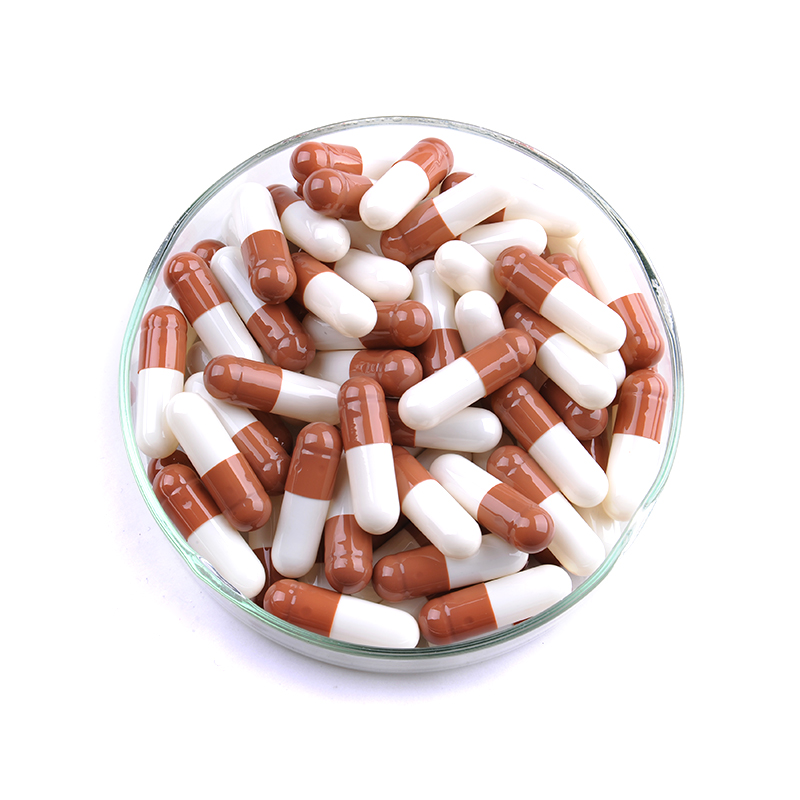
Demand for plant-based capsule shells keeps climbing as more supplement and drug brands move toward vegetarian and animal-free labeling. At the same time, formulators are pushing hypromellose into newer manufacturing methods such as hot-melt extrusion, 3D-printed dosage forms, and electrospun fibers, using it to inhibit crystallization in amorphous drug formulations and to build oral films that dissolve directly in the mouth.
Continuous manufacturing, where powders are blended, granulated, and compressed in one uninterrupted process rather than in separate batches, is also becoming more common in pharmaceutical production. Hypromellose's predictable flow and binding behavior make it well suited to these continuous lines, since consistent material properties matter even more when a process runs without the natural break points that batch manufacturing provides.
Because hypromellose is compatible with such a wide range of active ingredients and processing techniques, it is likely to remain a first-choice excipient even as drug delivery technology continues to change.
Yes. Hypromellose and hydroxypropyl methylcellulose (HPMC) refer to the same cellulose ether polymer; the two names are used interchangeably across pharmaceutical, food, and construction industries.
An HPMC capsule shell is made from plant-derived hypromellose instead of animal gelatin, which makes it suitable for vegetarian, vegan, halal, and kosher products while offering lower moisture content and better stability in humid conditions.
Yes. Hypromellose is used in food as a thickener, emulsifier, dough strengthener, color stabilizer, and coating agent, and is also used to give plant-based meat alternatives a more fat-like texture, and to reduce oil uptake in fried batters.
Hypromellose thickens eye drop solutions so they spread into an even film and stay on the eye surface longer than water alone, helping ease dryness and irritation.
Dissolution speed depends more on the specific grade and formulation than on the shell material alone, but HPMC capsules generally show more consistent dissolution over long-term storage since they are not prone to the cross-linking that can slow gelatin shells as they age.
No. Hypromellose is a semi-synthetic polymer made entirely from plant cellulose, typically sourced from wood pulp or cotton, with no animal-derived material involved in its production.
Methylcellulose only carries methoxy substitution, while hypromellose carries both methoxy and hydroxypropyl groups. That extra hydroxypropyl substitution raises the gel point of hypromellose, making it more stable at typical storage and body temperatures, which is one reason it is favored over plain methylcellulose for capsule shells.
Viscosity grade determines how thick a hypromellose solution is at a given concentration, which directly controls film thickness, gel strength, and how fast a coating or matrix hydrates. Choosing the wrong grade can cause a coating to crack, a capsule shell to be too brittle, or a controlled-release tablet to release its drug too quickly or too slowly.
Yes. Hypromellose is frequently blended with other cellulose derivatives, gums, or polymers to fine-tune gel strength, flexibility, or release rate, and its non-ionic nature makes it broadly compatible with a wide range of other formulation ingredients.
Your email address will not be published. Required fields are marked *
If you would like to learn more about our products, please feel free to contact us and we will do our to assist you.
Copyright © Shaoxing Zhongya Capsule Co., Ltd. High Quality Empty Capsule Manufacturers Wholesale Transparent Empty Capsule Factory
All Rights Reserved.

