
 English
 中文简体
中文简体 русский
Product Consultation
Your email address will not be published. Required fields are marked *

Content
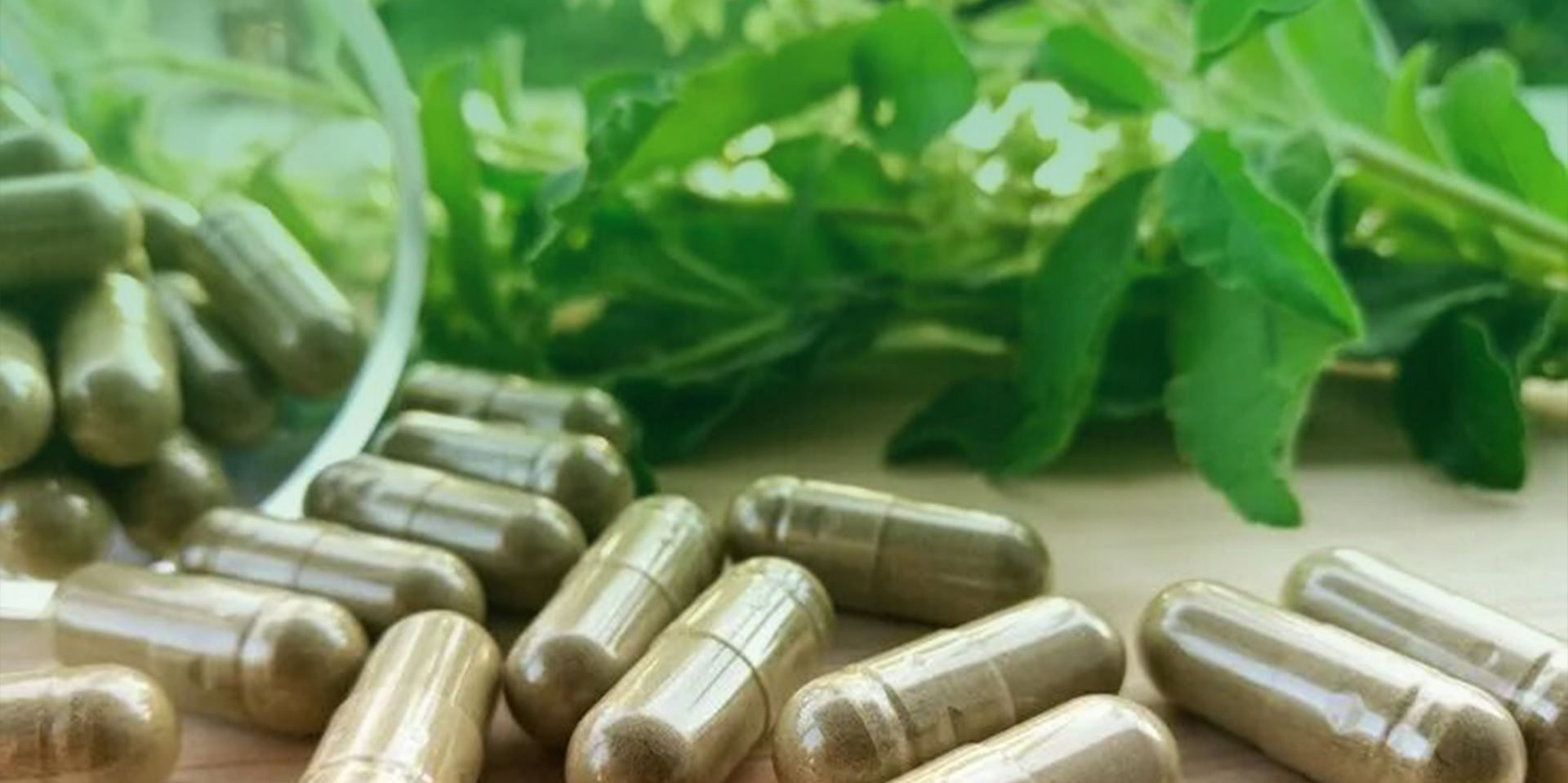
Medicine capsules are made primarily from one of three film-forming materials: gelatin, HPMC (hydroxypropyl methylcellulose), or pullulan. Gelatin capsules are derived from animal collagen, usually sourced from bovine or fish skin and bone, while HPMC and pullulan capsules are plant-based, which is why HPMC shells are widely marketed as a Natural empty capsule option for vegetarian and halal-friendly formulations. Every capsule shell also contains a small percentage of water, a plasticizer or gelling aid, and occasionally a coloring agent or opacifier such as titanium dioxide, though many manufacturers now offer uncolored, additive-light shells for buyers who prefer a cleaner ingredient list.
Beyond the base polymer, the exact composition of a capsule shell shifts depending on the intended fill, storage climate, and target market. A capsule destined for a moisture-sensitive probiotic will use a different moisture profile than one designed for a fish oil softgel or a dry herbal powder. Understanding these material differences is useful for anyone sourcing capsules for supplement production, pharmaceutical repackaging, or private-label manufacturing, because the shell material affects dissolution speed, shelf stability, and compatibility with vegetarian or religious dietary requirements.
Gelatin has been the standard capsule material for more than a century. It is produced by hydrolyzing collagen extracted from animal skin, connective tissue, and bones, most commonly from cattle or pigs, with fish-derived gelatin used for kosher and halal-sensitive markets. Gelatin shells form a strong, flexible film that seals tightly, dissolves quickly in the stomach, usually within 10 to 15 minutes, and holds fine powders, pellets, granules, and even liquid or semi-solid fills without leaking. Because of its rapid dissolution, gelatin remains the preferred choice for fast-acting supplements and many prescription medicines.
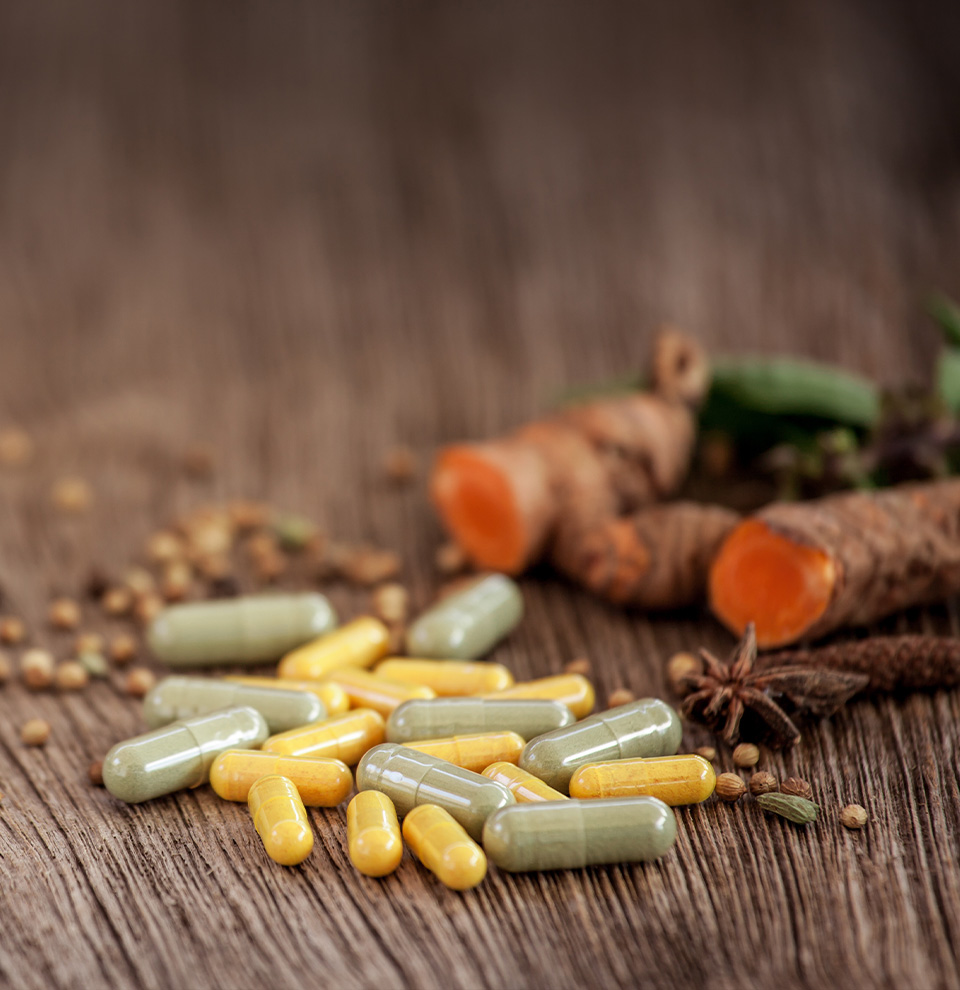
HPMC is a cellulose derivative obtained from plant fiber, typically pine or cotton pulp, which is chemically modified to create a film-forming polymer. Because it contains no animal material, HPMC shells are the most common form of Natural empty capsule sold to supplement brands targeting vegetarian, vegan, and religious-observant consumers. HPMC capsules have a lower moisture content than gelatin, roughly 4 to 6 percent compared with gelatin's 13 to 16 percent, which makes them noticeably more stable for hygroscopic powders, probiotics, and botanical extracts that would otherwise degrade inside a moist gelatin shell.
Pullulan is a water-soluble polysaccharide fermented from starch by the fungus Aureobasidium pullulans. It produces an extremely low-oxygen-permeability film, which slows oxidation of sensitive actives such as omega-3 concentrates, probiotics, and certain vitamins. Pullulan capsules are the most expensive of the three mainstream options and are typically reserved for premium supplement lines where oxygen barrier performance justifies the added cost.
| Material | Source | Moisture Content | Dissolution Speed | Best For |
|---|---|---|---|---|
| Gelatin | Bovine, porcine, or fish collagen | 13 to 16 percent | Fast, 10 to 15 minutes | General supplements, fast-release medicines |
| HPMC | Pine or cotton cellulose | 4 to 6 percent | Moderate, 15 to 25 minutes | Vegetarian, halal, moisture-sensitive fills |
| Pullulan | Fermented starch polysaccharide | 10 to 12 percent | Moderate, 15 to 20 minutes | Oxygen-sensitive premium actives |
Regardless of material, the industrial process for making an empty capsule shell follows the same basic sequence, refined over decades of pharmaceutical-grade production.
A single production line can produce well over 30,000 capsules per hour, and the entire process, from dipping to final joining, typically runs for around 45 minutes per batch. Wall thickness is monitored constantly, since a shell that is too thin risks cracking during filling and transport, while one that is too thick slows disintegration in the body.
A finished capsule is rarely 100 percent gelatin, HPMC, or pullulan. Several supporting ingredients are blended in during production to give the shell the right texture, appearance, and shelf life.
Buyers who want the simplest possible ingredient declaration for clean-label supplement lines often request a Natural empty capsule made only from HPMC, water, and a plant-based gelling agent, with no added colorants or opacifiers, resulting in a translucent, additive-light shell.
Because capsule shells are ingested, their raw material matters a great deal to buyers formulating for specific dietary or religious markets.
Gelatin, being animal-derived, is not suitable for vegetarian or vegan labeling. HPMC and pullulan are both plant or fermentation based, which is why the term Natural empty capsule is used almost interchangeably with vegetarian capsule in supplement sourcing conversations.
Bovine and porcine gelatin can raise sourcing questions for halal and kosher buyers depending on the slaughter method and animal source, while fish gelatin is generally more acceptable across a wider range of dietary practices. HPMC sidesteps the question entirely since it contains no animal tissue at all, which is why many manufacturers exporting to the Middle East, Southeast Asia, and South Asia default to HPMC shells for new product lines.
Some consumers with shellfish or fish sensitivities specifically avoid fish-derived gelatin, and some formulators avoid bovine gelatin due to regional sourcing concerns after historical BSE (bovine spongiform encephalopathy) scares in cattle. These concerns pushed much of the global nutraceutical industry toward plant-based HPMC over the past two decades.
Choosing a capsule material is not only about dietary labeling. It has a direct, measurable effect on how the finished product behaves on the shelf and in the body.
| Factor | Gelatin | HPMC |
|---|---|---|
| Hygroscopic powder compatibility | Can transfer moisture into or out of the fill | Low moisture exchange, better stability |
| Performance in hot, humid climates | Softens and sticks more easily | Holds shape better in high humidity |
| Brittleness in dry, cold climates | More prone to cracking when very dry | More resistant to brittleness |
| Typical raw material cost | Lower | Moderately higher |
Because HPMC shells hold up better during long-distance shipping and storage in warehouses without climate control, many exporters supplying tropical or humid destinations request HPMC over gelatin even when there is no vegetarian requirement at all, purely for logistics and stability reasons.

When deciding which shell material fits a formulation, buyers typically weigh four questions before placing an order.
Many contract manufacturers now stock both gelatin and HPMC in standard sizes 00 through 4, along with color and clear options, so brands can test both materials with a small trial batch before committing to a full production run.
The two-piece capsule shell was first patented in the 1830s by a French pharmacist and his colleague, who were looking for a way to mask the unpleasant taste of powdered medicine while making dosing more consistent. Early shells were hand-dipped, one at a time, from gelatin solutions and dried in open air, a slow and inconsistent process compared with modern manufacturing. By the early 1900s, automated dipping machines had replaced hand production, and gelatin capsules became the standard delivery format for both prescription drugs and early nutritional supplements throughout North America and Europe.
HPMC shells did not appear commercially until the late twentieth century, developed specifically to answer rising demand from vegetarian consumers, halal and kosher markets, and formulators working with moisture-sensitive actives that gelatin could not protect. Within roughly two decades, HPMC grew from a niche specialty product into one of the two dominant capsule materials used across the global supplement and pharmaceutical industry, a shift that continues to accelerate as more brands market their products as plant-based from raw material through to the shell itself.
Pullulan capsules entered the market even later, developed in Japan from fermented tapioca or corn starch, and were positioned from the start as a premium option for oxygen-sensitive formulations rather than as a mass-market alternative to gelatin or HPMC. Today, all three materials coexist, each serving a distinct segment of the supplement and pharmaceutical supply chain rather than competing head-to-head for every order.
Capsule shells are manufactured in a standardized range of sizes, and choosing the correct size is just as important as choosing the correct material, since an undersized capsule wastes production time on double-filling while an oversized capsule may be difficult for consumers to swallow.
| Size | Approximate Volume | Typical Use |
|---|---|---|
| 000 | Approximately 1.36 ml | Large veterinary and bulk herbal doses |
| 00 | Approximately 0.95 ml | High-dose multivitamins and protein blends |
| 0 | Approximately 0.68 ml | General vitamin and herbal supplements |
| 1 | Approximately 0.50 ml | Standard supplement and prescription fills |
| 2 | Approximately 0.37 ml | Smaller-dose supplements and pet products |
| 3 | Approximately 0.30 ml | Compact single-ingredient doses |
| 4 | Approximately 0.21 ml | Small children-oriented or low-dose fills |
Because gelatin and HPMC shells are produced on the same pin-mold equipment, the outer dimensions for a given size number are effectively interchangeable between the two materials, which means a formulator can typically switch from a gelatin size 1 to an HPMC size 1 without redesigning packaging or filling equipment.
Beyond the base material, buyers frequently request customization to differentiate their finished product on retail shelves or to help patients distinguish between different medications.
Capsule caps and bodies can be produced in matching or contrasting colors, giving brands a two-tone shell, such as a white body paired with a green cap, which is often used to signal a specific product line or dosage strength across a supplement catalog.
Clear shells, produced without opacifiers, allow the color and texture of the powder or pellet fill to show through, which many clean-label brands prefer because it visually reinforces a natural, minimally processed positioning, especially when paired with a Natural empty capsule HPMC base.
Capsule shells can also be imprinted with a logo, product code, or dosage strength using food-grade or pharmaceutical-grade ink, applied by offset printing equipment after the shells are joined and polished. This is common for prescription products where distinguishing pill identity quickly is important, and increasingly popular for premium supplement brands that want shelf-level differentiation without relying solely on external packaging.

Because both gelatin and HPMC shells are sensitive to environmental humidity and temperature, correct storage extends usable shelf life and prevents costly production defects.
Filling facilities that run multiple shifts often condition their production rooms to a target humidity band specifically so that capsule shells behave consistently on automated filling machines, since even small swings in ambient moisture can change how easily caps and bodies lock together during high-speed filling.
Capsules are one of three dominant oral dosage formats, alongside compressed tablets and one-piece softgels, and each format suits different fill types and manufacturing goals.
| Format | Fill Type | Production Complexity | Customization Options |
|---|---|---|---|
| Two-piece capsule | Powder, pellets, granules, some liquids | Moderate, no compression needed | Wide color, size, and shell material range |
| Compressed tablet | Dry powder blends, binders required | Higher, requires binders and compression tooling | Shape, coating, and embossing options |
| Softgel | Oils and liquid suspensions | High, requires specialized encapsulation lines | Limited shape and size flexibility |
Two-piece capsules remain popular with contract manufacturers specifically because they accept a wider range of raw powders without requiring binders, flow agents, or compression tooling changes between different formulations, which shortens changeover time on a shared production line.
Cracking is most often linked to storage humidity that is too low, causing the shell to lose flexibility and become brittle. Reconditioning stock in a properly humidified room before filling typically resolves the issue without any change to the raw material itself.
Capping refers to the cap separating slightly from the body during high-speed filling, usually caused by static buildup, incorrect machine timing, or a fill powder that is too fine and aerated. Adjusting machine speed and controlling electrostatic charge in the filling room generally resolves this without changing shell material.
Occasional spotting on the shell surface is generally linked to uneven drying temperature during manufacturing or prolonged exposure to direct light during storage, rather than to a defect in the base gelatin or HPMC itself. Buyers who notice recurring spotting should review storage conditions before assuming a material quality problem.
Capsules sticking together in storage is typically a sign of excess humidity or elevated storage temperature softening the shell surface. Moving stock to a cooler, drier storage area and separating affected batches usually restores normal handling.
Both gelatin and HPMC shells are biodegradable organic polymers, breaking down under normal composting or wastewater treatment conditions far more readily than synthetic plastic capsules used in some non-ingestible packaging contexts. HPMC, being a modified plant cellulose, is often highlighted by brands pursuing a broader sustainability narrative, since its raw material traces back to renewable pine or cotton pulp rather than animal byproducts, though gelatin itself is also generally considered a byproduct material rather than a purpose-grown resource, which some buyers view as an efficient use of existing meat industry output.
Packaging around the capsules, such as blister packs, bottles, and cartons, typically has a far larger environmental footprint than the capsule shell itself, so buyers focused on sustainability commonly look at the full packaging system rather than the shell material in isolation when evaluating the overall footprint of a finished supplement product.
Material preference varies noticeably by region, shaped by dietary culture, religious practice, and local manufacturing capacity.
For exporters producing private-label supplements for multiple regions from a single facility, keeping both gelatin and Natural empty capsule HPMC stock on hand allows a single production line to serve cost-sensitive and dietary-sensitive markets without retooling equipment between runs.
No. Gelatin capsules are animal-derived and not vegetarian, while HPMC and pullulan capsules are plant or fermentation based and suitable for vegetarian and vegan use. Always check the shell material listed on the product specification rather than assuming.
The term is generally used to describe a plant-based, additive-light HPMC shell made from cellulose, purified water, and a gelling agent, without synthetic colorants or animal-derived ingredients, marketed toward clean-label and vegetarian supplement brands.
Not exactly. Gelatin typically dissolves faster, often within 10 to 15 minutes in the stomach, while HPMC takes slightly longer, generally 15 to 25 minutes, because its cellulose structure breaks down more gradually.
Yes. A shell with higher moisture content, such as gelatin, can transfer moisture to a hygroscopic powder over time, while a lower-moisture HPMC shell tends to preserve potency better for moisture-sensitive ingredients like probiotics and certain botanicals.
Pullulan offers a stronger oxygen barrier, which benefits oxidation-prone actives, but it costs more per thousand capsules than HPMC. For most standard supplement powders, HPMC provides sufficient protection at a lower cost, and pullulan is reserved for premium formulations where oxidation is a specific concern.
Sizes 00, 0, 1, 2, 3, and 4 are the standard range, with size 00 holding the most powder volume and size 4 the least. Size 0 and 1 are the most common choices for general vitamin and herbal supplement fills.
Yes. Clear, uncolored shells made from either gelatin or HPMC are widely available and are often chosen for clean-label products or for brands that want the color of the powder inside to be visible through the shell.
Rigidity differences generally come down to shell material and residual moisture. HPMC shells tend to feel slightly firmer and less flexible than gelatin shells at the same wall thickness, which is simply a property of the cellulose polymer rather than a sign of a defect.
Typical disintegration occurs within 10 to 15 minutes for gelatin and 15 to 25 minutes for HPMC under standard stomach conditions, though the exact figure depends on shell wall thickness, fill density, and whether the capsule was taken with food.
Yes. Manufacturers routinely assign distinct cap and body colors to different dosage strengths or product variants within the same line, which helps both filling operators and end users distinguish between products at a glance.
HPMC shells are generally priced somewhat higher than standard gelatin shells due to more complex raw material processing and the added gelling agents required to help the cellulose set into a stable film, though the gap has narrowed as HPMC production has scaled globally.
Empty capsules typically only need to be brought to room temperature and stable humidity before filling, since shells that are too cold or too dry can behave inconsistently on automated equipment, leading to more capping or jamming during a production run.
Your email address will not be published. Required fields are marked *
If you would like to learn more about our products, please feel free to contact us and we will do our to assist you.
Copyright © Shaoxing Zhongya Capsule Co., Ltd. High Quality Empty Capsule Manufacturers Wholesale Transparent Empty Capsule Factory
All Rights Reserved.

