
 English
 中文简体
中文简体 русский
Product Consultation
Your email address will not be published. Required fields are marked *

Content
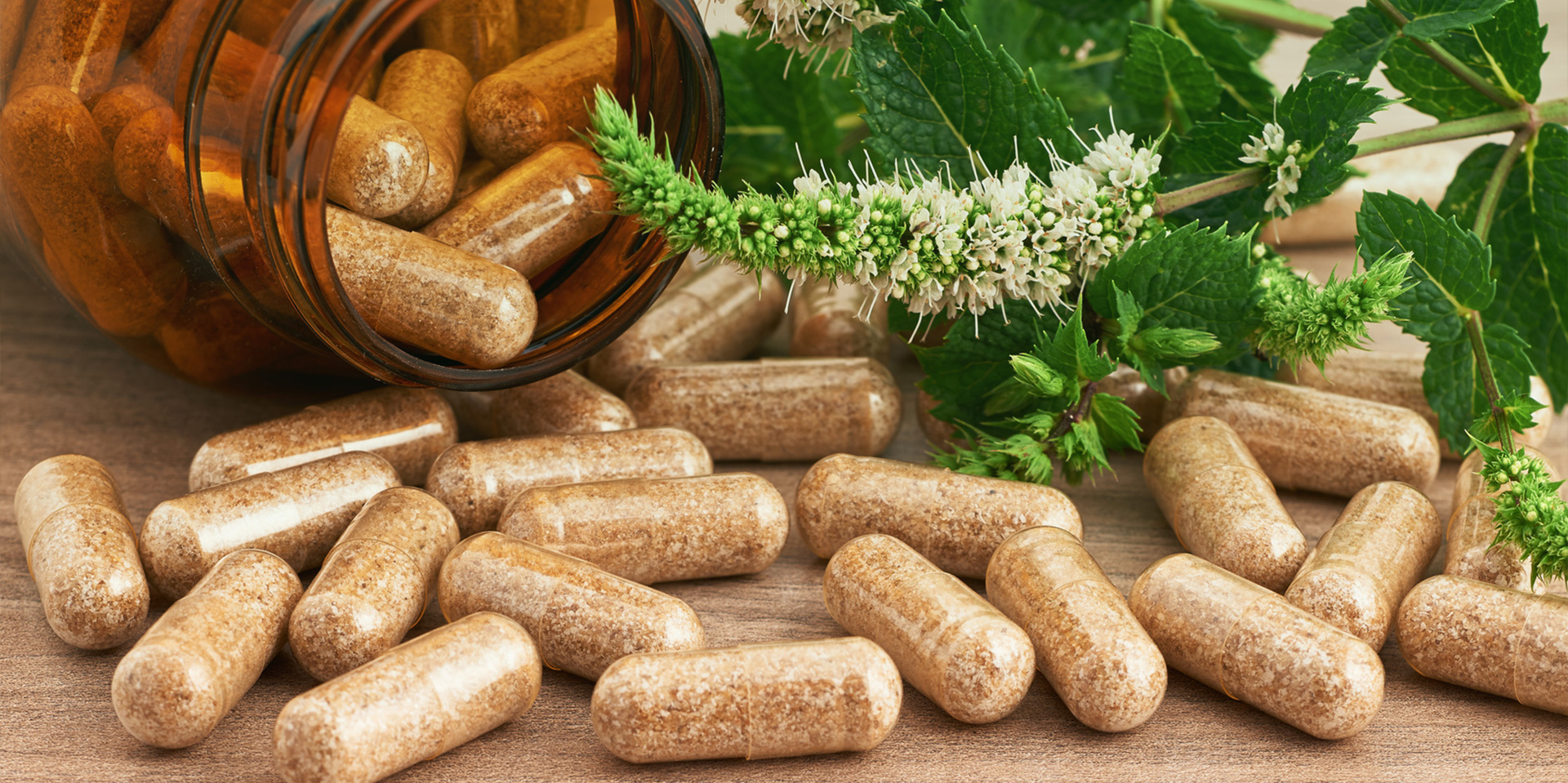
A tablet in medicine is a solid, single-unit dosage form made by compressing a precise blend of an active pharmaceutical ingredient (API) with functional excipients into a fixed shape, weight, and hardness. Each tablet is manufactured to deliver an exact, repeatable dose, which is why tablets remain the most widely produced oral dosage form across the pharmaceutical industry. Unlike liquids or powders, a tablet does not require measuring at the point of use, it is pre-measured at the point of manufacture, which reduces dosing error and simplifies storage, transport, and packaging.
Tablets are built from two functional layers of ingredients: the API, which produces the therapeutic effect, and the excipient system, which controls how the tablet is formed, how it breaks apart, and how the drug is released once swallowed. The ratio between these two groups varies enormously, from a few milligrams of API in a low-dose hormone tablet to several hundred milligrams of API in a high-dose analgesic, with excipients making up anywhere from 20 percent to over 80 percent of total tablet weight depending on the drug's potency and physical properties.
A finished tablet is also defined by a set of physical targets that manufacturing must hit consistently, batch after batch: a target weight, a target hardness, a target thickness, and a target disintegration or dissolution time. Meeting all four at once is what separates a tablet that performs predictably in the body from one that either fails to release its dose on schedule or falls apart before it ever reaches the patient.
Before mechanical compression existed, medicines were dispensed as hand-rolled pills, powders folded into paper, or liquid tinctures measured by the spoonful. Dosing accuracy depended entirely on the skill of the person preparing the dose, which meant the same prescription could vary significantly from one preparation to the next.
The shift toward compressed tablets began in the mid-1800s once mechanical punches and dies made it possible to compress powder into a uniform shape under repeatable pressure. This single innovation is what allowed medicine to move from a craft-based practice toward a manufacturing discipline, since a compressed tablet could be produced thousands of times over with the same weight and the same API content in every unit.
Over the following century, tablet technology layered on additional capabilities: sugar coating for taste masking, film coating for moisture protection, and eventually matrix and coating systems engineered to control exactly when and where the drug is released inside the digestive tract. Modern tablet manufacturing is now one of the most tightly controlled processes in industrial production, with weight, hardness, and dissolution monitored continuously rather than spot-checked at the end of a batch.
Tablet production follows one of three core routes, and the choice between them depends on the compressibility and moisture sensitivity of the API.
Powders with good natural flow and compressibility are blended and compressed directly, with no intermediate granulation step. This is the fastest and lowest-cost route, and it is preferred whenever the API is stable and free-flowing.
A liquid binder is used to bind fine powders into larger granules, which are then dried and milled before compression. This method is used for poorly compressible or low-density powders and remains the most common method across the industry.
Powders are compacted under high pressure into slugs or ribbons without any liquid, then milled into granules. This route suits moisture-sensitive or heat-sensitive APIs that cannot tolerate wet processing.
Whichever route is used, the final compression step happens on a rotary tablet press, where powder is fed into a die cavity and compressed between an upper and lower punch. Compression force typically ranges between 2 and 40 kilonewtons depending on tablet size and target hardness, and production speeds on modern rotary presses can exceed 1 million tablets per hour on high-output equipment.
The compression event itself happens in three overlapping stages inside the die. First, the powder bed rearranges as loose particles settle into a denser pack. Second, particles begin to deform and fracture at their contact points, creating new surface area that promotes bonding. Third, the compacted mass undergoes plastic or elastic deformation depending on the material, which is what ultimately locks the tablet into a coherent solid once pressure is released. A formulation that is too elastic will spring back after ejection and crack, a defect known as lamination, which is one reason preformulation testing on a compaction simulator is standard practice before a new tablet ever reaches full-scale production.
A rotary tablet press is built around a rotating turret that carries multiple sets of tooling, each set consisting of an upper punch, a lower punch, and a die. As the turret rotates, punches ride over fixed cam tracks that raise and lower them in a controlled sequence.
| Stage | What Happens |
|---|---|
| Filling | Powder or granules flow from a feed frame into the open die cavity |
| Weight Adjustment | The lower punch position sets the fill depth, which sets tablet weight |
| Compression | Upper and lower punches meet under controlled force to form the tablet |
| Ejection | The lower punch rises to push the finished tablet out of the die |
Tooling is machined to tight tolerances because even small variations in punch tip shape or die bore diameter show up directly as weight or hardness variation across a batch. Punch tip designs range from flat-faced to deeply cupped, and the shape directly affects how compression force is distributed through the powder bed. A shallow cup concentrates force differently than a deep cup, which is why a formulation validated on one tooling profile cannot simply be assumed to behave identically on another without re-testing.
Long before a tablet reaches the press, its performance is already being decided at the powder blending stage. Particle size distribution controls how a powder flows, how densely it packs, and how evenly the API disperses through the excipient bed.
Fine powders, generally below 50 micrometers, tend to have poor flow because interparticle forces such as van der Waals attraction and surface moisture dominate over gravity. Coarser granules flow more freely but risk segregating from finer API particles during transport and vibration, a phenomenon known as demixing. Both extremes threaten content uniformity, the requirement that every single tablet in a batch contains close to the same amount of API.
Formulators manage this balance through several levers: adjusting particle size via milling or granulation, adding a glidant to improve flow, and validating blend uniformity by sampling powder at multiple points in the blender before compression ever begins. A blend that looks uniform in a single bulk sample can still be non-uniform at the local scale that actually matters, which is why sampling protocol design is treated as seriously as the blending process itself.
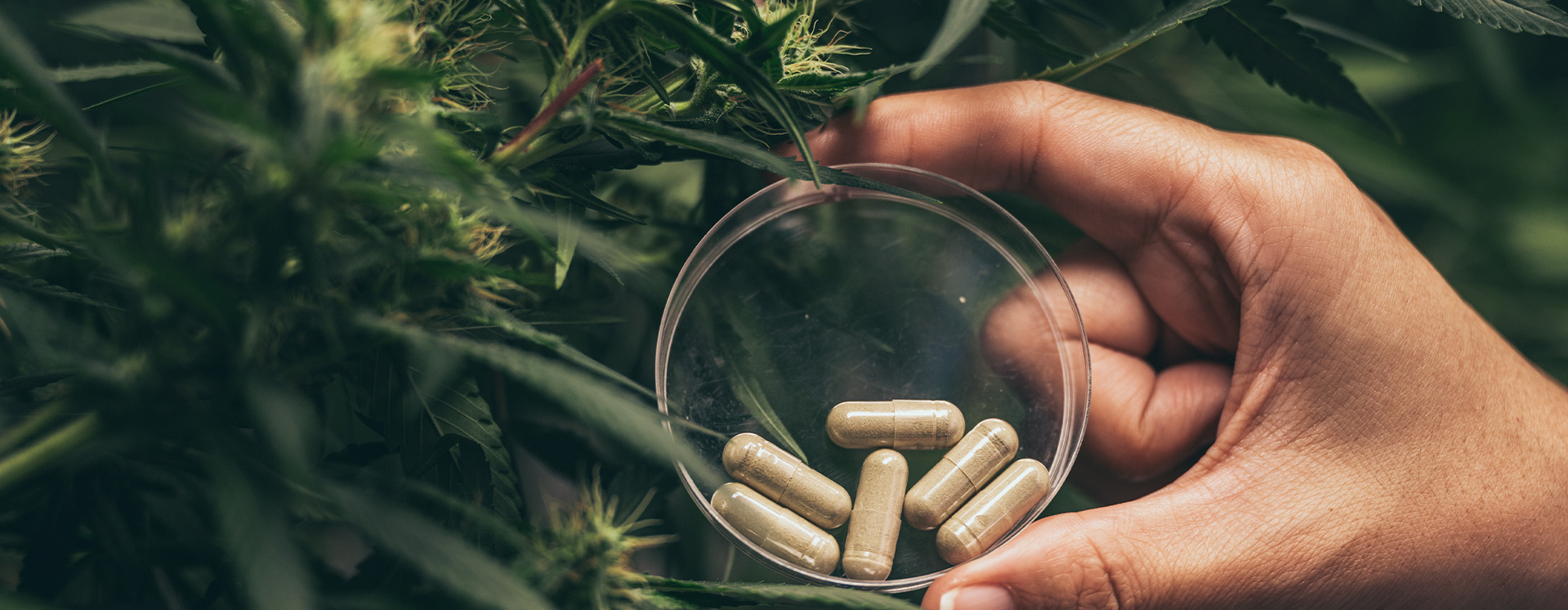
Not every excipient is safe to combine with every API. Preformulation studies exist specifically to catch incompatibilities before they become a batch-scale failure.
Some APIs react with specific functional groups found in common excipients, for example primary amine drugs can undergo a browning reaction with reducing sugars like lactose over time, degrading both potency and appearance.
Moisture absorbed by a hygroscopic excipient can migrate into the API and accelerate hydrolysis, even when no chemical reaction between the two materials would otherwise occur.
Binary mixtures of API and each candidate excipient are stored under accelerated heat and humidity, then analyzed for degradation products to flag incompatible pairs before formulation work scales up.
This stage of development is often invisible in the finished product but is one of the strongest predictors of whether a tablet will remain stable for its full intended shelf life.
Not every tablet is designed to behave the same way once it reaches the body. The internal formulation and coating determine where and how quickly the drug is released.
| Tablet Type | Release Behavior | Typical Use Case |
|---|---|---|
| Immediate Release | Disintegrates and dissolves quickly in the stomach | Pain relief, antihistamines |
| Sustained Release | Releases API gradually over hours | Chronic condition management |
| Enteric Coated | Resists stomach acid, dissolves in the intestine | Acid-sensitive or stomach-irritating drugs |
| Chewable | Broken down mechanically before swallowing | Pediatric and geriatric dosing |
| Orally Disintegrating | Dissolves on the tongue within seconds | Patients with swallowing difficulty |
| Effervescent | Dissolved in water before consumption | Vitamins, electrolyte replacement |
| Sublingual | Absorbed directly through tissue under the tongue | Fast-onset cardiac or emergency dosing |
| Multilayer | Two or more distinct layers with separate release profiles | Combination therapies with different release timing needs |
Orally disintegrating tablets, often shortened to ODT, rely on highly porous, rapidly wicking excipient systems rather than traditional disintegrants alone, since the entire structure needs to collapse within roughly 30 to 60 seconds of touching saliva. Multilayer tablets take the opposite engineering challenge, requiring each layer to be compressed sequentially in the same die without the layers delaminating from one another, which places tight demands on the compressibility and bonding behavior of each individual layer's formulation.
Tablets and capsules solve the same problem, delivering a fixed oral dose, but they arrive there through entirely different mechanics. A tablet is formed by mechanical compression, which means the API must survive pressure, heat from friction, and exposure to any granulation liquid used. A capsule, by contrast, holds the API inside a pre-formed shell, so the fill material never has to be compressible or compactable at all.
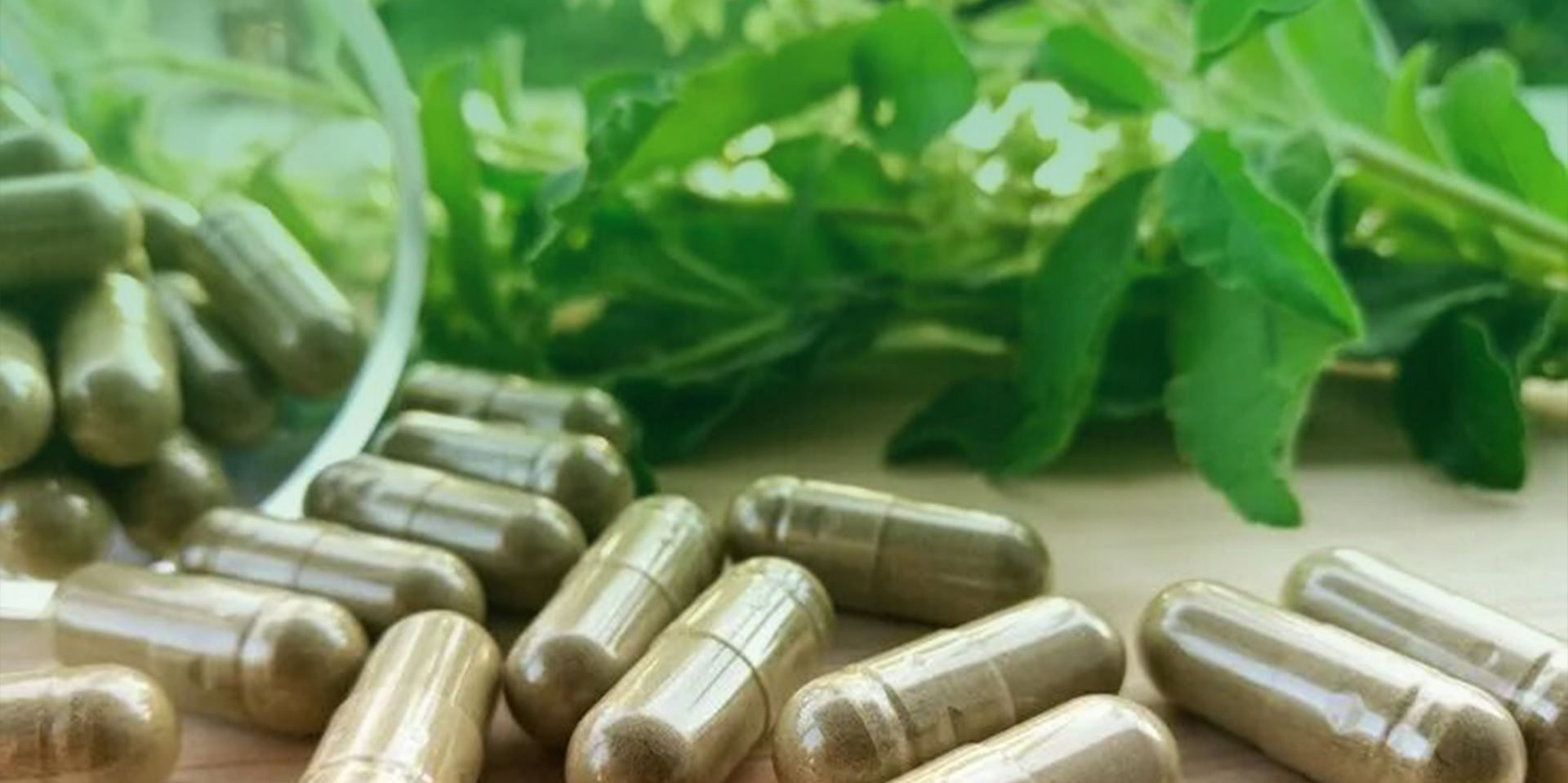
Formulators frequently reach for a natural empty capsule shell instead of a compressed tablet when an API is heat sensitive, poorly compressible, or has an unpleasant taste that coating alone cannot mask. A natural empty capsule made from gelatin derived from bovine or fish collagen, or a vegetarian alternative made from hydroxypropyl methylcellulose, allows the fill powder to remain in its native, uncompressed state right up until the moment the shell dissolves in the gastrointestinal tract. This is particularly valuable for nutraceutical blends, probiotic strains, and enzyme-based formulations where compression force would otherwise degrade the active material.
The two halves of a natural empty capsule, the body and the cap, are manufactured separately by dip-molding pins into a temperature-controlled gelatin or HPMC solution, then dried, trimmed, and joined before filling. Because the shell forms around the fill rather than compressing it, particle size distribution, flow variability, and even semi-solid or liquid fill materials that would be impossible to compress into a tablet can all be accommodated inside a natural empty capsule with far less formulation reengineering than a tablet would require.
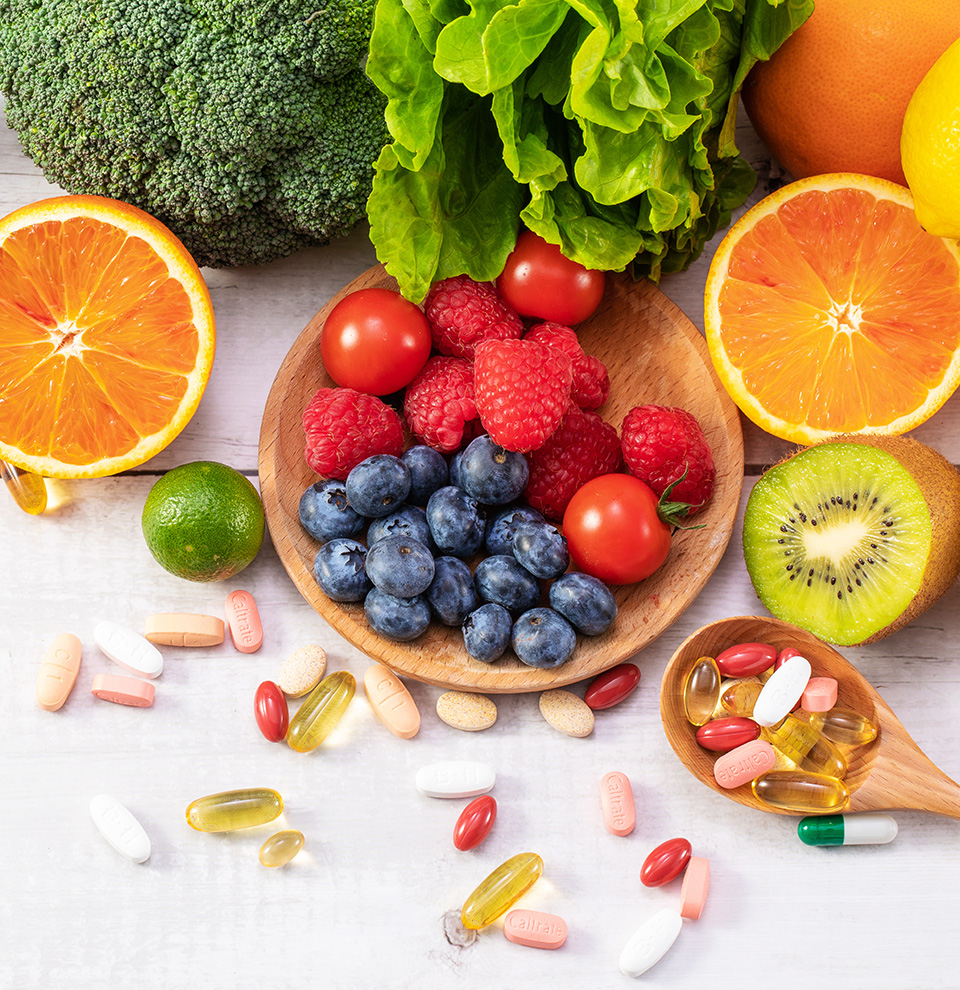
Not every tablet leaves the press as a finished product. Many are coated afterward, and the coating is doing real functional work, not just improving appearance.
A thin polymer layer, usually 20 to 100 micrometers thick, is sprayed onto the tablet core inside a rotating coating pan or fluid bed system. Film coating masks bitter taste, reduces dust during handling, and improves how easily a tablet is swallowed.
An acid-resistant polymer layer prevents the tablet from dissolving in the stomach, protecting acid-sensitive drugs and protecting the stomach lining from irritating APIs. Enteric-coated tablets are designed to remain intact for a minimum of one hour in simulated gastric fluid before dissolving in the higher pH environment of the small intestine.
An older technique involving multiple layers of sugar syrup, still used for select over-the-counter products where a smooth, glossy finish and sweet taste are desirable, though it has largely been replaced by film coating due to the added weight and processing time it requires.
A specialized membrane, often based on ethylcellulose or similar water-insoluble polymers, is applied at a carefully calibrated thickness to slow water penetration into the tablet core, stretching drug release out over many hours instead of minutes and reducing how often a dose needs to be taken.
Two standardized tests confirm that a tablet will actually release its drug once swallowed.
Disintegration testing measures how long it takes a tablet to break apart into particles when placed in a fluid at body temperature. Under USP general chapter standards, uncoated immediate-release tablets are generally required to disintegrate within 30 minutes, while enteric-coated tablets must resist breakdown for at least one hour in acidic medium before disintegrating within a separate time limit once moved to a buffered medium.
Dissolution testing goes a step further and measures how much of the API actually dissolves into solution over time, using either a rotating basket apparatus (Apparatus 1) or a paddle apparatus (Apparatus 2). Dissolution profiles are compared against a specification, typically requiring a defined percentage of labeled drug content, often 80 percent or more, to dissolve within a set time window such as 30 or 45 minutes for immediate-release products.
Dissolution testing is also used comparatively, not just as a pass or fail check. When a manufacturer changes a raw material supplier, adjusts a manufacturing parameter, or scales a formulation up from pilot batch to commercial volume, a side-by-side dissolution profile comparison is one of the fastest ways to confirm the change has not altered how the drug behaves once inside the body. A similarity factor calculation is commonly used for this comparison, condensing the entire dissolution curve into a single number that reflects how closely two profiles track one another across every timepoint.
The top layer of a tablet separates cleanly from the main body, usually caused by trapped air that cannot escape during compression, or by excessive elastic recovery in the formulation once pressure is released.
Powder adheres to the punch face instead of releasing cleanly, often traced to insufficient lubricant, excess moisture in the granulation, or a punch surface that has become worn or pitted over time.
An uneven, blotchy color appears across the tablet surface, typically caused by uneven distribution of a colored component or by migration of a soluble dye toward the surface during drying.
Small amounts of material are removed from the tablet surface and remain stuck in engraved letters or logos on the punch face, most often linked to a sticky granulation or insufficient drying before compression.
Each of these defects is traced back to a specific combination of formulation properties, moisture content, and press parameters, which is why root-cause investigation during tablet development routinely involves adjusting one variable at a time, such as compression force, punch speed, or lubricant level, rather than reformulating from scratch.
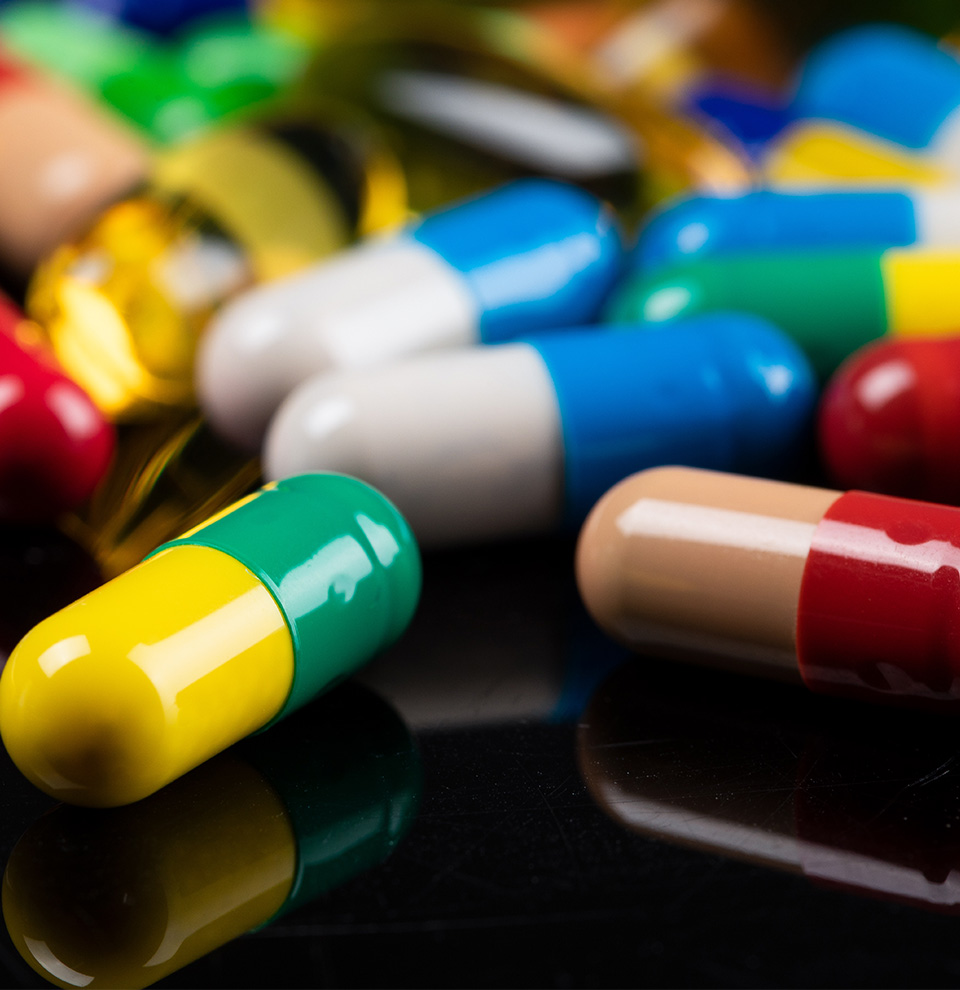
Excipients are not filler in the casual sense, each one performs a defined mechanical or chemical function inside the tablet.
| Function | Purpose | Common Examples |
|---|---|---|
| Diluent | Adds bulk so low-dose APIs can be handled and compressed | Lactose, microcrystalline cellulose |
| Binder | Holds particles together to form a stable granule or tablet | Povidone, starch paste |
| Disintegrant | Causes the tablet to break apart on contact with fluid | Croscarmellose sodium, sodium starch glycolate |
| Lubricant | Reduces friction between powder and die wall during ejection | Magnesium stearate |
| Glidant | Improves powder flow into the die cavity | Colloidal silicon dioxide |
| Coloring Agent | Supports visual identification and batch differentiation | Iron oxide pigments, approved dyes |
| Sweetener or Flavoring | Improves palatability for chewable and orally disintegrating forms | Mannitol, aspartame, fruit flavor blends |
Bioavailability describes the proportion of a swallowed dose that actually reaches systemic circulation in active form. Two tablets with identical labeled API content can still produce meaningfully different blood levels of the drug if their formulations differ in disintegration speed, particle size, or coating thickness.
Several formulation factors influence bioavailability directly. Smaller API particle size increases the surface area available for dissolution, which generally speeds absorption for poorly water-soluble drugs. Disintegrant type and level control how quickly the tablet breaks into smaller fragments that expose more surface area to gastrointestinal fluid. Coating thickness and composition determine how long a barrier delays contact between the fluid and the tablet core.
This is why a formulation change is never considered cosmetic, even a shift in the grade of a single excipient can alter dissolution behavior enough to change how much drug is absorbed, which is precisely why dissolution testing and, where required, comparative bioavailability studies accompany any significant formulation or manufacturing change.
A tablet's shelf life depends on how well moisture, oxygen, and light are excluded once it leaves the coating pan. Most film-coated tablets are stable for 24 to 36 months when stored below 25 degrees Celsius and below 60 percent relative humidity, and stability programs following ICH climate zone guidelines test long-term storage, accelerated conditions, and intermediate conditions to establish an accurate expiry date.
Packaging plays a direct role in this. Blister packaging with an aluminum foil backing provides a stronger moisture barrier than a standard plastic bottle, which is why moisture-sensitive tablets are more often blister packed even though bottles are cheaper to produce at scale. Desiccant canisters are added to bottles containing hygroscopic tablets to absorb residual moisture that enters during the shelf life of the product.
Light-sensitive formulations add a further layer of protection, often through an opaque or amber-tinted blister film, or a pigmented film coating on the tablet itself that blocks UV wavelengths from reaching the core. Temperature excursions during transport are another practical concern, and cold-chain-independent tablets are specifically formulated and packaged to tolerate normal ambient shipping conditions without any specialized refrigerated handling.
Measured in kiloponds or newtons, most conventional tablets target a hardness range of roughly 4 to 10 kp, balancing enough mechanical strength to survive packaging and transport against a low enough hardness to disintegrate on schedule.
Tablets are tumbled in a rotating drum for a fixed number of revolutions, and weight loss from chipping or abrasion is measured. A friability result below 1 percent weight loss is the generally accepted acceptance limit under USP general chapter guidance.
A sample set of tablets is individually weighed, and the deviation from the average weight must fall within a tight percentage range, tighter for smaller tablets and looser for larger ones, since a small absolute weight error represents a larger percentage swing in a lighter tablet.
Individual tablets are assayed to confirm that API content is evenly distributed across the batch, not just correct on average, since an unevenly mixed blend can produce individual tablets that are significantly over or under the labeled dose even when the batch average looks correct.
Tablet thickness is monitored continuously during compression since it directly reflects fill depth and compression force, and any drift outside the set range signals that punch wear, powder flow, or press settings need adjustment before more product is made.
Tablets are inspected for chips, cracks, color uniformity, and coating defects such as bridging over an engraved logo or uneven film thickness, since surface defects can signal an underlying process problem even when weight and hardness pass.
The final packaging format is chosen based on the sensitivity of the tablet, the dosing schedule of the product, and the distribution channel it will move through.
Individual cavities formed from PVC, PVDC, or aluminum-aluminum laminate offer strong moisture and light protection, and calendar-printed blisters also support patient adherence for daily dosing schedules.
High-density polyethylene bottles are cost-efficient for large tablet counts and are commonly paired with a desiccant and an induction seal to maintain a moisture barrier once opened.
A continuous strip of individually sealed compartments, often used in markets where single-dose dispensing at the pharmacy counter is common practice.
Each tablet is individually sealed with full labeling on the smallest unit, a format widely used in hospital settings where medications are dispensed one dose at a time at the bedside.
Not technically. The word pill is a general, informal term used by the public for any small solid oral dose, while a tablet specifically refers to a dosage form manufactured by compression. Capsules, lozenges, and troches are also colloquially called pills, but they are manufactured differently from tablets.
A scored tablet is designed to be split along that line to allow a lower or adjusted dose without needing a separate lower-strength product. Not every tablet is designed to be split safely, so the scoring is only reliable when the product is specifically manufactured and labeled for splitting.
The rate-limiting step is almost always disintegration and dissolution, since the API cannot be absorbed until it is in dissolved form. Formulation choices such as disintegrant type and level, particle size of the API, and whether the tablet is coated all directly affect how quickly the drug becomes available for absorption.
When an API cannot tolerate the mechanical pressure of compression, or when it has a taste or odor that coating cannot adequately mask, filling a natural empty capsule shell avoids these problems entirely, since the fill material is never compressed and the shell itself provides taste masking until it dissolves.
Immediate-release, uncoated tablets can generally be crushed, but enteric-coated and sustained-release tablets should not be, since crushing destroys the coating or matrix that controls where and how quickly the drug is released, which can cause the full dose to be released too early.
Dosage strength is set based on clinical dose-response data established during drug development, and the tablet is then formulated with enough excipient bulk to reach a compressible, handleable weight while keeping the API percentage accurate and evenly distributed throughout the blend.
Color and shape are functional design choices as much as branding ones, they help patients and caregivers visually distinguish between different medications or strengths, reducing the risk of confusing one product for another when several tablets are stored together.
Excess moisture can soften the tablet, reduce hardness below spec, promote microbial growth, or accelerate chemical degradation of a moisture-sensitive API, which is why in-process moisture testing and controlled humidity environments are standard throughout tablet manufacturing.
Larger tablets can carry more excipient bulk, which helps when the API dose itself is high, but oversized tablets become harder to swallow comfortably, so formulators balance dose requirements against a practical maximum size, often guided by compressing the same API at the highest achievable concentration the blend will allow.
Your email address will not be published. Required fields are marked *
If you would like to learn more about our products, please feel free to contact us and we will do our to assist you.
Copyright © Shaoxing Zhongya Capsule Co., Ltd. High Quality Empty Capsule Manufacturers Wholesale Transparent Empty Capsule Factory
All Rights Reserved.

