 English
 中文简体
中文简体 русский
Product Consultation
Your email address will not be published. Required fields are marked *

Content
An excipient is every component in a tablet, capsule, powder, or liquid dose that is not the drug or nutrient doing the actual therapeutic or nutritional work. Binders, fillers, coatings, lubricants, preservatives, colorants, and capsule shells all fall under this single word. A 500 mg vitamin C tablet that weighs 650 mg, for example, is carrying roughly 150 mg of excipients that hold the tablet together, help it dissolve at the right speed, and keep it from crumbling in the bottle. The same logic applies to a gelatin capsule, where the shell itself, made from processed gelatin, water, and sometimes a plasticizer, is classified as an excipient rather than part of the active formula.
Excipients are not filler in the dismissive sense of the word. Manufacturers add them because raw active ingredients are frequently unstable, too sticky, too fine, or too small in dose to be measured, swallowed, or absorbed reliably on their own. Without excipients, a 2 mg dose of a potent compound could not be evenly distributed across a batch of thousands of tablets, and an oily plant extract could never be pressed into a stable solid form at all.
Pharmaceutical and nutraceutical formulators sort excipients by the job they perform inside a dose. Most finished products combine excipients from several of these categories at once, layered to produce a tablet, capsule, or liquid that survives manufacturing, shipping, shelf storage, and digestion in that order.
Lactose, microcrystalline cellulose, and dicalcium phosphate add bulk so a low-dose active ingredient can be handled and compressed at all. A formulation containing only 1 mg of active compound is typically bulked up to 100-200 mg total weight using a filler.
Starch, povidone, and hydroxypropyl cellulose hold powder particles together during compression. Without a binder, a tablet would shed powder every time it was handled and could fracture before it ever reached a pharmacy shelf.
Croscarmellose sodium and sodium starch glycolate swell on contact with moisture, breaking a compressed tablet apart inside the stomach within minutes so the active ingredient can dissolve and absorb on schedule.
Magnesium stearate and colloidal silicon dioxide reduce friction during high-speed manufacturing, preventing powder from sticking to punches and dies that stamp out thousands of tablets per minute.
Film coatings mask taste and control release timing, while capsule shells, most commonly built from gelatin, encase a powder or liquid fill entirely. A gelatin capsule shell is itself an excipient with its own disintegration profile.
Methylparaben, sorbic acid, and antioxidants like BHT slow microbial growth and oxidative breakdown, particularly in liquid syrups and softgel fills where moisture creates a more hospitable environment for spoilage.
Ask most people to name an excipient and they will draw a blank, yet almost everyone has held one in their hand. A gelatin capsule is built almost entirely from excipient material: the shell itself contributes no therapeutic effect. It exists purely to contain, protect, and deliver whatever active ingredient sits inside it, which makes it one of the purest real-world examples of what the word excipient actually means.
Gelatin used in capsule shells is derived from collagen, most often sourced from bovine or porcine hide and bone through controlled hydrolysis. The resulting protein forms a clear, flexible film once dissolved in hot water and cast into shell halves, then dried to a moisture content typically between 13 and 16 percent. That moisture range is not arbitrary: a shell drier than roughly 12 percent becomes brittle and cracks during shipping, while one above 16 percent stays tacky and capsules stick together in the bottle.
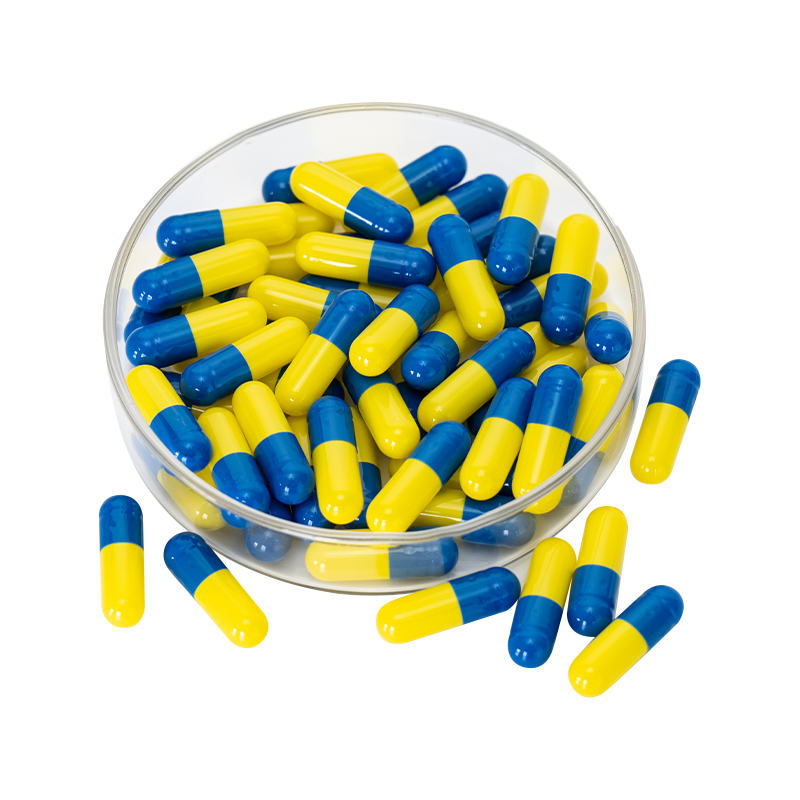
Gelatin is not the only shell-forming excipient on the market. Manufacturers increasingly offer plant-based alternatives, and the choice between them affects everything from dissolution speed to shelf stability in humid climates.
| Shell Material | Source | Typical Dissolution Time | Moisture Tolerance |
|---|---|---|---|
| Gelatin (bovine/porcine) | Animal collagen | 15-30 minutes | Moderate, brittle below 30% RH |
| HPMC (hydroxypropyl methylcellulose) | Plant cellulose | 20-40 minutes | High, stable across a wide humidity range |
| Pullulan | Fermented starch | 10-20 minutes | High, low oxygen permeability |
| Starch-based shells | Modified plant starch | 25-45 minutes | Moderate to high |
Gelatin remains the dominant choice for cost and processing speed, since it gels and sets faster on production lines than most plant-based alternatives, but formulators working with moisture-sensitive actives or targeting vegetarian markets frequently weigh HPMC or pullulan instead.
Active ingredients go through dose-response testing to prove they treat a condition. Excipients are evaluated on a different axis entirely: inertness, consistency, and safety at the quantities used. A substance that would be perfectly safe to eat in food quantities can still be unsuitable as an excipient if it is not chemically stable next to a particular active ingredient, a phenomenon formulators call excipient incompatibility.
One frequently cited illustration involves reducing sugars like lactose reacting with primary amine drugs through a Maillard-type browning reaction, which can discolor a tablet and reduce potency over its shelf life; this is documented in pharmaceutical preformulation literature and is one reason lactose-free fillers exist for amine-containing actives (Aulton's Pharmaceutics, a standard pharmaceutical formulation reference). Capsule shells carry their own compatibility concerns too: highly acidic liquid fills can soften or degrade a standard gelatin shell over time, which is why acidic liquid-fill products are often matched to enteric-coated or specially hardened shell formulations instead.
The proportion of excipient to active ingredient varies enormously depending on how potent the active compound is and what dosage form is being built.
2-90%
Typical excipient share of total tablet weight, depending on active ingredient potency
13-16%
Standard moisture content range for a stable hard gelatin capsule shell
15-30 min
Typical disintegration window for a standard gelatin capsule in body-temperature fluid
6+
Distinct functional excipient categories commonly combined in one finished dose
A high-potency drug dosed at fractions of a milligram can end up almost entirely excipient by weight once it is bulked into a handleable, swallowable tablet, while a high-dose herbal extract capsule may need very little additional filler because the active material itself already provides enough bulk.
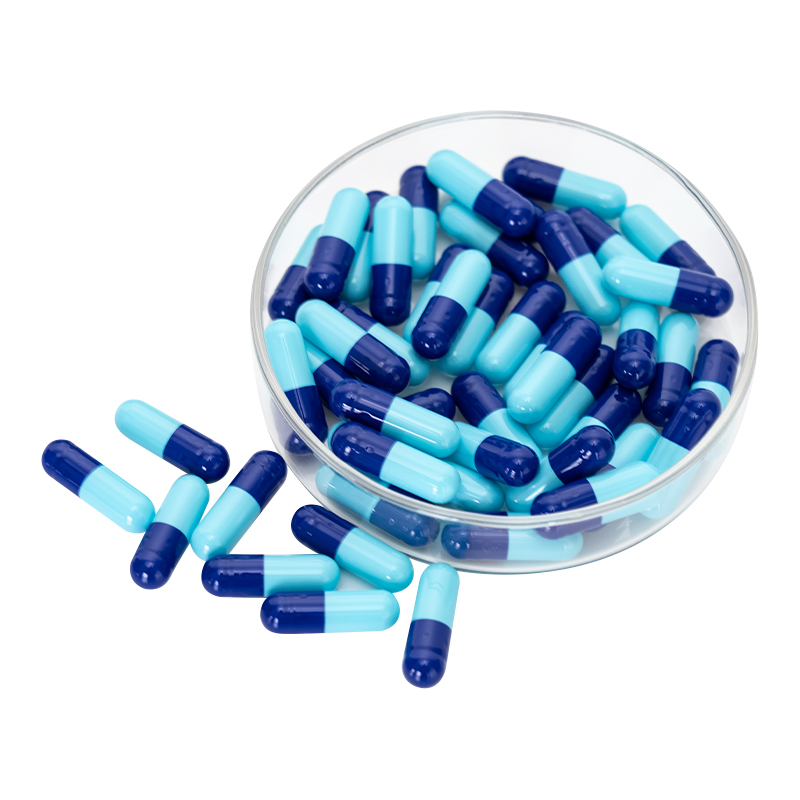
Not all excipient sources are interchangeable, even within the same chemical category. Gelatin sourced and processed under tightly controlled conditions yields a consistent bloom strength, the gelling power that determines how firm and elastic the resulting shell film will be, typically measured on a scale where pharmaceutical-grade gelatin falls in the 150 to 250 bloom range. Inconsistent bloom strength between batches can produce capsule shells that vary in thickness, brittleness, or seal integrity.
A capsule manufacturer that controls these variables tightly produces shells that seal consistently, resist cracking in transit, and disintegrate within a predictable window, which in turn keeps the active ingredient's release profile dependable from one bottle to the next.
Filler is one specific type of excipient, not a synonym for the whole category. Excipients also include binders, disintegrants, lubricants, coatings, and preservatives, each performing a distinct mechanical or chemical function rather than simply adding bulk.
It counts as an excipient. Packaging refers to the bottle, blister pack, or box around the finished product, while the capsule shell itself is part of the dosage form that the patient swallows and that interacts directly with the active ingredient and the body.
The choice usually comes down to dietary requirements, moisture sensitivity of the fill material, and manufacturing cost. Gelatin processes faster and more cheaply on standard encapsulation lines, while plant-based shells such as HPMC suit vegetarian, vegan, or halal-sensitive markets and certain moisture-reactive fills.
Yes, in a small number of cases. Excipients are chosen for general inertness, but individuals with specific sensitivities, such as lactose intolerance reacting to a lactose filler, can still respond to an excipient even though it carries no intended therapeutic effect of its own.
Your email address will not be published. Required fields are marked *
If you would like to learn more about our products, please feel free to contact us and we will do our to assist you.
Copyright © Shaoxing Zhongya Capsule Co., Ltd. High Quality Empty Capsule Manufacturers Wholesale Transparent Empty Capsule Factory
All Rights Reserved.

