 English
 中文简体
中文简体 русский


What Tablets Are Actually Made Of: The Core Answer
Tablets are compressed solid-dose forms made from a combination of active pharmaceutical ingredients (APIs) and a range of excipients — inactive substances that control how the tablet holds together, dissolves, and delivers its active content. The API is what produces the therapeutic effect; everything else in the formula exists to serve that purpose.
A finished tablet typically contains five to fifteen distinct ingredients, each chosen for a specific functional role. These include binders, fillers, disintegrants, lubricants, glidants, coatings, and colorants. The proportions vary significantly depending on the drug's potency, target release profile, required shelf life, and patient population.
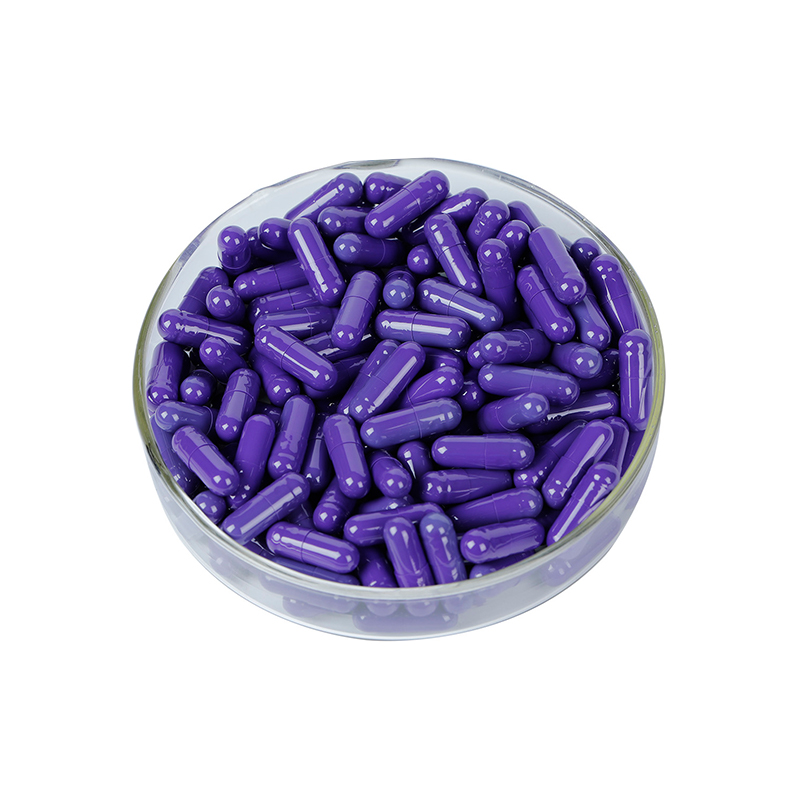
While tablets dominate the pharmaceutical market — accounting for roughly 70% of all solid oral dosage forms — their construction is far more complex than their smooth exterior suggests. Understanding what goes into a tablet also clarifies why some manufacturers and formulators choose natural empty capsules as an alternative delivery system, particularly when simplifying the ingredient list matters.
Fillers and Binders: The Structural Foundation
The bulk of most tablet formulations is made up of fillers (also called diluents) and binders. Because APIs are often required in doses far too small to form a handleable tablet on their own, fillers provide the physical mass needed for compression.
Common Fillers Used in Tablets
The most widely used filler materials include:
- Microcrystalline cellulose (MCC) — derived from refined wood pulp, MCC is one of the most versatile excipients available, used in both direct compression and wet granulation
- Lactose — a sugar derived from milk whey, valued for its compressibility and low moisture absorption, though it excludes lactose-intolerant patients
- Dicalcium phosphate — a mineral excipient that compresses well and provides a source of calcium; commonly found in supplement tablets
- Mannitol and sorbitol — sugar alcohols used in chewable tablets for their cool mouthfeel and acceptable sweetness profile
- Starch — corn or potato starch functions as both a filler and a disintegrant in many tablet formulas
Binders: Holding Everything Together
Binders create cohesion between particles, allowing them to compress into a solid tablet without crumbling. They can be added dry (for direct compression) or in solution (for wet granulation). Common binders include:
A water-soluble cellulose derivative, widely used in both wet granulation and direct compression processes. Typically used at concentrations of 2–6%.
One of the most frequently used binders globally, available in multiple viscosity grades. Soluble in both water and alcohol.
A protein-based binder with excellent film-forming properties. Also the primary material used in traditional hard-shell capsules — though natural empty capsules made from HPMC (hydroxypropyl methylcellulose) now offer a plant-based alternative.
A cellulose ether with gel-forming properties at elevated temperatures; commonly used in sustained-release systems.