
 English
 中文简体
中文简体 русский
Product Consultation
Your email address will not be published. Required fields are marked *


Content
A suspension medication is a liquid dosage form in which solid drug particles are dispersed throughout a liquid carrier but do not dissolve in it. Unlike a solution, where the active ingredient is fully dissolved and invisible to the naked eye, a suspension contains fine, undissolved particles that remain suspended throughout the liquid. This is why most suspension medications come with the familiar label instruction: "Shake well before use." Without shaking, particles settle to the bottom, making accurate dosing impossible.
Suspensions are one of the most widely used pharmaceutical forms, especially in pediatric and geriatric medicine, where patients often cannot swallow solid tablets or gelatin capsule formulations. They are also used when an active pharmaceutical ingredient is poorly soluble in water, making a true solution impractical or unstable.
In straightforward terms: a suspension medication is a mixture where solid drug particles are physically dispersed in — but not chemically dissolved into — a liquid base. The particle size in most pharmaceutical suspensions ranges from 0.5 to 5 micrometers, which keeps particles small enough to remain evenly distributed after shaking but large enough to prevent them from forming a true solution.
Understanding what makes a suspension unique requires a side-by-side look at the main pharmaceutical dosage forms. Each form has specific advantages and limitations based on the patient, the drug's chemistry, and the intended site of action.
| Dosage Form | Physical State | Drug Dissolved? | Shaking Required? | Common Use Case |
|---|---|---|---|---|
| Solution | Liquid | Yes | No | Soluble drugs, IV fluids |
| Suspension | Liquid with solid particles | No | Yes | Poorly soluble drugs, pediatric use |
| Emulsion | Two immiscible liquids | Partially | Yes | Lipid-soluble drugs, topicals |
| Tablet | Solid | N/A | No | Adults, stable drugs |
| Gelatin Capsule | Solid shell, powder/liquid fill | N/A | No | Adults, taste masking, precise dosing |
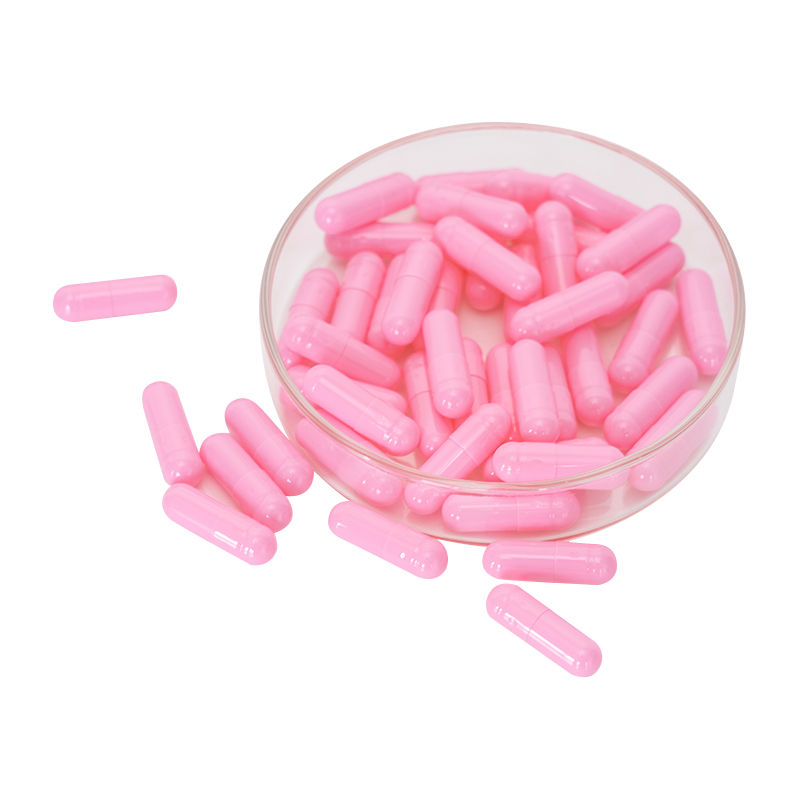
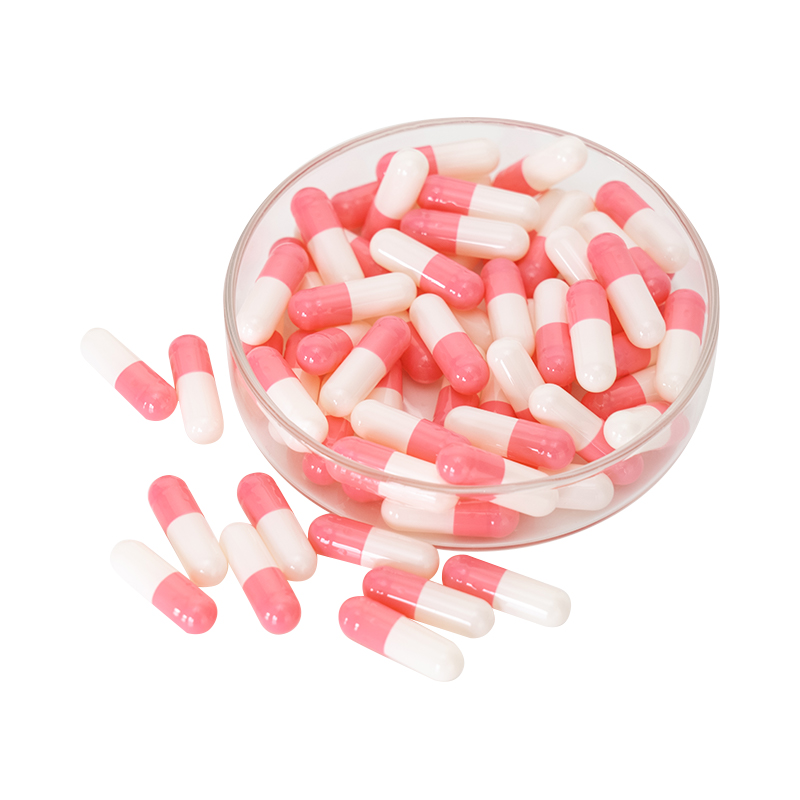
The gelatin capsule is particularly worth comparing to a suspension because they often serve as alternatives for the same drugs. A gelatin capsule encloses powder, granules, or even a liquid-fill in a dissolvable shell made from animal-derived gelatin. This allows precise dosing and excellent taste masking, but it requires the patient to swallow a solid form. When that is not possible — due to age, dysphagia, or the need for very flexible dosing — a suspension becomes the preferred alternative.
The effectiveness of a suspension medication depends heavily on pharmaceutical engineering. Several physical and chemical principles govern how suspensions behave in the bottle and in the body.
Smaller particles mean faster dissolution in the gastrointestinal tract and, therefore, faster drug absorption. Pharmaceutical manufacturers use micronization — a process of grinding drug particles to micrometer scale — to maximize the surface area of the active ingredient. A drug with particles reduced from 100 micrometers to 10 micrometers has a 100-fold increase in surface area, directly accelerating absorption rates.
To prevent particles from settling too quickly, formulators add suspending agents such as xanthan gum, carboxymethylcellulose, or bentonite. These agents increase the viscosity of the liquid carrier, slowing the rate at which particles fall to the bottom. The goal is not to stop settling entirely but to ensure particles remain evenly distributed long enough after shaking for an accurate dose to be drawn.
Particles in suspension carry an electrical charge on their surface. The measurement of this charge — zeta potential — determines how much particles repel each other. A zeta potential greater than ±30 millivolts is generally considered a stable suspension, as strong repulsion between particles prevents them from clumping together (a process called flocculation or aggregation). Formulators adjust pH and add electrolytes to achieve this stability.
Surprisingly, some pharmaceutical suspensions are intentionally formulated as "flocculated" systems. In a flocculated suspension, particles form loose clusters that settle quickly but also redisperse easily with gentle shaking. This is often preferred over a "deflocculated" system where fine particles settle slowly into a hard, compact cake that is nearly impossible to redisperse — a phenomenon called caking, which renders the medication inaccurate and potentially unsafe to use.
Suspensions are used across nearly every area of medicine. They are not limited to oral liquids — they appear in several routes of administration, each with distinct formulation requirements.
These are the most common type. Oral suspensions are frequently used for antibiotics, antacids, antifungals, and pain relievers. Classic examples include:
Injectable suspensions are used when a prolonged drug effect is desired from a single injection. The drug particles dissolve slowly at the injection site, creating a depot effect that can last days, weeks, or even months. Examples include:
Eye drops and ear drops in suspension form deliver drugs like corticosteroids and antibiotics directly to the affected tissue. Prednisolone acetate ophthalmic suspension is a common post-surgical eye drop used after cataract operations. These must be rigorously sterile and require the same "shake well" instruction as oral suspensions.
Some skin preparations — including certain antifungal lotions and medicated calamine products — are formulated as topical suspensions. The particles settle on the skin's surface after the liquid carrier evaporates, delivering active ingredients to the affected area.
The gelatin capsule is one of the most trusted and widely used solid dosage forms in pharmacy. A standard hard gelatin capsule shell is made primarily from animal bone and skin collagen, which dissolves within minutes in stomach acid to release its contents. Soft gelatin capsules (softgels) enclose liquid or semi-solid drug fills, expanding the range of substances that can be delivered in capsule form.
Despite the advantages of the gelatin capsule — including accurate dosing, good shelf stability, and effective masking of bitter or unpleasant drug tastes — there are several clinical situations where a suspension is clearly the better choice:
Children under the age of six generally cannot safely swallow a gelatin capsule or tablet. Aspiration of solid dosage forms is a real risk. Suspensions allow caregivers to accurately measure weight-based doses using an oral syringe or dosing cup. For example, amoxicillin is dosed at 25–45 mg/kg/day in children, a dose that changes with each weight gain and is practically impossible to administer accurately with fixed-dose gelatin capsule products.
Dysphagia — difficulty swallowing — affects an estimated 8% of the global population and is particularly prevalent among stroke patients, those with Parkinson's disease, and elderly individuals in care settings. For these patients, even a small gelatin capsule can present a significant swallowing challenge or aspiration risk. Liquid suspensions are far easier and safer to administer, sometimes given via a feeding tube after appropriate verification of compatibility.
A gelatin capsule comes in fixed strengths — you cannot split or adjust it the way you can measure a smaller volume of suspension. In oncology, renal dosing adjustments, and neonatal care, the ability to measure precise, individualized doses in milliliters is medically essential. Suspensions provide this flexibility directly.
In many cases, a suspension reaches peak plasma concentrations faster than a gelatin capsule because the drug is already in particle form and does not require dissolution of a capsule shell first. The gelatin capsule shell typically takes 5 to 10 minutes to dissolve in gastric fluid before drug release can begin. For drugs where rapid onset is clinically meaningful — such as analgesics or antiepileptics — this time difference matters.
Standard hard and soft gelatin capsules are derived from animal sources — typically bovine or porcine. For patients who follow halal, kosher, Hindu, or vegan dietary restrictions, a standard gelatin capsule formulation may be unacceptable. In such cases, the prescribing team may turn to a suspension or to alternative capsule shells made from hydroxypropyl methylcellulose (HPMC), but suspensions often represent the most straightforward solution when one already exists in the formulary.
Many medication errors involving suspensions stem from improper handling rather than incorrect prescribing. Following the correct administration procedure is essential for both safety and therapeutic effectiveness.
Suspension medications come in two primary commercial presentations, and understanding the difference is important for pharmacists, caregivers, and patients.
Many suspensions — especially antibiotics — are manufactured and stored as dry powders because the active ingredient degrades rapidly in liquid form. The pharmacist adds a measured amount of purified water at the point of dispensing, creating the suspension. This extends the commercially viable shelf life of the product from months (as dry powder) to days or weeks (as a reconstituted suspension). Amoxicillin powder for suspension, for instance, has a shelf life of up to 2 years in dry powder form but only 7 to 14 days once mixed with water, depending on storage temperature.
These are pre-formulated and require no mixing before use. Antacid suspensions such as magnesium hydroxide (milk of magnesia) or bismuth subsalicylate (Pepto-Bismol) are typical examples. The active ingredient is stable enough in liquid form to permit long-term storage without degradation. These products are simply shaken and used directly from the bottle.
Like any pharmaceutical dosage form — including the trusted gelatin capsule — suspensions carry specific strengths and limitations. A balanced understanding helps healthcare providers and patients make informed decisions.
When a commercially available suspension does not exist, or when a patient requires a dose or ingredient that standard products cannot provide, compounding pharmacists can prepare a custom suspension. This practice is especially common in:
Compounded suspensions must comply with the guidelines set by the United States Pharmacopeia (USP), specifically USP Chapter <795> for non-sterile compounding. These standards govern particle size, beyond-use dating, labeling, and quality control.
Pharmaceutical manufacturers apply rigorous testing to ensure suspension medications meet safety and efficacy standards before reaching patients. The key quality parameters evaluated include:
These same quality principles apply when a gelatin capsule product is converted to a suspension format in a compounding pharmacy, though the scale and regulatory framework differ significantly from industrial manufacturing.
For clinicians and pharmacists, the choice between a suspension and a gelatin capsule formulation is rarely arbitrary. It involves weighing the patient's ability to swallow, the required dose precision, drug stability, and clinical urgency. The following decision factors generally apply:
| Clinical Situation | Preferred Form | Reason |
|---|---|---|
| Child under 6 years | Suspension | Cannot swallow solid forms safely |
| Adult with dysphagia | Suspension | Reduces aspiration risk |
| Patient requiring weight-based dosing | Suspension | Allows precise volume-based measurement |
| Compliance-focused adult | Gelatin Capsule | Easier to carry, no shaking needed, no taste issues |
| Vegan or halal-observant patient | Suspension or HPMC capsule | Standard gelatin capsule uses animal-derived gelatin |
| Fixed daily dose, stable drug | Gelatin Capsule | Long shelf life, simple handling, accurate dose |
| Drug unstable in liquid form | Gelatin Capsule or dry powder | Liquid form degrades quickly |
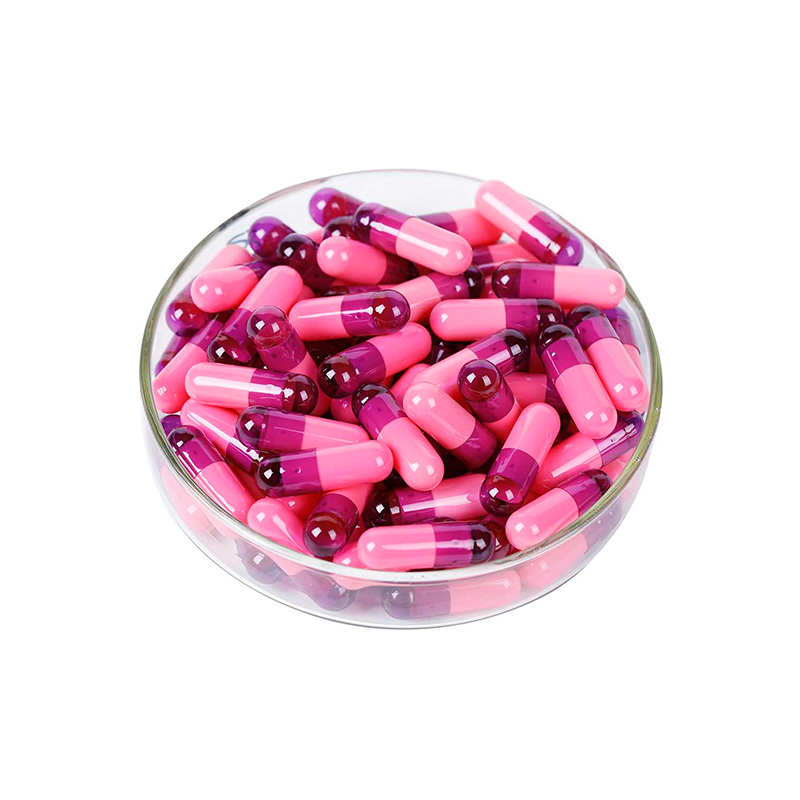
Improper storage is a leading cause of suspension medication failure. Unlike a gelatin capsule, which is relatively robust against environmental conditions, a suspension is sensitive to temperature fluctuations, light exposure, and contamination from droppers or measuring devices that are not kept clean.
Your email address will not be published. Required fields are marked *
If you would like to learn more about our products, please feel free to contact us and we will do our to assist you.
Copyright © Shaoxing Zhongya Capsule Co., Ltd. High Quality Empty Capsule Manufacturers Wholesale Transparent Empty Capsule Factory
All Rights Reserved.

