
 English
 中文简体
中文简体 русский
Product Consultation
Your email address will not be published. Required fields are marked *

Content
Croscarmellose sodium is a cross-linked polymer of carboxymethylcellulose sodium, widely used in pharmaceutical manufacturing as a superdisintegrant. Its primary function is to help tablets and capsules break apart rapidly after ingestion, enabling faster drug release and improved absorption. In practical terms, it causes a solid dosage form to swell and disintegrate within minutes — often within 2 to 3 minutes when placed in aqueous media — far outperforming older disintegrants like starch or plain carboxymethylcellulose.
Its chemical structure is what makes this performance possible. The cross-linking between polymer chains prevents the material from dissolving while still allowing it to absorb water rapidly. When croscarmellose sodium contacts fluid, it can absorb up to 4 to 8 times its own weight in water, creating internal hydrostatic pressure that physically breaks apart the tablet matrix. This wicking and swelling mechanism is distinct from how gas-generating disintegrants work, making croscarmellose sodium a versatile option across a wide range of formulations.
Regulatory bodies including the US FDA, European Medicines Agency (EMA), and ICH have all recognized croscarmellose sodium as a safe and effective excipient. It appears in the FDA's Inactive Ingredient Database and is listed in the United States Pharmacopeia (USP), European Pharmacopoeia (Ph. Eur.), and Japanese Pharmacopoeia (JP). These listings confirm its acceptability for use in oral solid dosage forms intended for human consumption.
Croscarmellose sodium is formally known as cross-linked sodium carboxymethylcellulose. Its CAS number is 74811-65-7. It is derived from cellulose — a natural polysaccharide — through a series of chemical modifications: first, cellulose is reacted with sodium hydroxide to form alkali cellulose, then treated with sodium monochloroacetate to introduce carboxymethyl groups, and finally cross-linked to produce the insoluble but highly swellable network structure.
The resulting material is a white to off-white, odorless, tasteless powder. Key physical characteristics include:
One important distinction from regular sodium carboxymethylcellulose (CMC-Na) is that the cross-linking renders croscarmellose sodium insoluble. While both materials are hydrophilic, croscarmellose sodium only swells without dissolving, which is precisely what enables it to create disintegration force inside a tablet. CMC-Na, by contrast, tends to form a gel that can actually retard drug release — the opposite of what a disintegrant should do.
The sodium content of croscarmellose sodium is typically around 0.6–0.9 mmol/g. For patients on sodium-restricted diets, this is rarely a concern at standard disintegrant doses (2–5% w/w of formulation), but formulators working on high-dose tablet products should account for cumulative sodium intake, particularly when combining multiple sodium-containing excipients.
Understanding the mechanism of croscarmellose sodium is essential for formulators who want to optimize its performance. There are two primary mechanisms at play:
When croscarmellose sodium absorbs water, the cross-linked polymer chains expand dramatically. This volumetric expansion — often described as increasing to 4–8 times the original volume — generates significant internal pressure within the tablet matrix. Because the surrounding tablet structure resists this pressure, the material fractures at its weakest points, leading to rapid disintegration.
Croscarmellose sodium also draws water into the tablet through capillary action. Its fibrous, porous structure acts like a wick, pulling fluid deep into the core of the tablet even before swelling fully takes effect. This dual action — simultaneous wicking and swelling — makes it one of the fastest-acting disintegrants available for oral solid dosage forms.
In comparative studies, croscarmellose sodium typically outperforms sodium starch glycolate and crospovidone at equivalent concentrations in many formulation contexts, though the optimal choice always depends on the active pharmaceutical ingredient (API) and the rest of the excipient matrix. For example, in highly compressible tablet formulations, croscarmellose sodium at 2% w/w has been shown to achieve disintegration times under 5 minutes, whereas starch at similar concentrations may require 15 minutes or more.
Croscarmellose sodium is used across a broad range of oral solid dosage forms. Its most common applications include:
In direct compression, croscarmellose sodium is blended directly with the API and other excipients before tableting. It is added at 1–3% w/w of the total tablet weight. Because direct compression bypasses the wet granulation step, choosing a superdisintegrant that performs reliably without granulation is critical — and croscarmellose sodium fits this requirement well.
When added to wet granulation processes, croscarmellose sodium can be incorporated intra-granularly (before granulation), extra-granularly (after granulation), or in both steps. The extra-granular fraction typically contributes more to disintegration because it is not entrapped within granule structures. Formulators often split the total amount — for example, 1% intra-granularly and 2% extra-granularly — to achieve both granule disintegration and tablet disintegration in sequence.
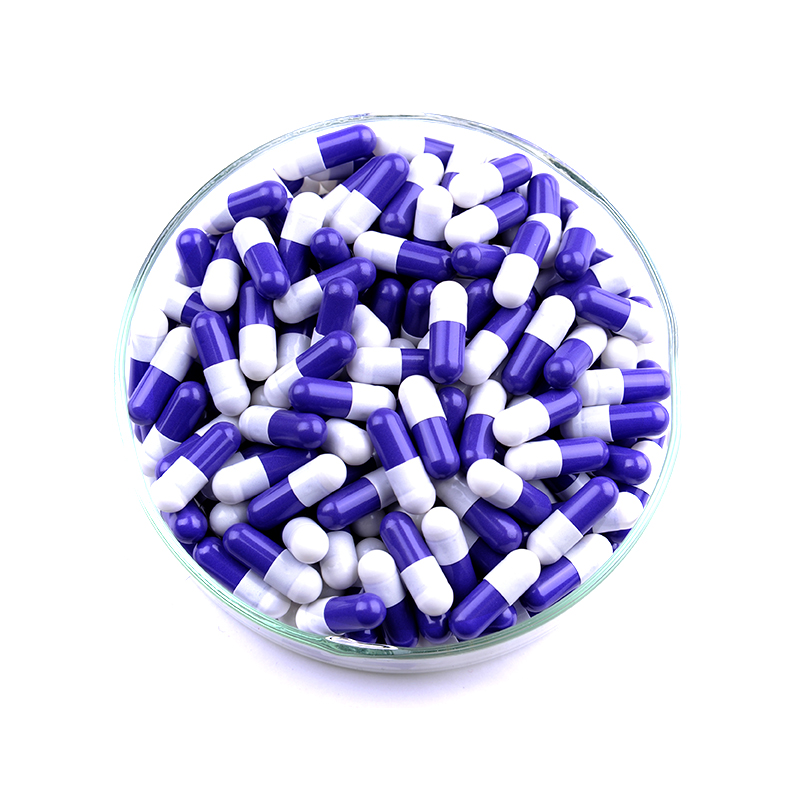
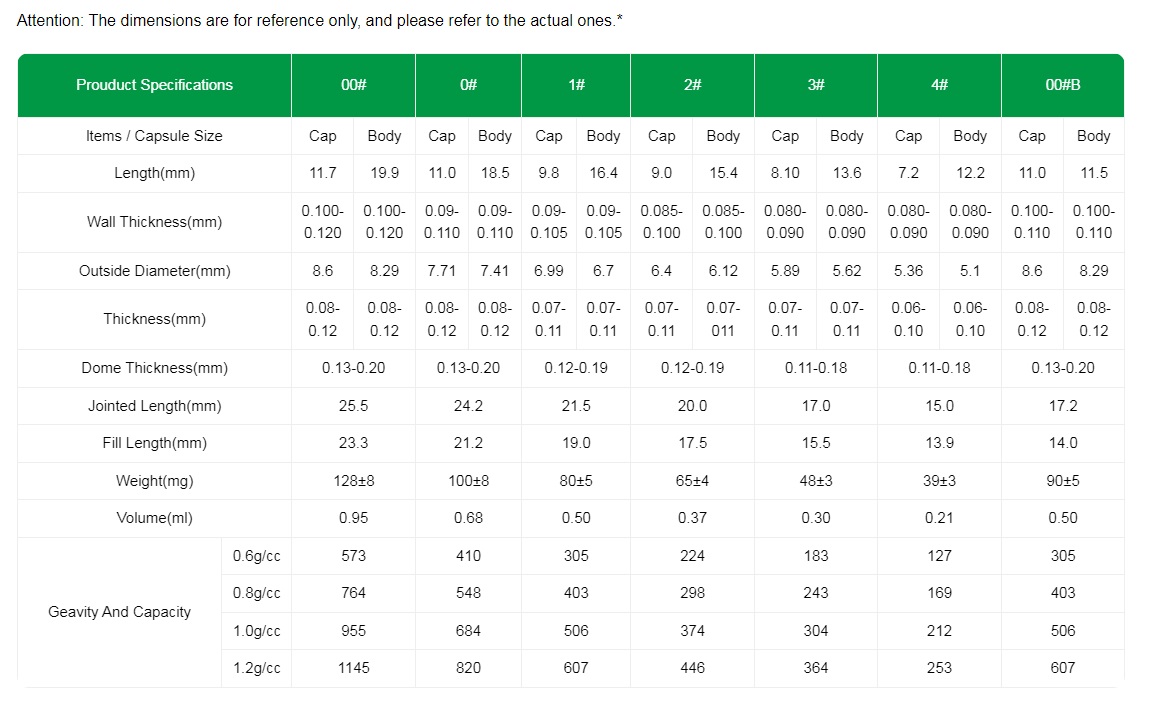
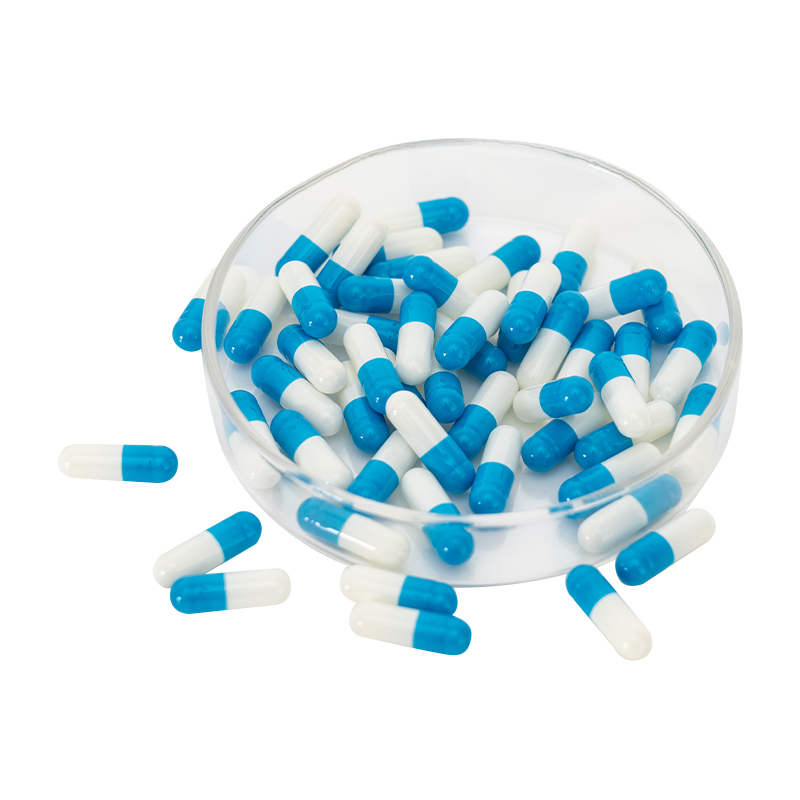
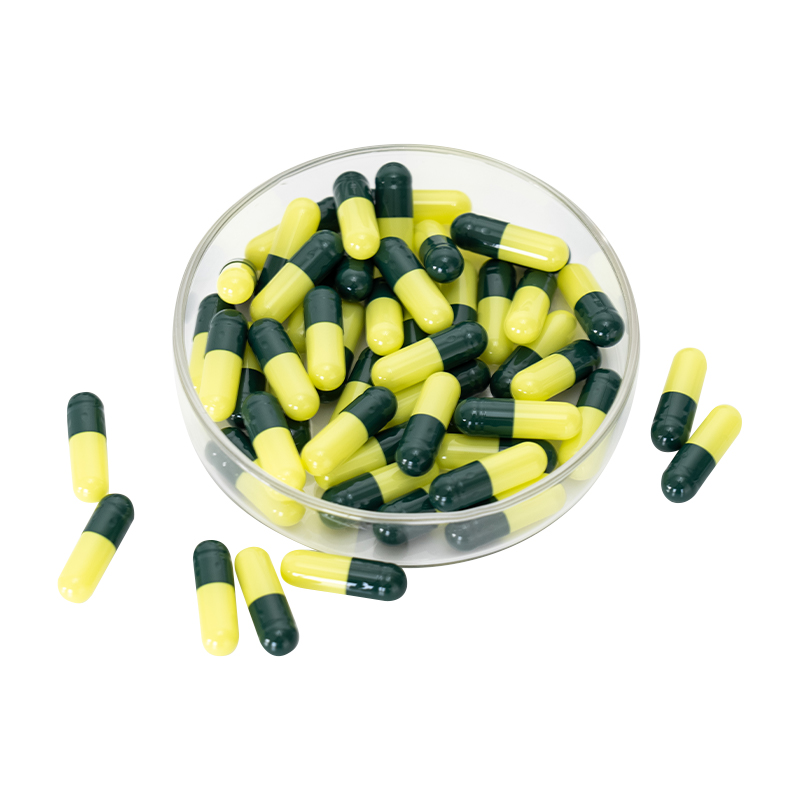
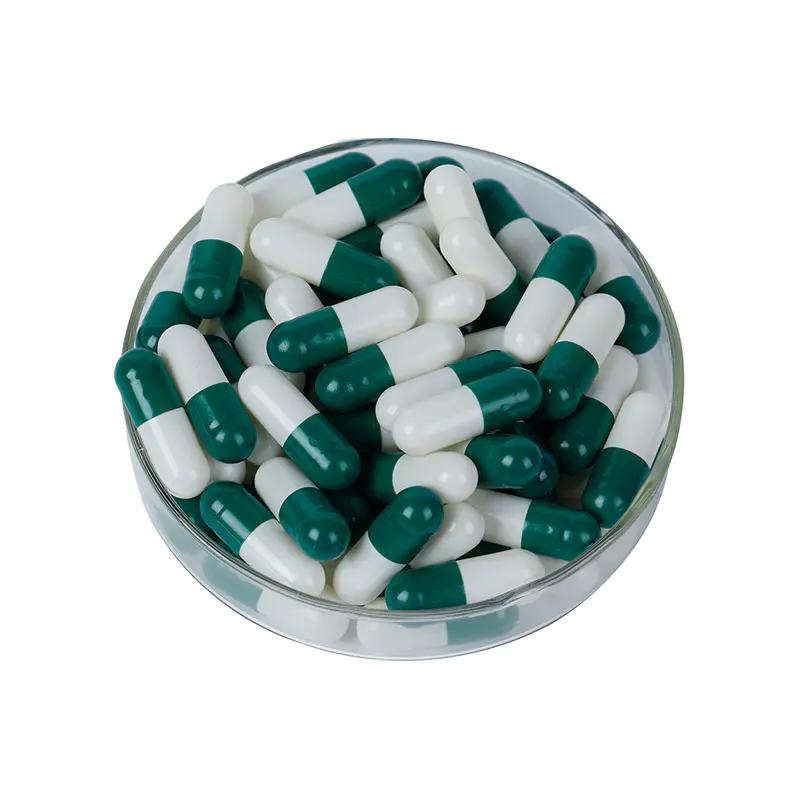
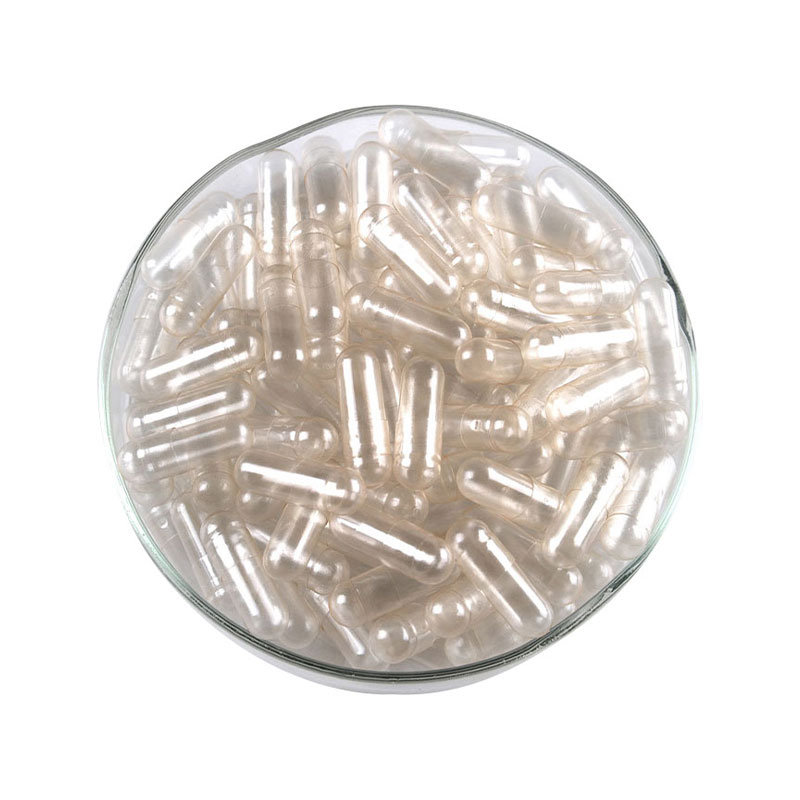
Croscarmellose sodium is also used in the powder or pellet fills of hard shell capsules. In this application, it aids in dispersing the fill contents rapidly once the capsule shell dissolves. This is especially relevant when formulating with an HPMC Capsule — hydroxypropyl methylcellulose capsule shells — which are increasingly preferred for their vegetarian/vegan suitability, low moisture content, and compatibility with hygroscopic APIs. HPMC Capsule shells dissolve more slowly than gelatin shells under some conditions, so including croscarmellose sodium in the fill can compensate by ensuring rapid disintegration of the contents once the shell opens. The combination of an HPMC Capsule shell and croscarmellose sodium in the fill is a practical formulation strategy for moisture-sensitive drugs that also require fast release.
For ODTs, which must disintegrate in the mouth within 30 seconds or less per FDA guidance, croscarmellose sodium is a key excipient. It is typically used at higher concentrations (up to 5% w/w) and combined with other disintegration-enhancing approaches, such as low-compression forces and highly water-soluble fillers, to achieve the required rapid oral disintegration.
The effective concentration range for croscarmellose sodium in oral solid dosage forms is well established. The table below summarizes typical use levels across different application types:
| Dosage Form | Typical Concentration (% w/w) | Addition Method |
|---|---|---|
| Direct compression tablet | 1–3% | Extragranular blend |
| Wet granulation tablet | 1–5% (split intra/extra) | Intra- and extragranular |
| Hard shell capsule fill | 1–3% | Blended with fill powder |
| Orally disintegrating tablet (ODT) | 3–5% | Extragranular or direct blend |
| Chewable tablet | 0.5–1.5% | Direct blend |
A common formulation pitfall is using too much croscarmellose sodium. Beyond approximately 5% w/w, over-swelling can cause tablets to become sticky or result in incomplete disintegration due to gel barrier formation on the surface. Formulators should conduct disintegration testing across a concentration range during development rather than assuming more is always better.
Another consideration is the lubricant used alongside croscarmellose sodium. Magnesium stearate, the most common tablet lubricant, is hydrophobic and can interfere with water penetration into the tablet. Over-blending with magnesium stearate — particularly for more than 3–5 minutes — can significantly impair the disintegration function of croscarmellose sodium. Keeping lubrication time short and using low levels of magnesium stearate (typically 0.25–0.5% w/w) helps preserve disintegration efficiency.
Croscarmellose sodium is generally compatible with most APIs and commonly used pharmaceutical excipients. However, there are several compatibility considerations worth documenting:
Croscarmellose sodium is a polyanionic molecule. In strongly acidic environments (pH below 3), its swelling capacity may decrease because the carboxylate groups become protonated. This can reduce disintegration efficiency for tablets intended to disintegrate in the stomach if the local pH is very low. For such formulations, testing under physiologically relevant pH conditions — not just in deionized water — is essential.
Because croscarmellose sodium can hold moisture, it may not be the best choice for extremely moisture-sensitive APIs in conventional tablet form. For such compounds, encapsulation in an HPMC Capsule with croscarmellose sodium in the fill — rather than a compressed tablet — may reduce overall moisture exposure. HPMC Capsule shells are known for their lower equilibrium moisture content compared to gelatin, making them a preferred option when moisture control is critical. The combination provides both the protective benefit of the HPMC Capsule shell and the rapid-release advantage of croscarmellose sodium in the fill.
Croscarmellose sodium can interact with certain metal ions (e.g., calcium, iron) through ion exchange, potentially reducing its efficacy. In formulations containing calcium-rich fillers such as dibasic calcium phosphate, this interaction has been documented to delay disintegration. Similarly, oxidizing agents can degrade the cellulose backbone over time, affecting long-term stability. Stability studies under ICH Q1A(R2) conditions are recommended to detect any such interactions during development.
There are three major superdisintegrants used in the pharmaceutical industry: croscarmellose sodium, crospovidone (crosslinked PVP), and sodium starch glycolate (SSG). Each has distinct properties that make it more or less suitable for specific formulation scenarios.
| Property | Croscarmellose Sodium | Crospovidone | Sodium Starch Glycolate |
|---|---|---|---|
| Mechanism | Wicking + Swelling | Wicking + Capillary | Swelling (primary) |
| Typical use level | 1–5% | 2–5% | 2–8% |
| Sensitivity to over-wetting | Moderate | Low | High (gel layer formation) |
| pH sensitivity | Reduced at pH <3 | Low sensitivity | Moderate |
| Gluten-free / vegan | Yes (cellulose-derived) | Yes (synthetic) | May vary (starch source) |
| Compatibility with wet granulation | Good | Good | Moderate |
Sodium starch glycolate is particularly prone to gel layer formation at high concentrations or in the presence of excess water, which can paradoxically trap drug and slow release. This makes it less predictable in some wet granulation scenarios. Crospovidone, being non-ionic, is often the go-to choice when ionic interactions with the API are a concern, but it is typically more expensive. Croscarmellose sodium strikes a balance between cost, efficacy, and regulatory precedent that makes it the most widely used superdisintegrant globally.
Croscarmellose sodium has an extensive safety record. Because it is not absorbed from the gastrointestinal tract — it passes through unchanged — systemic toxicity is not a concern at normal pharmaceutical use levels. Acute and chronic toxicity studies in animal models have consistently shown no adverse effects at doses far exceeding any clinically relevant exposure.
The FDA includes croscarmellose sodium in its Inactive Ingredient Database for oral solid dosage forms. Maximum approved amounts in FDA-reviewed products reach up to 54 mg per tablet for immediate-release oral tablets, and higher amounts have been reported in some formulations. The excipient is generally regarded as safe (GRAS status is not formally applicable to pharmaceutical excipients, but the concept of an excellent safety profile is well established through regulatory submissions).
Pharmacopeial requirements for croscarmellose sodium include specifications for:
Suppliers of pharmaceutical-grade croscarmellose sodium provide Certificates of Analysis (CoA) and Drug Master Files (DMFs) referenced in regulatory submissions globally. When qualifying a supplier, pharmaceutical manufacturers should confirm that the supplied material meets USP/Ph. Eur./JP specifications and verify the existence of an up-to-date DMF on file with relevant regulatory authorities.
Beyond prescription pharmaceuticals, croscarmellose sodium is widely used in dietary supplements, nutraceuticals, and over-the-counter (OTC) products. In these applications, it serves the same disintegration function, ensuring that vitamin tablets, mineral supplements, and botanical extracts disperse efficiently after ingestion.
For supplement brands positioning products as vegan or vegetarian-friendly, croscarmellose sodium is an appropriate choice because it is cellulose-derived and contains no animal components. When such products are formulated as capsules rather than tablets, using an HPMC Capsule alongside croscarmellose sodium in the fill delivers a fully plant-based product. HPMC Capsule technology has become standard in the premium supplement market, and combining it with croscarmellose sodium ensures that the capsule contents disperse thoroughly — an important quality attribute when bioavailability claims are part of the product's value proposition.
Disintegration time for supplement tablets is not regulated as strictly as for pharmaceutical products, but most quality-conscious manufacturers target disintegration within 30 minutes in USP Apparatus 1 or 2 dissolution conditions. Croscarmellose sodium at 1–3% w/w readily achieves this target for most supplement matrices, including those with high proportions of herbal powders, which are often more difficult to disintegrate than standard pharmaceutical fillers.
From a manufacturing standpoint, croscarmellose sodium is a relatively easy material to handle. It is free-flowing, non-hygroscopic under typical warehouse conditions, and does not require special storage beyond ambient temperature and humidity control. However, several process-related points deserve attention:
Excessive blending time, especially in high-shear mixers, can reduce particle size and alter the surface properties of croscarmellose sodium. This can impair its swelling capacity. For most applications, blending croscarmellose sodium with a low-shear tumble blender for 5–10 minutes after adding to the main blend is sufficient.
Higher compression forces compact the tablet more densely, reducing porosity and making water penetration more difficult. For formulations relying on croscarmellose sodium, maintaining compression force within a range that achieves adequate hardness (typically 50–150 N for standard tablets) without over-compacting is important. Over-compressed tablets can fail disintegration testing even with adequate disintegrant levels.
Routine in-process controls during tablet manufacturing should include disintegration testing (USP <701>) as part of batch release. For immediate-release tablets, the typical acceptance criterion is disintegration within 15 minutes in 900 mL of water at 37°C. Products containing croscarmellose sodium consistently meet this criterion when formulated and processed appropriately.
Croscarmellose sodium is chemically stable under normal storage conditions. It is not prone to hydrolysis or oxidation under ambient conditions. However, exposure to high humidity over extended periods can increase moisture content, which may affect both flowability and disintegration performance. Storing raw material in sealed containers and monitoring humidity in the production environment are standard precautions.
No. Carboxymethylcellulose sodium (CMC-Na) is a water-soluble polymer used as a thickener, binder, or viscosity modifier. Croscarmellose sodium is cross-linked CMC-Na — the cross-linking makes it water-insoluble and gives it its disintegration properties. They share the same chemical backbone but behave very differently in pharmaceutical formulations.
Croscarmellose sodium can be included in the tablet core of an enteric-coated product. Its presence in the core helps the tablet disintegrate rapidly once the enteric coating dissolves in the intestine. There is no incompatibility between croscarmellose sodium and commonly used enteric coating polymers such as HPMC phthalate, HPMC acetate succinate (HPMCAS), or Eudragit L/S series.
By accelerating tablet disintegration and drug dissolution, croscarmellose sodium generally has a positive effect on bioavailability for BCS Class II and Class IV drugs, where dissolution rate is a limiting factor for absorption. For BCS Class I drugs (high solubility, high permeability), the API absorbs readily regardless of disintegration speed, so the impact on bioavailability is less pronounced but still beneficial for patient experience (faster onset).
Croscarmellose sodium is derived from cellulose, not from wheat, barley, rye, or other gluten-containing sources. It does not contain gluten and is considered safe for individuals with celiac disease. However, individuals with any dietary restriction should always verify the specific source and manufacturing practices with the supplier or the pharmaceutical manufacturer, as cross-contamination during processing is theoretically possible in facilities that also handle gluten-containing materials.
Intragranular croscarmellose sodium is added before granulation and becomes embedded within the granule structure. It primarily helps break down individual granules. Extragranular croscarmellose sodium is added after granulation and aids in breaking apart the compressed tablet matrix. For optimal disintegration in wet granulation products, most formulation scientists recommend a split addition — for example, 1% intragranular and 2% extragranular — to address both levels of disintegration (granule and tablet).
An HPMC Capsule shell provides low moisture transmission, which helps protect moisture-sensitive APIs. When croscarmellose sodium is included in the fill of an HPMC Capsule, the combination ensures that once the shell opens in the gastrointestinal tract, the fill contents disintegrate rapidly rather than clumping together. The HPMC Capsule shell also meets the needs of vegan consumers, aligning well with croscarmellose sodium's plant-based, cellulose-derived status. Together, they represent a clean-label, functionally effective capsule formulation approach.
Your email address will not be published. Required fields are marked *
If you would like to learn more about our products, please feel free to contact us and we will do our to assist you.
Copyright © Shaoxing Zhongya Capsule Co., Ltd. High Quality Empty Capsule Manufacturers Wholesale Transparent Empty Capsule Factory
All Rights Reserved.

