

 English
 中文简体
中文简体 русский

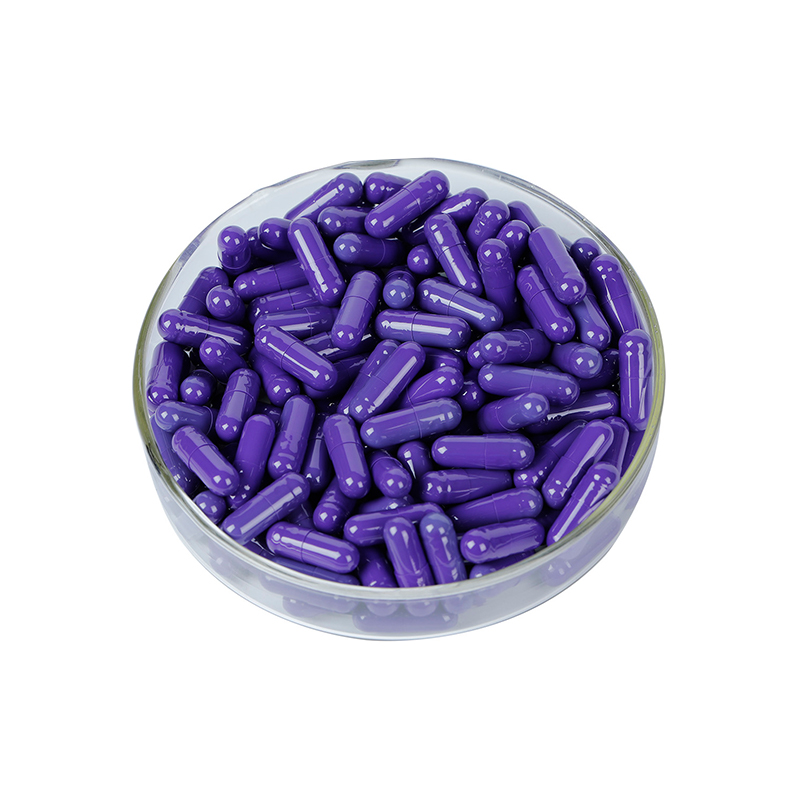
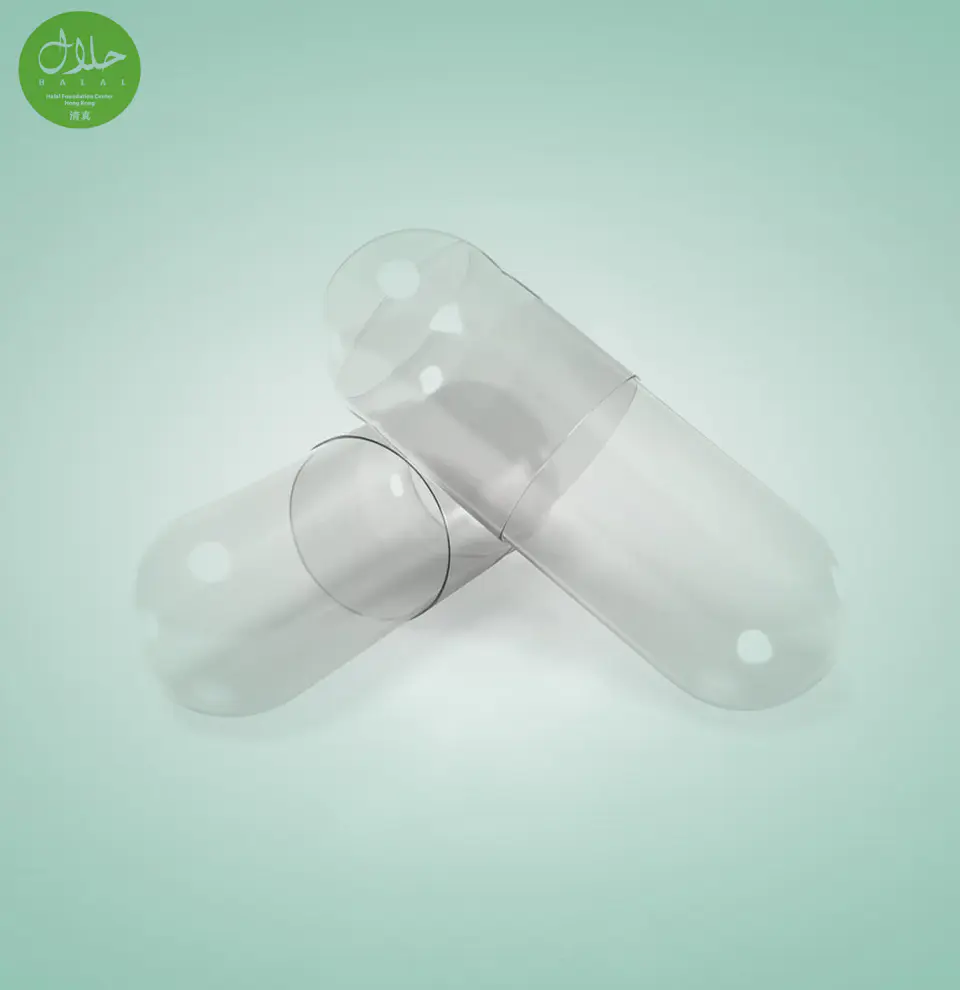
The Definition of a Capsule and Its Core Function
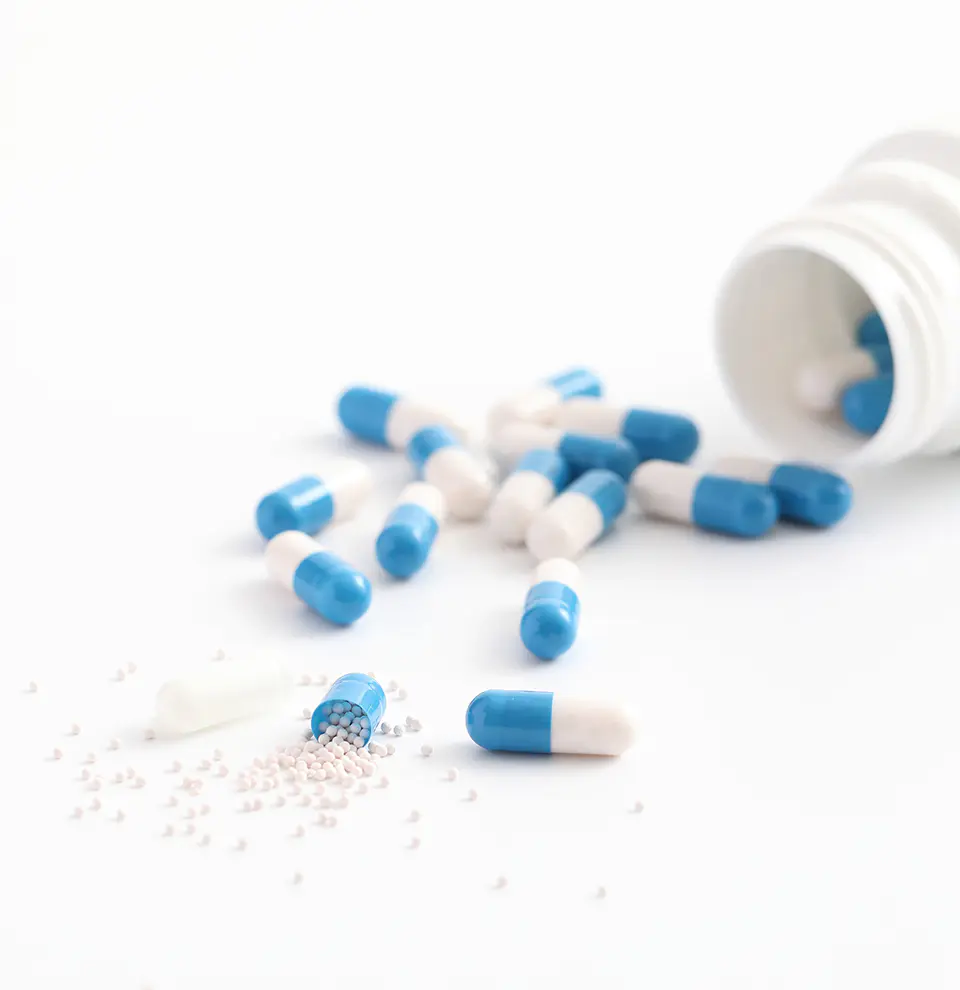
In pharmaceutical and nutraceutical science, a capsule is a solid oral dosage unit consisting of a container (the shell) that holds an active ingredient or formulation. The shell protects the content from moisture, oxygen, and physical damage while making it easy to swallow. Once ingested, the shell dissolves in the gastrointestinal tract and releases the fill material for absorption.
Capsules are broadly classified into two types: hard-shell capsules and soft-gel capsules (softgels). Hard capsules — including the familiar two-piece design — are the category that Transparent Empty Capsules belong to. They consist of a body and a cap that snap together after filling.
The global capsule market was valued at approximately USD 3.6 billion in 2023 and is projected to surpass USD 6.1 billion by 2031, growing at a CAGR of around 6.8%. Hard capsule shells represent the dominant segment, driven by expansion in dietary supplement manufacturing and pharmaceutical outsourcing.
The word "capsule" itself traces back to the Latin capsula, meaning "small box." That description is apt: a capsule is essentially a precisely sized container engineered to carry a specific payload. Unlike tablets, capsules do not require binding agents or high-pressure compression, making them suitable for ingredients that are heat-sensitive or difficult to compress.
Why Capsules Are Preferred Over Tablets in Many Formulations
Tablets have long dominated oral dosage forms, but capsules offer several advantages that make them the first choice in many situations:
- Capsules mask bitter or unpleasant tastes more effectively, since the tongue never contacts the fill material directly.
- They can be filled with oils, liquid suspensions, and oily extracts that cannot be formed into tablets.
- Hard capsules are easier to swallow for most patients, including elderly populations, because of their smooth, slippery surface when wet.
- They provide faster disintegration times than many tablet formulations — typically dissolving within 15 to 30 minutes in the stomach under normal gastric pH conditions.
- Smaller production runs are feasible; you can fill capsules manually or with semi-automatic machines at low volumes.
- Custom branding and color options are broad, enabling manufacturers to differentiate products by capsule color, imprint, or band.
What Makes a Transparent Empty Capsule Different From Other Capsule Types
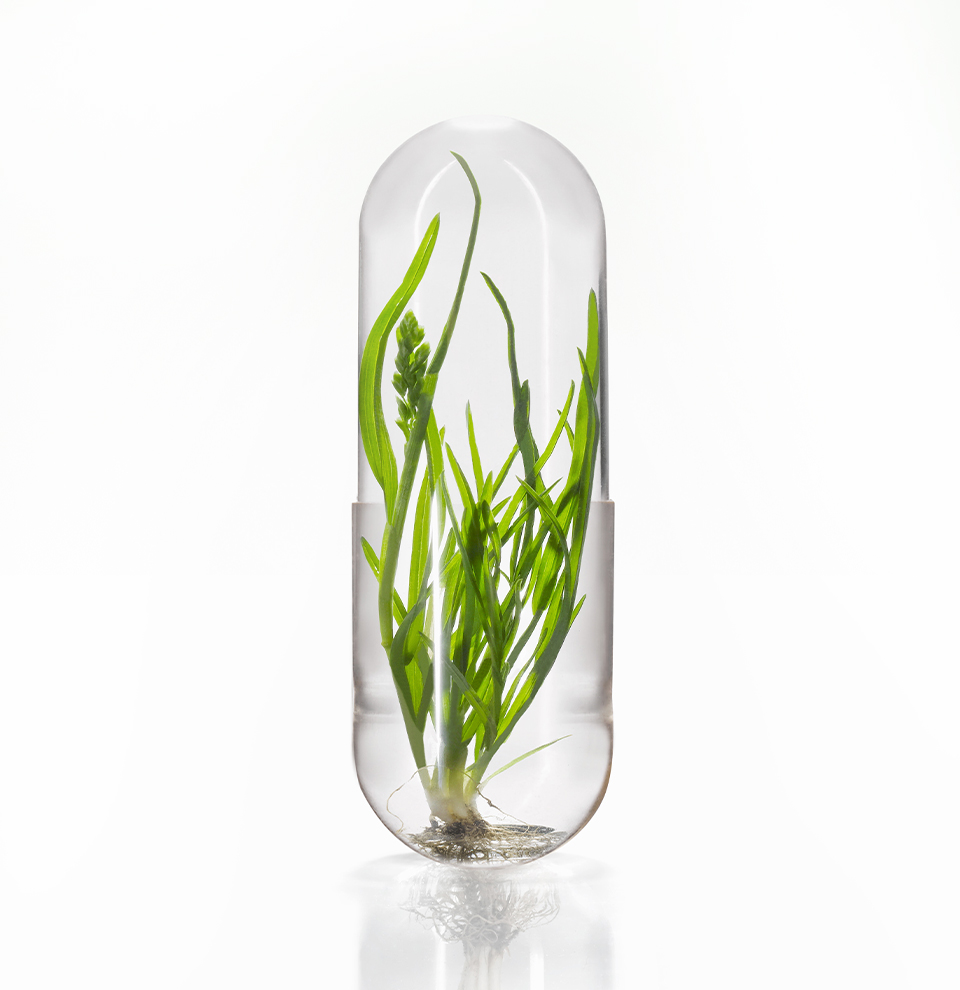
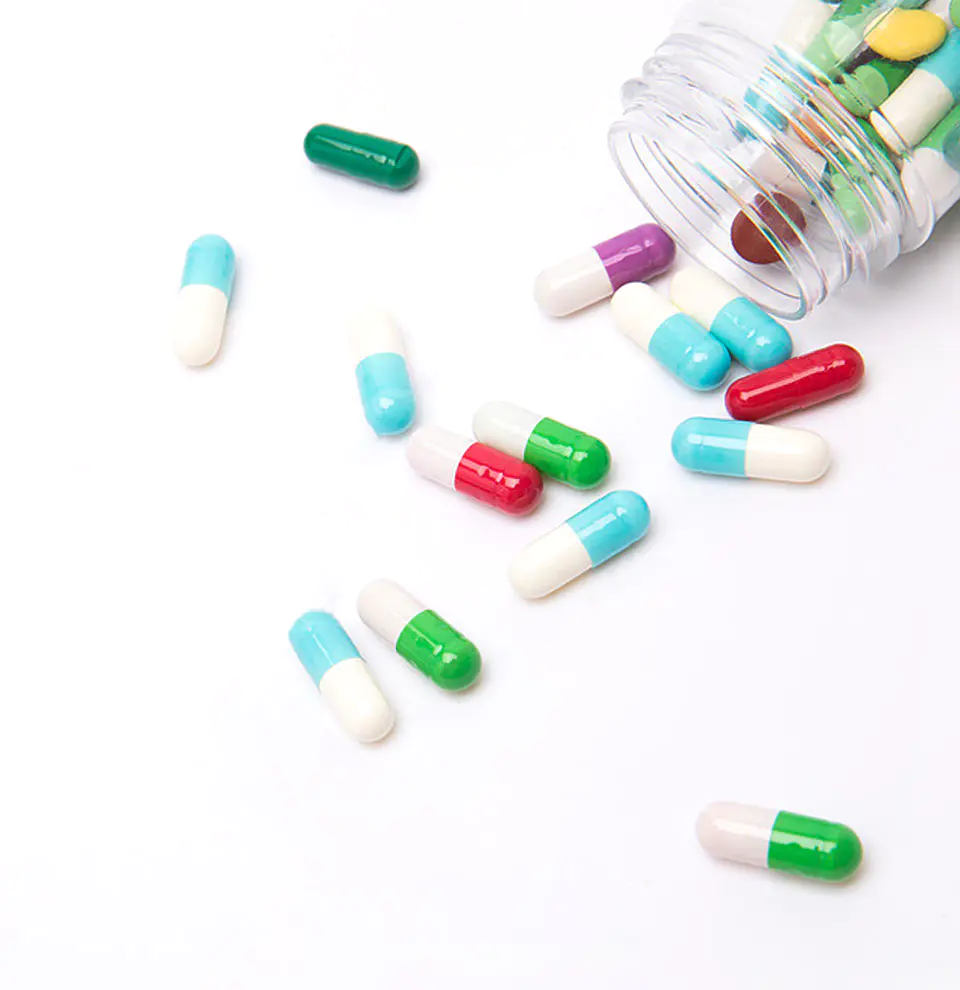
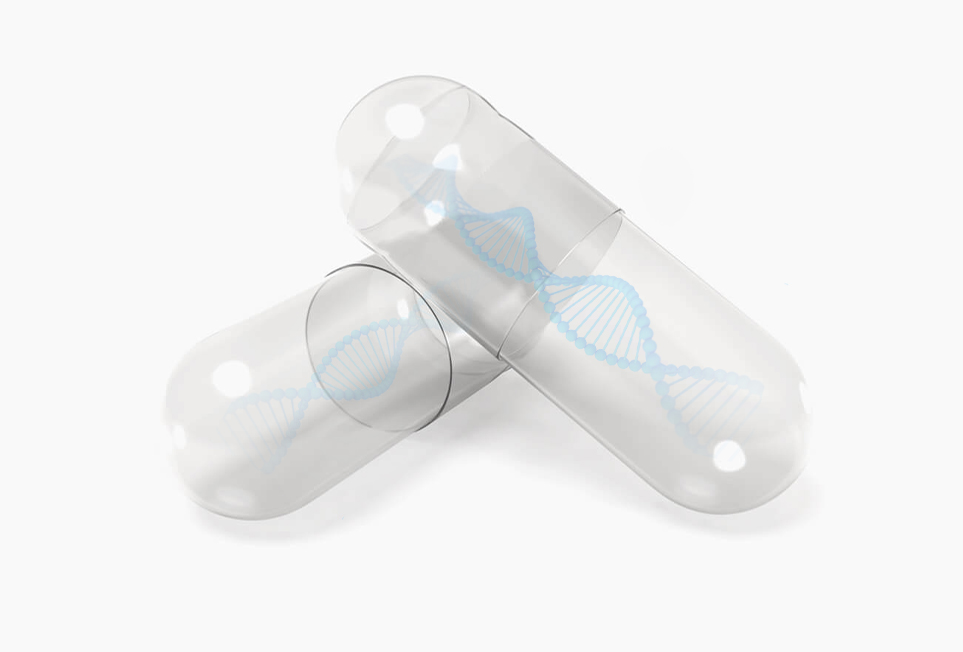
Most people picture opaque gelatin capsules in red, yellow, or blue when they think of capsules. A Transparent Empty Capsule, by contrast, has a clear or translucent shell — typically colorless or with a very faint tint — through which the fill material can be seen directly. This visual distinction carries real practical significance.
Structural Characteristics
A standard two-piece hard capsule shell is manufactured by dipping stainless steel pins into a hot polymer solution (gelatin or HPMC), allowing the film to set, stripping it off, trimming it to length, and joining body and cap. In transparent versions, no titanium dioxide or opacifying pigment is added to the formulation. The result is a shell through which contents are fully visible.
Transparent capsules are available in the same international sizing standards as opaque versions: from Size 000 (the largest, holding up to 1,400 mg of powder) down to Size 5 (the smallest, holding approximately 130 mg). The most commonly used sizes in supplements are Size 00 and Size 0.
Why Transparency Matters in Practice
For manufacturers, the clear shell of a Transparent Empty Capsule provides:
- Quality control visibility — Inspectors can see fill level, uniformity, color consistency, and absence of foreign matter without opening the capsule.
- Consumer trust signals — Shoppers who see the actual ingredient inside the capsule tend to trust the product more, particularly in the premium supplement category.
- Absence of additives — Since no colorants or opacifiers are used, transparent capsules often appeal to clean-label brands and formulators targeting minimalist ingredient lists.
- Clinical trial clarity — Transparent capsules are commonly used in research settings where placebo matching or visual fill verification is required.
| Feature | Transparent Empty Capsule | Opaque Capsule | Colored Capsule |
|---|---|---|---|
| Shell Visibility | Full (see contents) | None | None to partial |
| Additives (colorant/TiO₂) | None | TiO₂ present | Dyes/pigments added |
| Clean Label Appeal | Very High | Moderate | Lower |
| Branding Flexibility | Moderate | High | Very High |
| QC Inspection Ease | Very Easy | Difficult | Difficult |
| Common Applications | Supplements, Pharma, R&D | OTC drugs, generics | Branded supplements |
Materials Used to Manufacture Empty Capsule Shells
The choice of shell material profoundly affects the capsule's dissolution behavior, compatibility with fill ingredients, moisture sensitivity, stability, and suitability for specific consumer populations. Two primary materials dominate the industry today.
Gelatin Capsules
Gelatin remains the most widely used capsule shell material globally. It is derived from collagen hydrolysis — typically from bovine hides or porcine bones and skin. Pharmaceutical-grade gelatin is characterized by controlled bloom strength (usually 150 to 250 Bloom), precise viscosity, and strict heavy metal limits.
Advantages of gelatin capsule shells include:
- Rapid and predictable dissolution in gastric and intestinal fluids.
- Natural film-forming properties that produce a smooth, glossy surface without plasticizer overload.
- Excellent compatibility with most dry powder and pellet fills.
- Lower manufacturing cost compared to alternatives.
The critical limitation of gelatin is that it is animal-derived, making it unsuitable for vegetarian, vegan, halal, and kosher markets without special certification.
HPMC (Hydroxypropyl Methylcellulose) Capsules
Hydroxypropyl methylcellulose capsules — often called veggie caps or plant-based capsules — are made from cellulose sourced from wood pulp or cotton. They represent the fastest-growing segment of the empty capsule market. HPMC capsules are 100% plant-derived, compatible with vegetarian and vegan certifications, halal, and kosher.
Key technical properties of HPMC capsule shells:
- Lower moisture content — gelatin shells contain 12–16% moisture; HPMC shells contain just 3–6%, making them superior for hygroscopic fills and moisture-sensitive APIs.
- Stable over a broader range of humidity and temperature conditions during storage.
- No cross-linking reaction with aldehydes, which is a known concern with gelatin formulations containing reducing sugars.
- Suitable for enteric coating and modified-release formulations with appropriate coating systems.
HPMC capsules cost approximately 30 to 50% more than comparable gelatin capsules, but the premium is accepted by supplement brands targeting health-conscious, plant-based consumer segments — a market growing at over 9% annually in North America and Europe.
Pullulan Capsules
A smaller but growing category, pullulan capsule shells are produced from a polysaccharide fermented from tapioca starch. They offer an oxygen barrier that is up to 300 times better than standard gelatin, making them ideal for oxygen-sensitive compounds such as probiotics, CoQ10, and certain herbal extracts. They are also plant-based and fully transparent by nature.
Standard Capsule Sizes and Fill Capacities Explained
One of the first practical questions any formulator asks is: which size capsule do I need? The answer depends on the fill density of the active ingredient and the target dosage per capsule. International sizing follows a standardized scale originally developed by capsule manufacturers in the early 20th century, and it remains consistent across gelatin and HPMC shells today.
| Size | Volume (mL) | Avg. Powder Capacity (mg) | Typical Application |
|---|---|---|---|
| 000 | 1.37 mL | Up to 1,400 mg | Large-dose supplements, multi-herb blends |
| 00 | 0.91 mL | 500–750 mg | Vitamins, probiotics, herbal extracts |
| 0 | 0.68 mL | 350–500 mg | Standard supplement formulations |
| 1 | 0.50 mL | 250–400 mg | Pharma APIs, concentrated extracts |
| 2 | 0.37 mL | 180–300 mg | Pediatric-friendly doses, specialty APIs |
| 3 | 0.27 mL | 120–200 mg | Low-dose drugs, potent botanicals |
| 4 | 0.21 mL | 90–150 mg | Micro-dose APIs |
| 5 | 0.13 mL | 60–130 mg | Very potent compounds, clinical research |
Note that these capacity figures are approximations. The actual fill weight depends heavily on the bulk density of the powder. A fluffy herbal powder may fill a Size 00 capsule with only 400 mg, while a dense crystalline API might allow over 700 mg in the same capsule shell. Formulators always measure tap density and bulk density before selecting capsule size.
Key Applications of Transparent Empty Capsules Across Industries
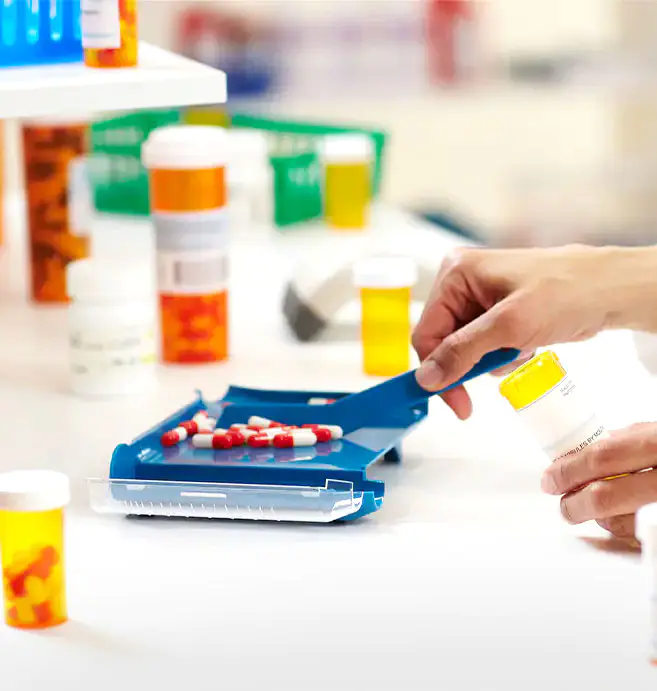
Empty capsule shells serve a broader range of end-use markets than most people realize. Their versatility comes from the separation of capsule production from fill production: the shell is a neutral vehicle, and what goes inside is determined by the manufacturer or pharmacist.
Dietary Supplements and Nutraceuticals
This is by far the largest end-use category. The global dietary supplements market exceeded USD 180 billion in 2024, and capsules account for the largest product form category within it, ahead of tablets, softgels, and gummies. Typical supplement applications for transparent empty capsules include:
- Vitamins D3, B12, K2, and multivitamin blends in powder or pellet form.
- Herbal extracts such as ashwagandha, turmeric, lion's mane, and berberine.
- Probiotic strains where transparency allows manufacturers to verify fill without disrupting the capsule.
- Amino acids, nootropics, and sports nutrition compounds including creatine, beta-alanine, and adaptogens.
Transparent capsules are especially popular in premium supplement brands that emphasize ingredient transparency, clean-label positioning, and consumer trust.
Pharmaceutical Drug Delivery
In the pharmaceutical sector, empty capsule shells are used in three primary ways. First, compounding pharmacies fill them with customized API doses tailored to individual patient needs — a practice that was valued at over USD 10 billion in the United States market alone in 2023. Second, research and development labs use empty shells to administer blinded doses during preclinical and Phase I–III clinical trials. Third, branded drug manufacturers use hard capsule dosage forms for APIs that are poorly compressible or require rapid dissolution.
Veterinary Applications
Transparent empty capsules are used extensively in veterinary compounding to administer medications to companion animals (dogs, cats) and equine patients. The size range from 000 down to 5 accommodates dosing from large horses to small rodents. Clear shells allow veterinary pharmacists to confirm fill without opening the capsule, which is critical when dealing with very small quantities of potent drugs.
Research, Placebo, and Clinical Trial Use
Clinical researchers prize transparent capsules for their versatility in blinding studies. When participants in a double-blind trial need to receive either an active compound or a placebo, the capsule shell must look identical in both cases. Using clear capsules filled with matched powders simplifies the matching process. Many research institutions order transparent empty capsules in bulk from GMP-certified manufacturers to ensure consistent physical properties across entire study runs.
How Transparent Empty Capsules Are Made: The Manufacturing Process
Understanding how capsule shells are manufactured helps formulators appreciate why material specifications matter and why not all empty capsules deliver the same performance. The dominant production method is the dip-coating (pin-bar) process, which has been refined over more than a century of capsule manufacturing.
- Solution Preparation — Gelatin or HPMC is dissolved in purified water at controlled temperatures to form a viscous casting solution. Plasticizers may be added to control shell flexibility.
- Dipping — Hundreds of stainless steel pins (shaped like capsule bodies and caps) are simultaneously dipped into the casting solution and withdrawn at a controlled rate to deposit an even film.
- Drying — The coated pins pass through a series of drying ovens with precisely controlled temperature and humidity profiles. For gelatin, this typically takes 20–45 minutes; HPMC requires different drying parameters.
- Stripping — The dried shell segments are mechanically stripped from the pins and inspected for defects such as dents, bubbles, and uneven wall thickness.
- Trimming — Both body and cap are trimmed to exact length specifications. Wall thickness uniformity is critical: variations beyond ±5 microns can affect fill weight consistency and dissolution behavior.
- Joining and Inspection — Bodies and caps are pre-joined and passed through automated visual inspection systems that detect defects using camera and light-scattering technology at rates exceeding 150,000 capsules per hour.
- Packaging — Finished empty shells are packaged in controlled humidity environments, typically at 35–65% relative humidity, in sealed poly bags, bottles, or cartons for shipment to customers.
Reputable manufacturers follow ICH Q7 and GMP guidelines, and their capsule shells are produced under conditions compliant with FDA, EMA, and other regulatory requirements. Key quality parameters tested include moisture content, disintegration time, dimensional tolerances, microbial limits, and heavy metal content.

Dissolution Behavior: How Quickly Does a Capsule Release Its Contents?
The rate at which a capsule shell dissolves in the gastrointestinal tract directly determines when and where the active ingredient is absorbed. This is a critical pharmacokinetic variable and a primary reason why formulators choose capsule materials carefully.
Standard gelatin transparent capsules disintegrate in simulated gastric fluid (SGF, pH 1.2) within 5 to 20 minutes under USP dissolution test conditions (apparatus I or II, 50–100 rpm). In simulated intestinal fluid (SIF, pH 6.8), disintegration typically occurs within 30 to 45 minutes. HPMC capsules behave similarly but with slightly longer disintegration times at low pH, while performing comparably in intestinal conditions.
Enteric and Modified-Release Capsules
Standard transparent empty capsules dissolve in the stomach. However, some formulations require the active ingredient to survive gastric acid and be released only in the intestine. For this purpose, the capsule shell — or the filled capsule — is coated with enteric polymers such as HPMC phthalate (HPMCP), HPMC acetate succinate (HPMCAS), or Eudragit L/S grades.
An enteric-coated capsule remains intact at gastric pH below 5.5 but rapidly dissolves once pH rises above 6.0 in the proximal small intestine. This approach is critical for proton pump inhibitors, certain probiotics, and enzymes that would be inactivated by gastric acid.
Important formulation note: The fill material inside a transparent empty capsule also affects dissolution. Hydrophilic powders that absorb water quickly can accelerate shell disintegration by swelling and creating pressure on the shell walls. Oils and waxes may require emulsification or self-emulsifying drug delivery system (SEDDS) formulation to ensure adequate release from a hard capsule.
Storage, Handling, and Shelf Life of Empty Capsule Shells
Empty capsule shells are sensitive to environmental conditions. Improper storage is one of the most common causes of manufacturing defects, including capsule brittleness, stickiness, distortion, and poor joinability. This section covers the essential storage requirements that manufacturers, formulators, and compounding pharmacists must follow.
Optimal Storage Conditions
- Temperature: Store between 15°C and 25°C (59°F to 77°F). Temperatures below 15°C can cause brittleness; temperatures above 30°C can promote sticking and deformation.
- Relative Humidity: Maintain between 35% and 65% RH for gelatin capsules. HPMC capsules tolerate slightly lower humidity. Below 35% RH, shells become brittle and crack during filling; above 65%, they may stick together or distort.
- Light: Protect from direct sunlight and UV radiation. Many capsule manufacturers supply shells in opaque packaging or light-resistant containers for this reason.
- Odor: Store away from strong-smelling substances. Gelatin capsule shells can absorb odors from nearby materials, which may affect the finished product's sensory profile.
Shelf Life
Under correct storage conditions, gelatin empty capsule shells typically have a shelf life of 2 to 3 years from the date of manufacture. HPMC shells may have similar or slightly shorter stated shelf lives depending on the manufacturer. Acclimatization — allowing capsule shells to equilibrate to the filling room's temperature and humidity for a minimum of 24 hours before use — is standard practice in professional filling operations to prevent cracking and splitting during filling.
Regulatory Considerations for Transparent Empty Capsules
Whether a transparent empty capsule is used in a pharmaceutical drug or a dietary supplement, it must meet applicable regulatory standards. These standards differ by geography and by the intended use of the finished product.
Pharmacopeial Standards
The United States Pharmacopeia (USP), European Pharmacopoeia (Ph. Eur.), and Japanese Pharmacopoeia (JP) all contain monographs for hard capsule shells covering identity, water content, disintegration, microbial limits, and heavy metals. Gelatin used in pharmaceutical capsule shells must meet USP <1085> or equivalent standards. HPMC must meet its own pharmacopeial specifications for degree of substitution and viscosity grade.
GMP Compliance
Capsule shell manufacturers supplying pharmaceutical customers must operate under cGMP (current Good Manufacturing Practice) regulations, including FDA 21 CFR Part 211 in the United States and EU GMP Annex 11 in Europe. Suppliers should provide certificates of analysis (CoA), batch records, and third-party audit reports. For dietary supplement applications, compliance with NSF/ANSI 173, Informed Sport, or USP Dietary Supplement Verification is increasingly expected by brand customers.
Halal, Kosher, and Vegan Certifications
Market access to certain regions and demographic segments requires appropriate certification. Transparent HPMC capsules are inherently suitable for halal, kosher, and vegan certification since they contain no animal-derived material. Gelatin capsules can be halal or kosher certified if the gelatin is sourced from properly slaughtered animals of the correct species, certified by an accredited certifying body. Manufacturers serving global markets increasingly stock both gelatin and HPMC shell options to address these requirements.
How to Choose the Right Transparent Empty Capsule for Your Formulation
Selecting the correct capsule shell is not merely a packaging decision — it is a formulation decision with downstream effects on product stability, bioavailability, regulatory compliance, and consumer appeal. The following framework helps formulators make evidence-based choices.
- Identify Fill Compatibility — Assess whether your API or supplement blend is hygroscopic (if so, prefer HPMC for its lower moisture content), aldehyde-containing (gelatin cross-links with aldehydes — choose HPMC), or oil-based (hard capsules require self-emulsifying formulation for liquid fills). Test compatibility by exposing fill material in closed contact with each shell type at accelerated conditions.
- Define Dosage Requirements — Calculate the required fill weight based on target dose and ingredient density. Select the smallest capsule size that accommodates the dose to minimize the burden on the consumer (smaller capsules are easier to swallow and cost less per unit).
- Evaluate Consumer Demographics — Vegetarian, vegan, halal-only, or kosher-only target markets require HPMC or pullulan shells. Transparent shells add a clean-label positioning advantage for premium health-focused consumers.
- Consider Dissolution Profile Needs — Standard transparent capsules deliver immediate release. Enteric release, delayed release, or sustained release require additional coating or specialized fill strategies.
- Validate with Accelerated Stability Testing — Once the capsule-fill combination is identified, conduct ICH Q1A-aligned stability testing at 40°C/75% RH (accelerated) and 25°C/60% RH (long-term) for a minimum of 6 months before commercial launch. Check dissolution, assay, moisture content, and appearance at each time point.
- Verify Supplier GMP Status and Documentation — Obtain CoAs, supplier audits, and pharmacopeial compliance documentation. For pharmaceutical applications, qualify the capsule shell as an excipient per ICH Q8/Q9/Q10 principles.
For most standard dietary supplement formulations involving dry powders or granules, a Size 00 or Size 0 HPMC Transparent Empty Capsule offers the best combination of fill capacity, stability, clean-label compliance, and broad consumer acceptability. This size range is compatible with both high-speed automatic filling equipment (producing 150,000–200,000 capsules per hour) and benchtop manual filling systems used by small-batch producers.
Innovations in Capsule Technology: What's Changing in the Industry
The empty capsule shell is far from a static, commoditized product. Significant R&D investment from major suppliers such as Lonza Capsugel, ACG, Qualicaps, and Capsugel (now part of Lonza) is driving innovation across materials, form factors, and functional properties.
Liquid-Filled Hard Capsules (LFHC)
Traditional hard capsules are filled with powders, pellets, or granules. Liquid-filled hard capsule technology allows viscous liquids, semi-solids, and self-emulsifying lipid systems to be filled into two-piece hard shells and sealed with a band of gelatin or HPMC solution. This approach is transforming the delivery of lipophilic APIs that have poor bioavailability in conventional solid dosage forms. Studies have shown bioavailability improvements of 200 to 400% for certain BCS Class II compounds delivered via LFHC versus conventional capsule formulations.
Enteric Seamless Capsules
Seamless capsule technology, primarily developed in Japan, produces spherical capsules 3–8 mm in diameter with no seam between body and cap. These are manufactured through a multi-nozzle dropping process into an oil bath. When coated enteric, they provide targeted intestinal release. Transparent versions are available and offer unique visual appeal in transparent gelatin capsules that contain a colorful inner sphere — a format increasingly adopted in premium nutraceuticals.
Specialty Functional Capsules
Several suppliers now offer transparent capsule shells with built-in functional modifications:
- Acid-resistant HPMC capsules that provide delayed release without additional enteric coating, simplifying the manufacturing process.
- Oxygen-barrier pullulan capsules that protect oxygen-sensitive ingredients such as omega-3 oils, probiotics, and CoQ10 from oxidative degradation throughout shelf life.
- Customizable clear-banded capsules where a visible colored or metallic band at the capsule seam adds brand differentiation while maintaining the transparent body that shows the fill material.
Digital Printing on Capsules
High-resolution inkjet printing directly onto capsule shells — including transparent ones — is becoming commercially viable at scale. This allows brand names, logos, dosage information, and lot numbers to appear directly on the shell body, improving anti-counterfeiting protection and consumer communication without additional labeling costs. On transparent shells, black or colored ink printing creates a particularly striking visual contrast with the fill inside.

