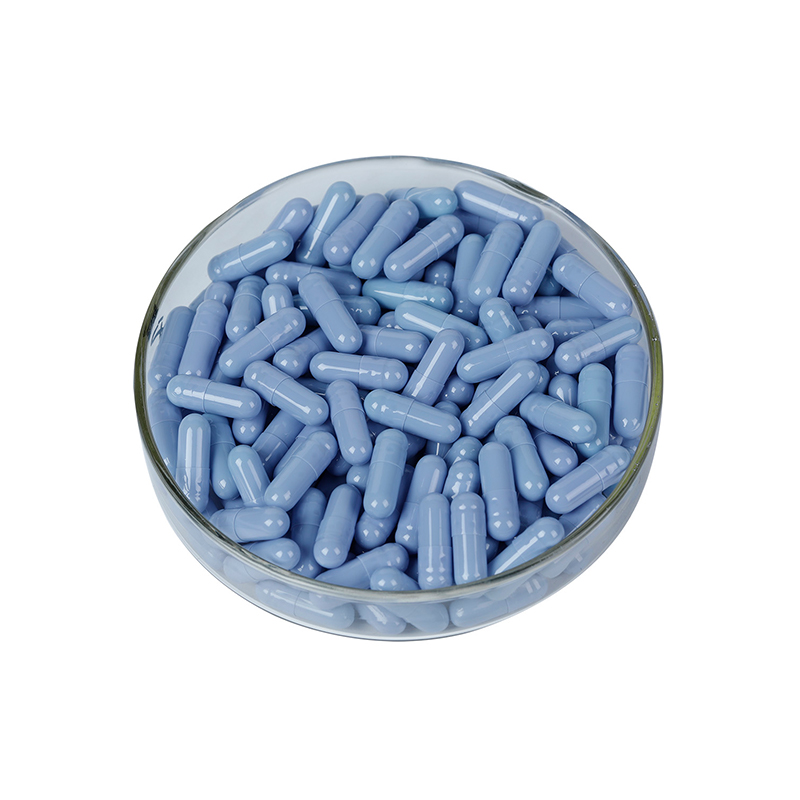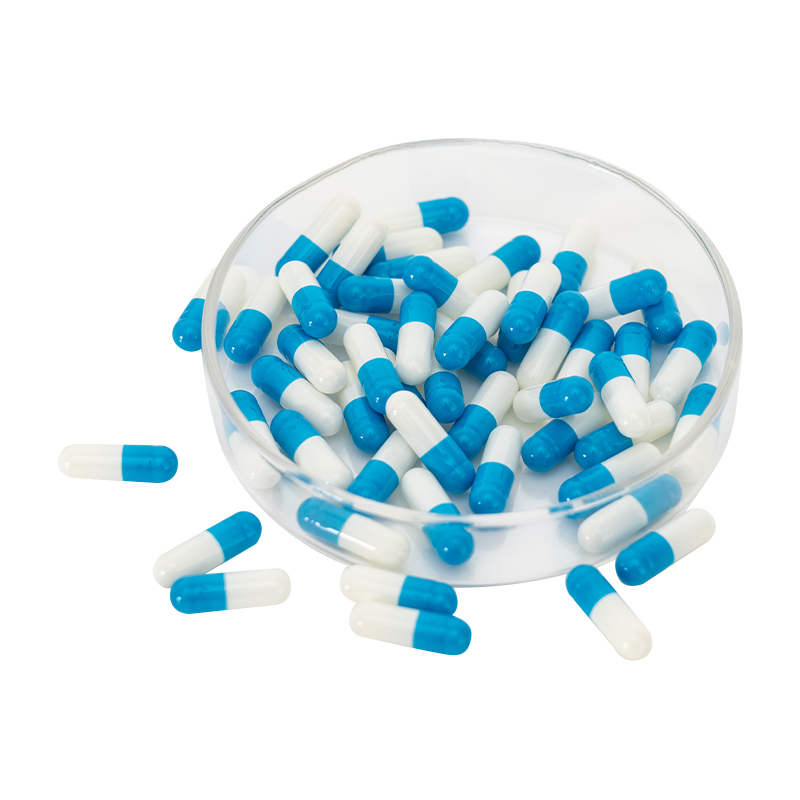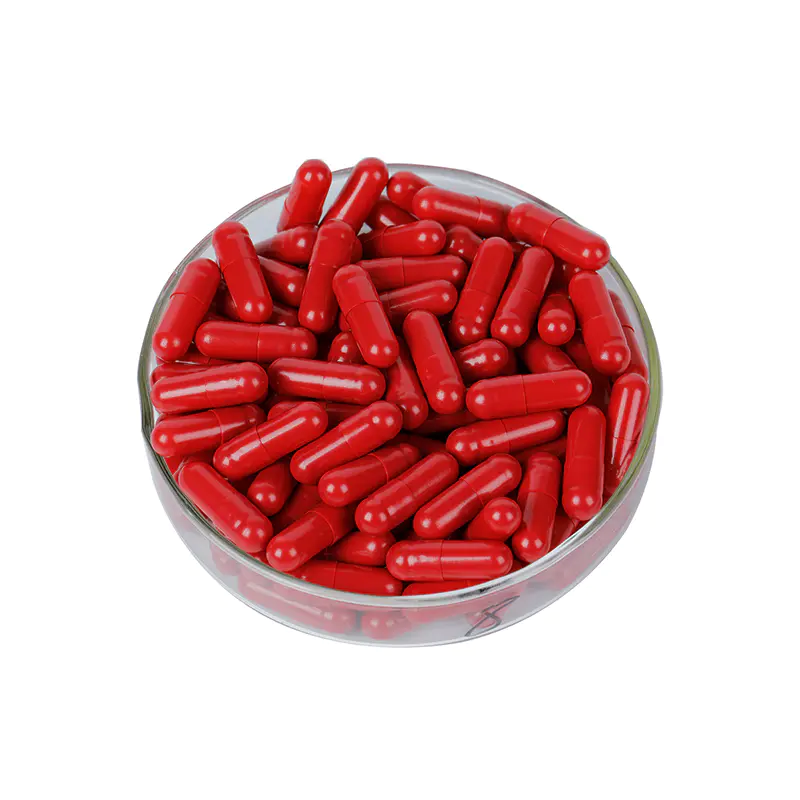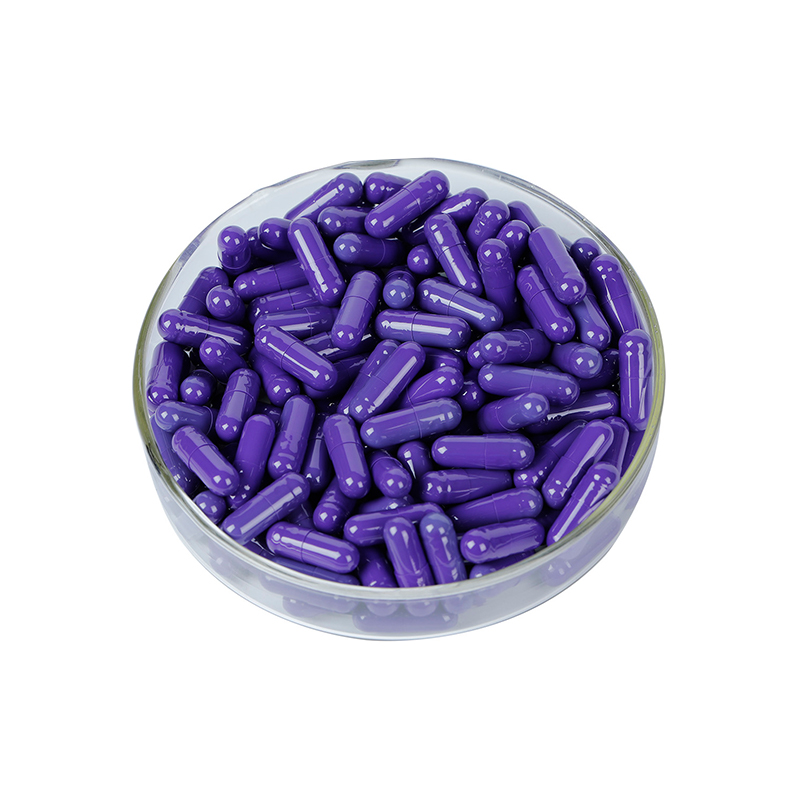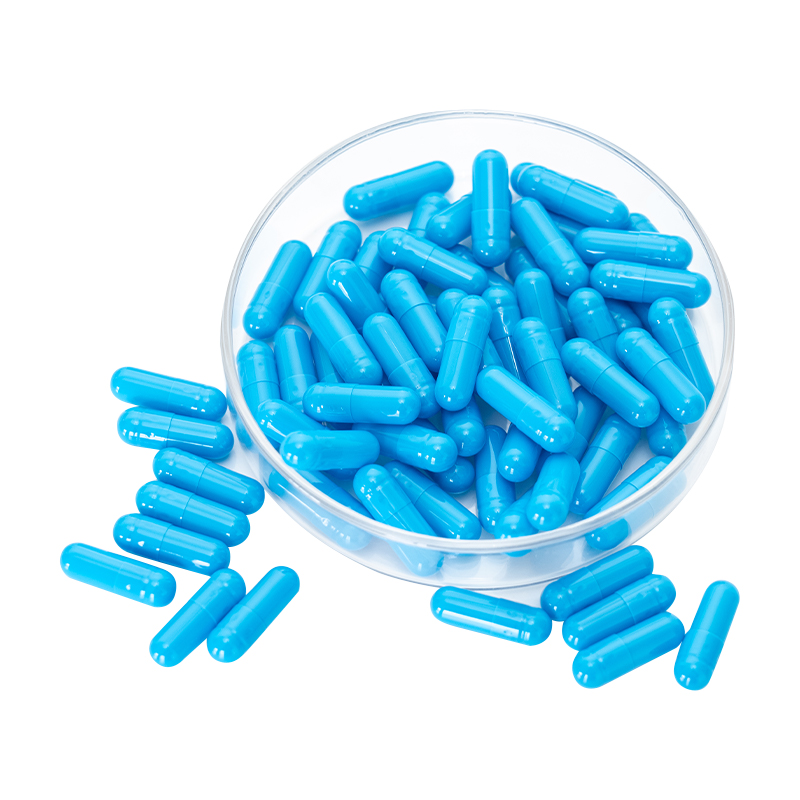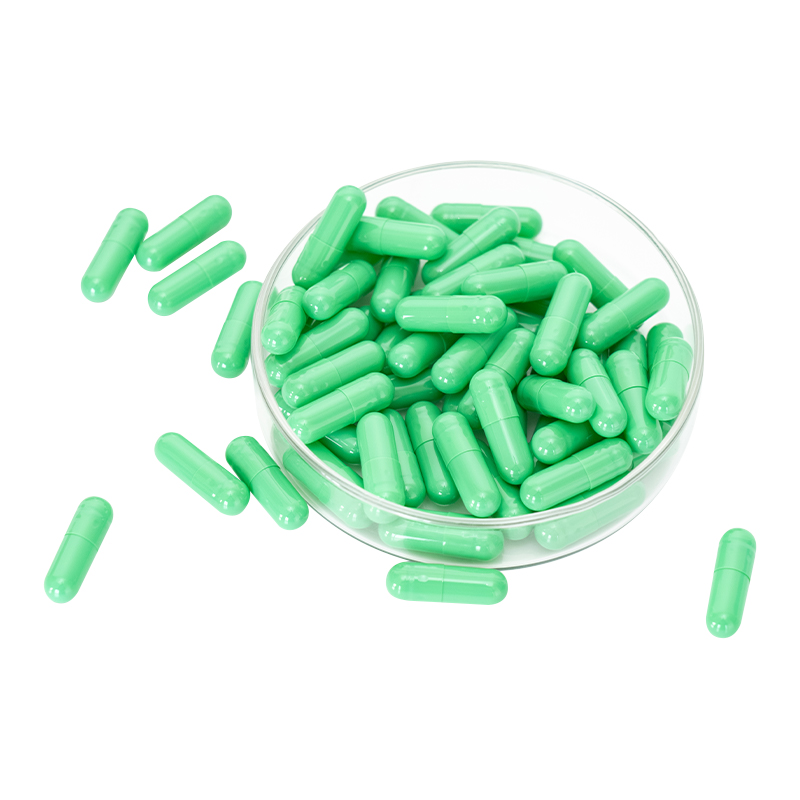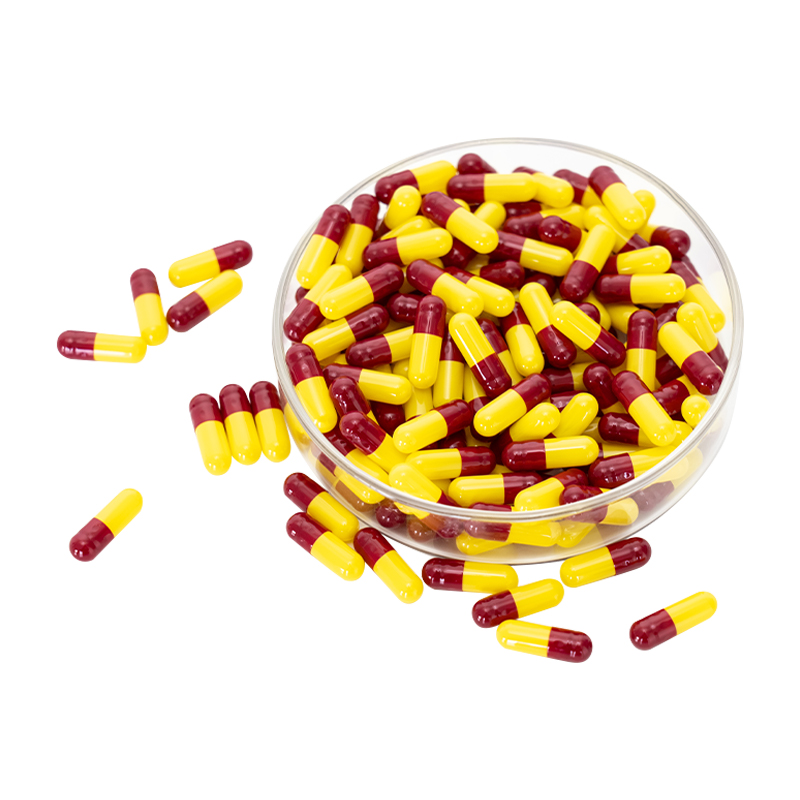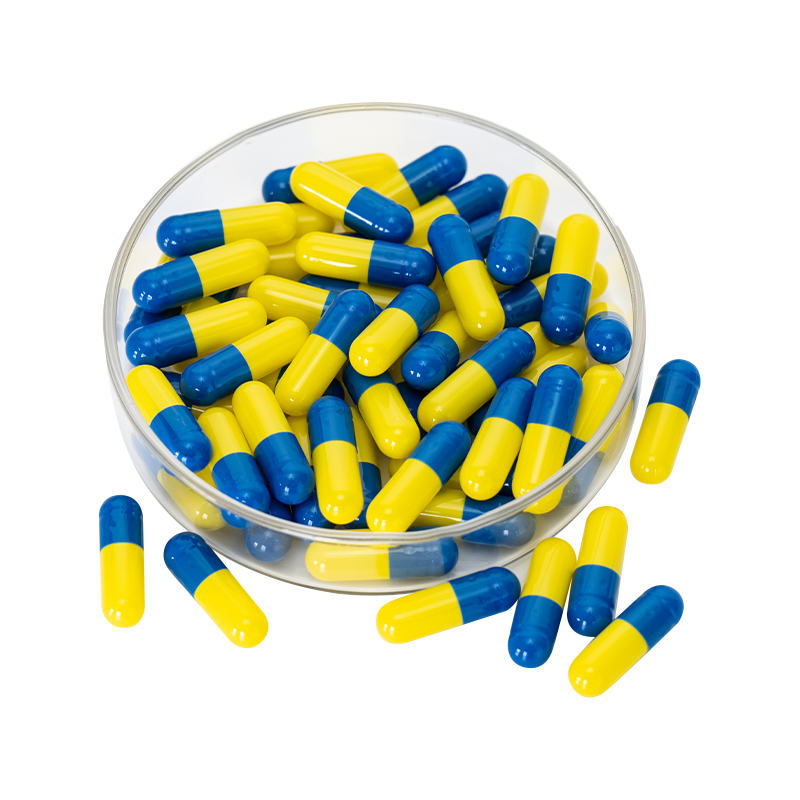
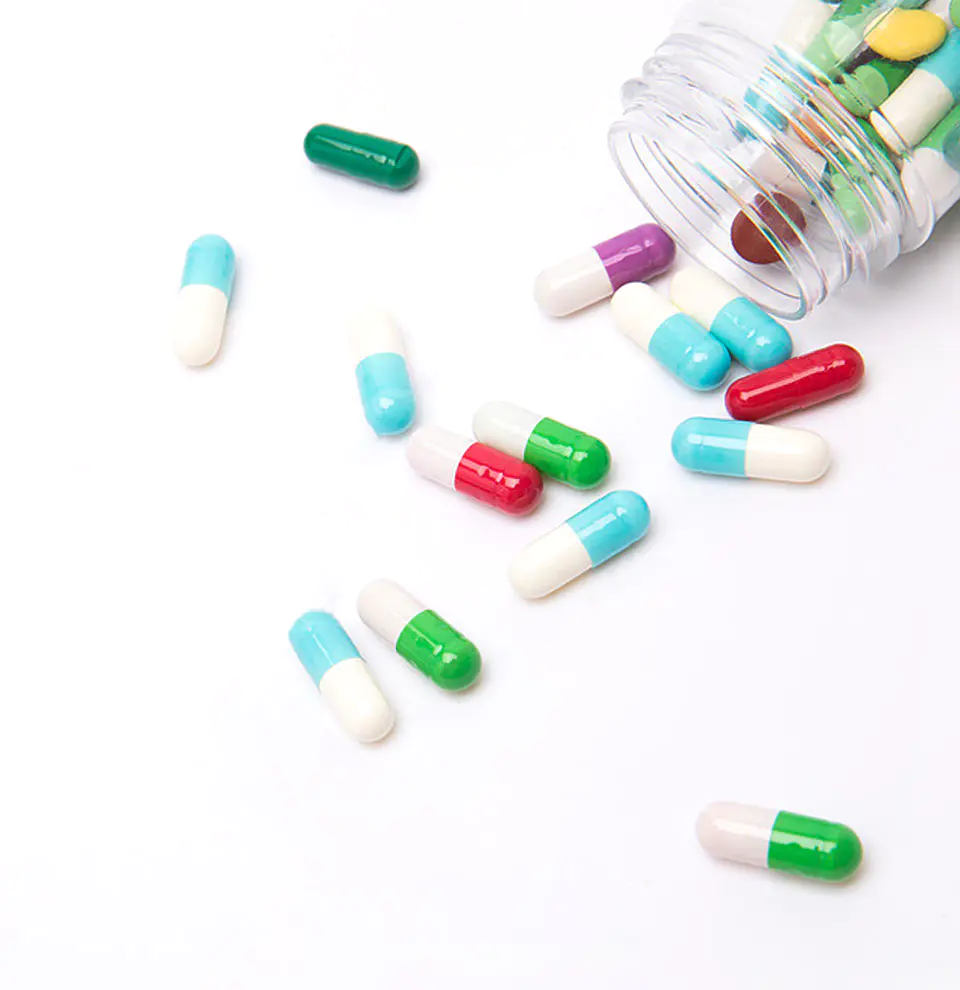
Halal Certificated Empty Capsule Manufacturers

Home / Products / HALAL Capsule
Shaoxing Zhongya Capsule Co., Ltd.
Since its establishment in 1992 under the name Xinchang Yaxing Industrial Co., Ltd., Shaoxing Zhongya Capsules Co., Ltd. has remained committed to the core values of "Integrity, Dedication, and Innovation." Our mission is to provide outstanding capsule products to customers worldwide.
Shaoxing Zhongya Capsule Co., Ltd. is China OEM halal certificated empty gelatin capsule shell manufacturers and ODM empty halal capsule suppliers, Located in southeastern Xinchang, Zhejiang Province, at the picturesque foot of Tianmu Mountain, our company draws inspiration from the natural beauty that once captivated the legendary poet Li Bai. This rich cultural and scenic heritage fuels our craftsmanship and pursuit of excellence.
Our 40-acre facility features a 20,000-square-meter modern production plant and a team of over 70 skilled employees, ensuring an annual production capacity of 8 billion capsules. We specialize in custom empty halal capsule, We manufacture eight different capsule sizes, including 00#, 0#, 1#, 2#, 3#, 4#, 00B#, and 0#EL, to meet the diverse needs of our customers.
Shaoxing Zhongya Capsule Co., Ltd.

Video

Shaoxing Zhongya Capsule Co., Ltd.

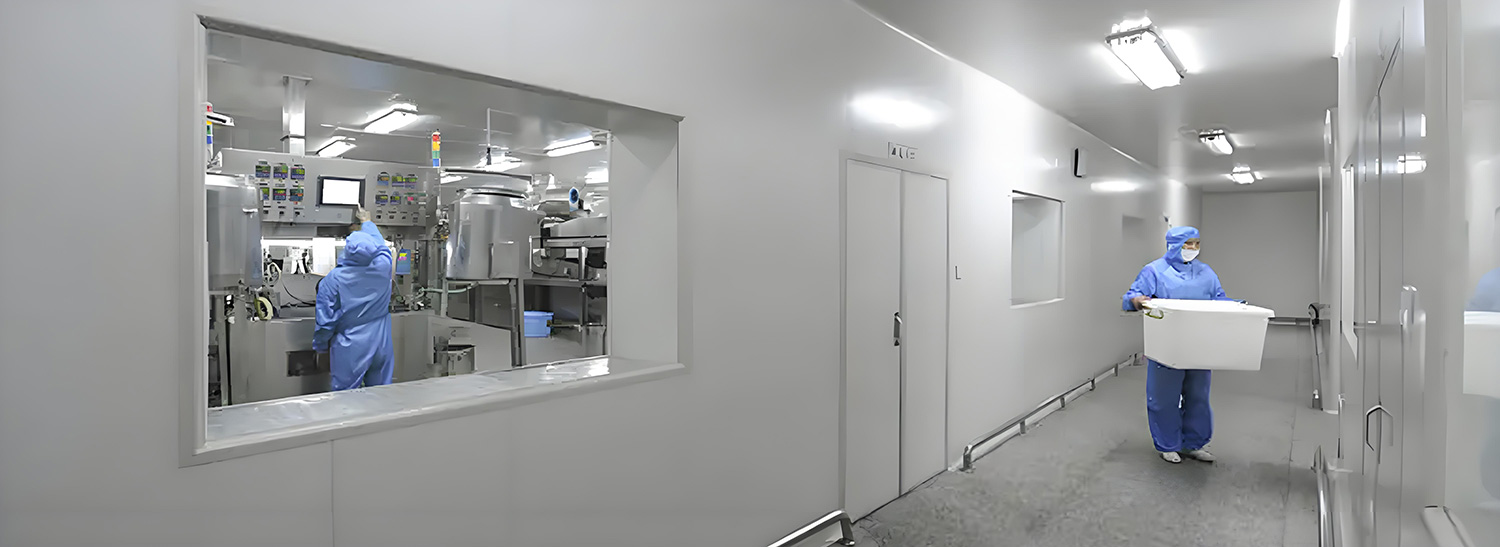
Advanced Manufacturing & Quality Assurance

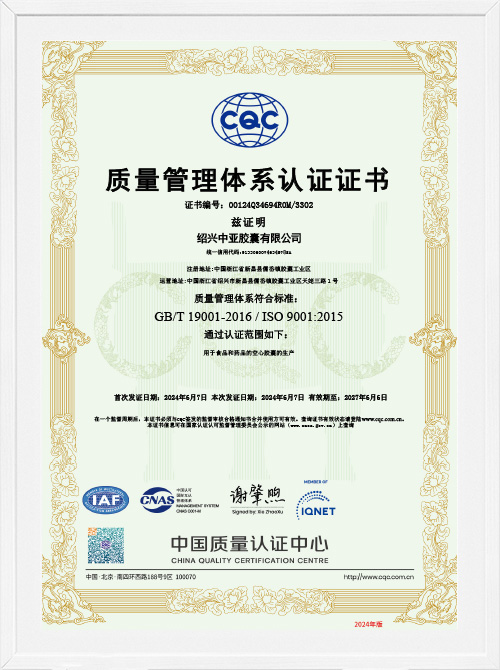
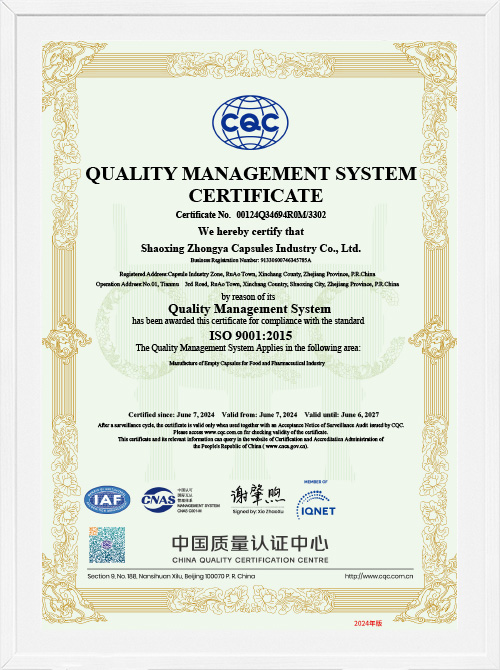
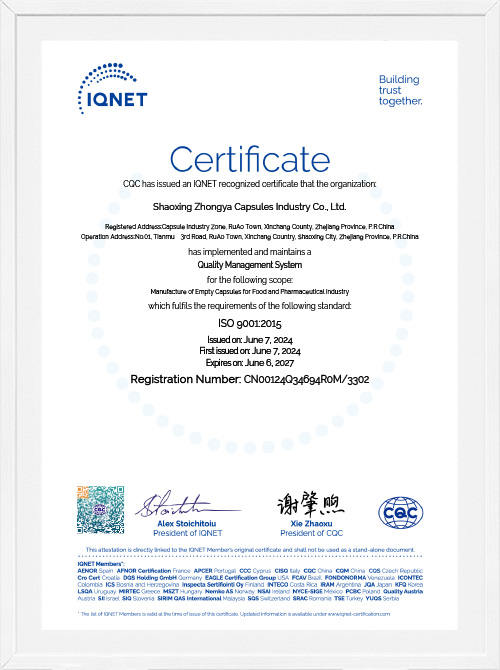
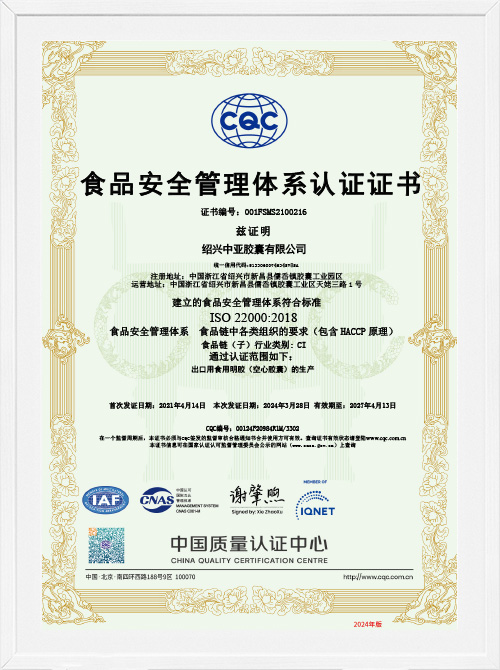
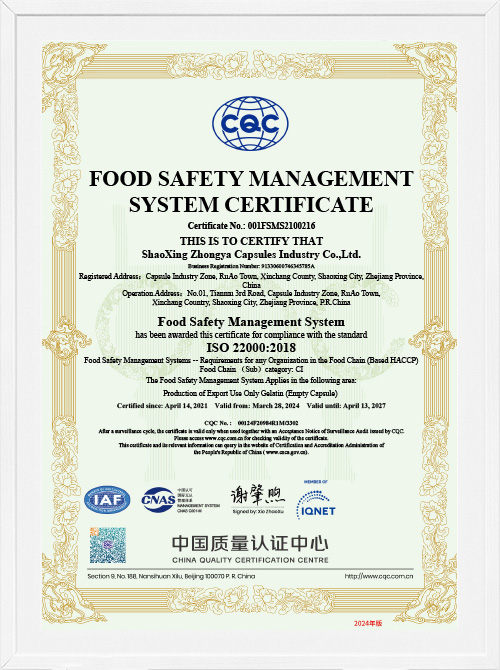
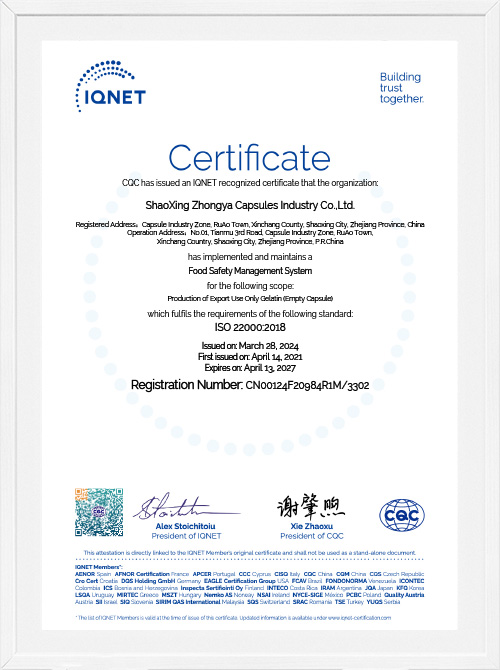
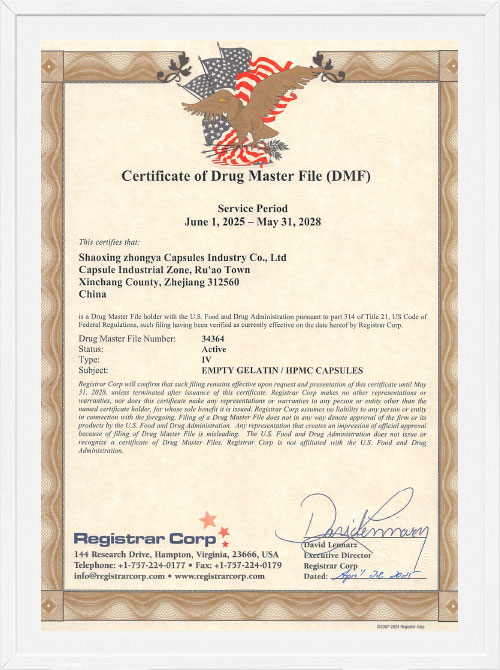
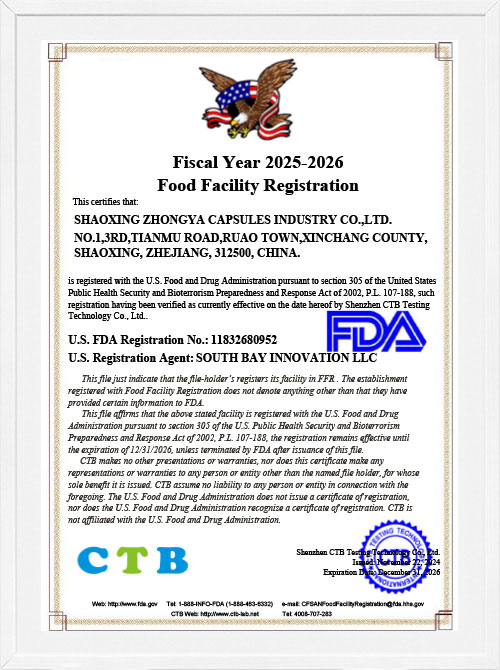
We have invested in cutting-edge production and testing equipment, allowing us to conduct all quality inspections in-house and ensure the standards. Our certifications include: ISO9001 International Quality Management System Certification, ISO22000 (HACCP-based) Food Safety Management System Certification, U.S. FDA Registration Certificate, U.S. DMF (Drug Master File) Registration Certificate, and Halal Certification. These certifications strengthen our global market presence, ensuring compliance with international regulatory standards.

Shaoxing Zhongya Capsule Co., Ltd. Shaoxing Zhongya Capsule Co., Ltd.
  • ISO 9001:2015
  • ISO 9001:2015
  • ISO 9001:2015
  • ISO 22000:2018
  • ISO 22000:2018
  • ISO 22000:2018
  • DMF
  • FDA
/ Latest Updates /
Provide You With The Latest Enterprise and Industry News.

HALAL Capsule Industry Knowledge Extension

Halal Capsules serve as the primary delivery format for many pharmaceutical, nutraceutical, and dietary supplement products sold into Muslim-majority markets, and increasingly among health-conscious consumers who simply prefer religiously compliant sourcing. The category actually spans several product forms: a general purpose HALAL Capsule shell used in mass supplement production sits alongside a fully documented Halal Certificated Empty Capsule intended for brands that need traceable sourcing records for cross-border formulation work. Buyers sourcing capsules today also look closely at shell composition, since a compliant shell has to be built from raw materials that meet halal processing requirements from the earliest stage of the supply chain, not just at final inspection. Because capsule shells sit at the intersection of formulation science and supply chain sourcing, understanding how they are made, customized, and selected has become just as important to a formulator as the active ingredients going inside them.

Gelatin Sourcing and Shell Composition

The raw material stage largely determines whether a capsule shell can be classified as halal at all. Gelatin used in shell production typically comes from bovine or fish sources, and the halal status depends on how the animal was slaughtered and processed before the collagen extraction stage even begins. Fish-derived gelatin is often preferred by buyers who want to avoid bovine sourcing questions entirely, though it can behave differently during encapsulation, generally setting slightly softer at room temperature than bovine-based shells. Blended formulations are also common, where the bloom strength and moisture content are adjusted to match the machinability needed for high-speed filling lines.

Shell moisture content is usually held within a fairly narrow band, since capsules that are too dry become brittle and crack during filling, while shells holding excess moisture can soften or deform under humid storage conditions. Shaoxing Zhongya Capsule Co., Ltd. works within this raw material framework to produce shells intended for pharmaceutical and nutraceutical formulators who need predictable shell behavior batch after batch, regardless of which gelatin source a given order is built on.

Shell Type: General Property Comparison (Illustrative) Halal Sourcing Ease Clarity Moisture Barrier Shell Flexibility Disintegration Speed Fill-Line Speed Bovine gelatin shell Fish gelatin shell

Ratings reflect general, widely observed characteristics of each shell type in encapsulation work and are shown for illustrative comparison only, not lab-tested figures.

Customization Pathways: Color, Printing, and Size

Shaoxing Zhongya Capsule Co., Ltd. approaches capsule customization as three variables that customers can combine independently: color, printing, and size. Color selection affects more than shelf appearance — opaque shells help protect light-sensitive actives from degradation, while clear or translucent shells let brands showcase the powder blend visually inside the capsule. Printing is typically used for batch identification, dosage strength markings, or brand marks directly on the shell surface, which reduces reliance on secondary labeling further down the packaging line. Buyers who request a Halal Certificated Empty Capsule for cross-border formulation work will often start from a standard size before layering on custom color and print combinations once the base formulation is confirmed.

Size Selection Still Comes Down to Fill Volume

Size remains one of the more technical decisions in the process, since fill volume, powder density, and target dosage strength all interact to determine which standard shell size actually fits the formulation.

Standard Capsule Sizes: Approximate Fill Volume 0 mL 1.0 mL Size 4 ~0.20 mL Size 3 ~0.30 mL Size 2 ~0.37 mL Size 1 ~0.50 mL Size 0 ~0.68 mL Size 00 ~0.95 mL

Figures are approximate industry reference values; actual fill volume varies with powder density and tap consistency.

Manufacturing Scale and Global Distribution

Consistent capsule quality at scale depends heavily on how many independent production lines a manufacturer operates, since running several parallel lines allows for tighter batch control and reduces the risk of a single equipment issue disrupting an entire order. With more than 10 automated production lines, Shaoxing Zhongya Capsule Co., Ltd. is positioned to handle both smaller custom orders and larger recurring supply contracts without switching between manual and automated processes mid-run. This production base supports export activity into more than 20 countries and regions, and buyers sourcing Halal Capsules for products ranging from probiotic supplements to herbal extract formulations regularly draw from this same supply base.

Export Regions Served North America South America Europe Central Asia Southeast Asia Australia

Bars represent regions currently served, not a ranking of order volume.

Matching Shell Size to Formulation Needs

Choosing the correct shell size starts with the target fill weight of the active blend, not the other way around. A formulator working with a dense mineral powder will typically need a smaller shell than one working with a light, low-density herbal extract, even when the two products carry a similar dosage strength on the label. This is one of the more common sourcing mistakes among newer supplement brands, who sometimes pick a shell size based on visual preference rather than powder density testing. Running a small trial batch across a few candidate sizes before committing to full production remains the most reliable way to confirm fit, since a Halal certificated empty gelatin capsule shell that is even slightly oversized can lead to inconsistent fill weights across a production run.

  1. Weigh the target powder dose and estimate its tapped density.
  2. Compare the resulting volume against two or three neighboring standard sizes.
  3. Run a small trial fill on each candidate size before locking the production spec.

Frequently Asked Questions

What is the practical difference between bovine and fish gelatin capsules?

The main differences show up in sourcing traceability and shell handling. Fish-derived shells sidestep bovine sourcing questions but can set slightly softer, while bovine-based shells tend to offer more predictable behavior on high-speed filling lines.

Can color and printing be customized on the same order?

Yes. Color and printing are handled as separate customization steps, so a shell color choice does not limit the printing options available for batch codes or brand marks.

How should a formulator pick a starting shell size for a new product?

Start from the target fill weight and estimated powder density rather than a preferred visual size, then confirm the choice with a small trial fill across two or three neighboring sizes.

Do halal capsule shells behave differently during high-speed filling?

Shell behavior on filling equipment is driven more by moisture content and gelatin blend than by halal status itself, though buyers sourcing a Halal Certificated Empty Capsule often request consistent moisture specs across every batch to keep fill-line performance predictable.

If You Are Interested In Our Products, Please Consult Us

If you would like to learn more about our products, please feel free to contact us and we will do our to assist you.

  • I have read and agree to the terms & conditions